
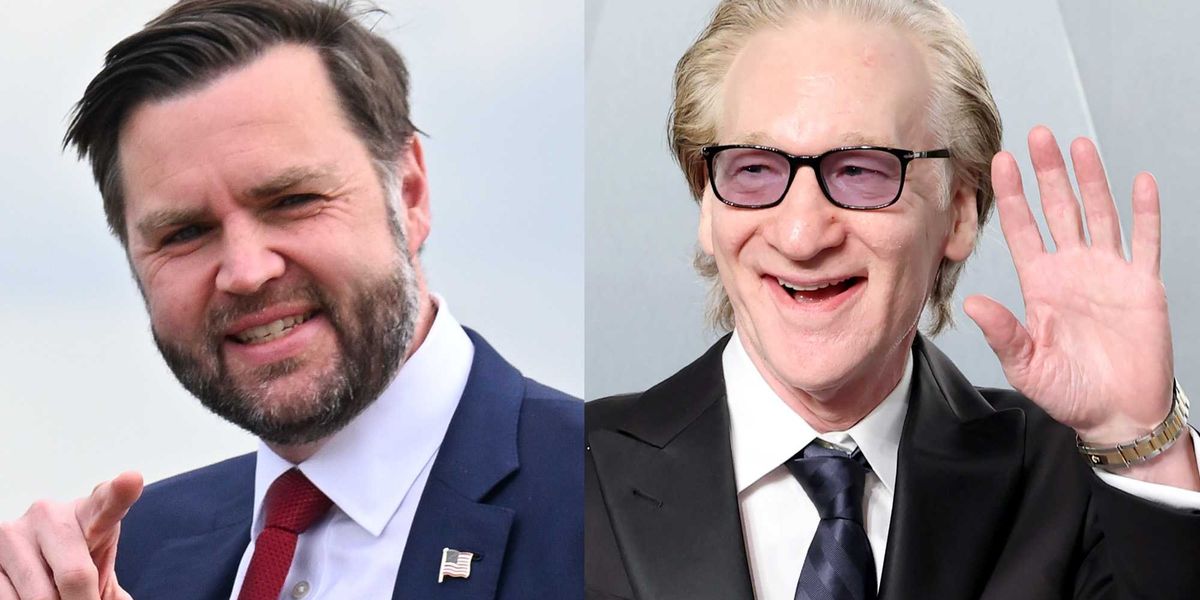
Bill Maher’s latest warning to Democrats landed with a thud and a spark at the same time, because it cut right into the party’s biggest problem: the word “communism” keeps dragging the conversation off a cliff. In his view, Democrats are flirting with a label that voters do not reward, and that habit could haunt them hard in the next election cycle.
Maher is not exactly known for handing out gentle advice. He tends to say the quiet part out loud, and this time he went after the political brand itself, arguing that the party is making it far too easy for opponents to paint them as out of touch, extreme, and more interested in ideological theater than common sense.
The warning matters because elections are not won on vibes alone. If voters start thinking one party is drifting toward socialism or worse, that’s not a minor messaging issue, it becomes a credibility problem, and credibility is the kind of thing that vanishes fast once people stop trusting what they hear.
Maher’s message fits into a much bigger fight over where Democrats are headed. A lot of party leaders want to sound bold and energized, but there is a big difference between sounding passionate and sounding like you are trying to rebuild the country from a pamphlet written by radicals.
That tension is especially loud heading into the midterms, where every mistake gets magnified and every slogan gets replayed until it becomes a liability. Voters are already dealing with inflation, safety concerns, and frustration with political elites, so any whiff of ideological extremism gives Republicans an opening they are more than happy to use.
And Republicans do not need to invent much here. If Democrats keep defending the fringes, the opposition can simply hold up the mirror and let the public decide whether they like what they see. That is why Maher’s warning hit so hard, because it echoed a broader fear that the party is inviting political pain all on its own.
There is also a cultural piece to this, and it is easy to miss if you only watch the cable-news version of the story. Regular voters often do not parse every policy detail, but they absolutely know when a party sounds preachy, disconnected, or obsessed with identity politics instead of fixing real problems.
That is where Democrats keep running into trouble. They can talk about big vision all day long, but if the public hears language that sounds like class warfare or soft-pedaling radical ideas, the whole message gets buried under suspicion and backlash.
Maher’s critique also lands because he comes from the broader left-leaning world, not from a conservative rally. When someone from inside the cultural tent starts saying the tent has gone too far, people notice, and that kind of criticism can be more damaging than anything said by an outside opponent.
For Democrats, this is the kind of moment that calls for restraint, not more ideological posing. The party has enough challenges without spending its energy defending rhetoric that makes swing voters nervous and gives Republicans a clean, simple attack line.
At the same time, the episode shows how much the political conversation has shifted. A comedian and commentator warning Democrats away from the word “communism” would have sounded like a joke a generation ago, but now it feels like a live-wire political argument with real stakes attached to it.
That is the uncomfortable reality staring down the party. If Democrats want to win over skeptical voters, they need to sound grounded, serious, and focused on everyday life, because the public is not looking for a lecture on ideology while the country is still wrestling with basic problems that have not gone away.
