
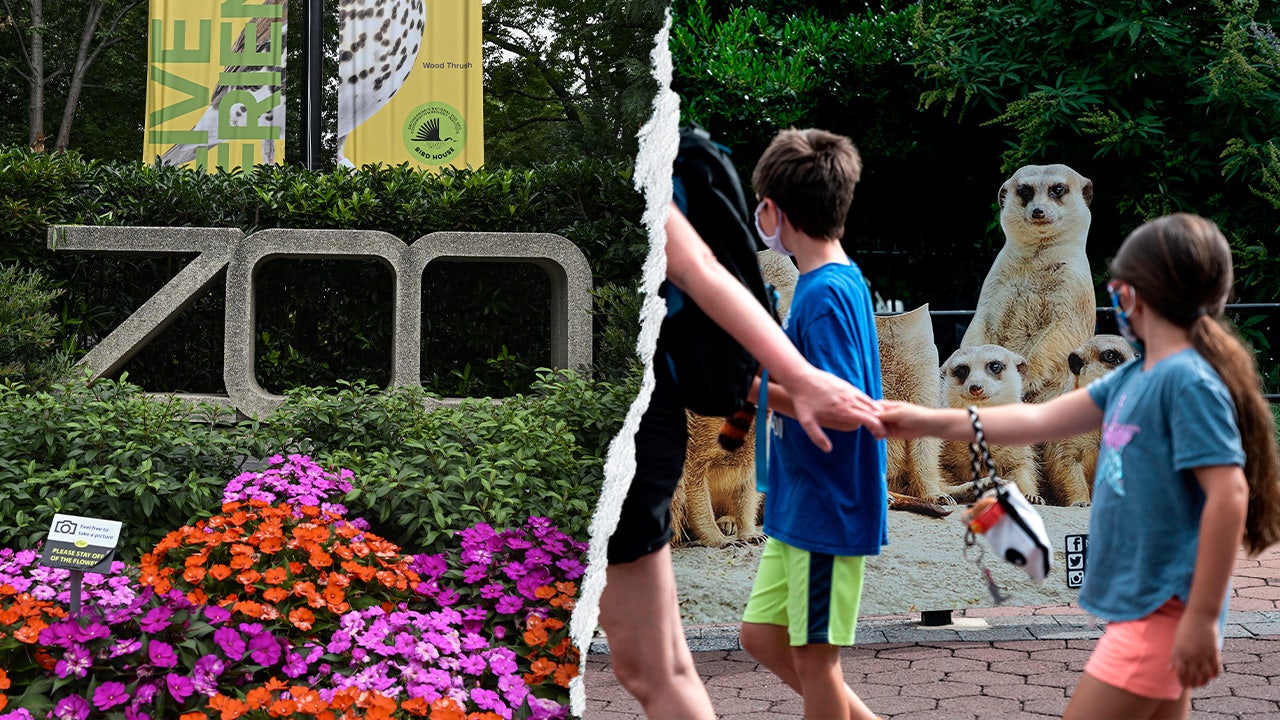
The Smithsonian National Zoo is under fresh scrutiny after a review found its messaging and programming have leaned hard into DEI, climate activism, and identity-driven themes. What should feel like a place for animals, conservation, and family visits instead looks, to critics, like another example of politics creeping into a taxpayer-backed institution.
The zoo sits inside the Smithsonian’s massive research and museum network and welcomes about 2 million visitors a year, so its reach is hardly small. That makes the tone of its public-facing work matter even more, especially when the language starts tying gender equity and civil liberties to climate change.
One 2021 zoo article took that exact route, saying “Gender equity, civil liberties and justice are necessary ingredients for peace and prosperity, but they also have a direct impact on resource use and climate change.” It went further, arguing that “one direct way we can bolster climate action is by addressing inequities in health and education across the globe.”
That kind of framing is not a one-off. A search for “climate change” on the zoo’s website turns up hundreds of results, with content focused on everything from salamanders and coral nurseries to wildfires and vernal pools.
The Smithsonian’s own diversity report from 2023 makes the priorities even clearer. It says, “Diversity and inclusion are integral to all aspects of the Smithsonian Institution’s operations and key components of the Smithsonian Strategic Plan,” and includes multiple pages on zoo-related DEI efforts.
Those efforts include diversity-focused internships, LGBTQ family programming, rainbow-themed animal enrichment, and broader pushes for inclusive language in the zoo and aquarium world. Supporters say that kind of outreach builds a more welcoming profession, but critics see it as mission drift that crowds out plain conservation work.
That concern shows up in the zoo’s annual International Family Equality Day, a free event it says it has hosted since 2018. The celebration has featured animal encounters, keeper talks, games, music, and community activities, and in 2024 it expanded with partner groups tied to the LGBTQ community, along with performances and picnic programming.
Some of that outreach has also included rainbow-colored treats and animal enrichment for the zoo’s residents. Outside groups described the gathering as “Gay Day at the Zoo,” while the zoo used the more polished label International Family Equality Day.
The larger argument from critics is simple. A zoo funded by taxpayers should keep its eyes on conservation, species management, habitat work, and education, not social messaging that leaves visitors feeling lectured or boxed into a political narrative.
Heritage Foundation senior research fellow Jason Hayes said the moment ideology starts steering an institution like this, trouble follows. “In places like the National Zoo, especially a taxpayer-funded organization like the National Zoo, zoos have a primary mission of conservation and species management, habitat management, that kind of thing, and when ideologies, or at least science that is in question, start to take over and really rule the management of an organization like the zoo, then you start to have problems,” he told Fox News Digital.
The zoo’s own records and profiles also show how deeply DEI has been woven into its culture. One advisory board profile says a member’s work includes “diversity, equity and inclusion,” discussions about racism, and expanding opportunities for people of color.
There are also links to broader conservation groups with the same bent. The Association of Zoos and Aquariums says DEI is “embedded in everything we do,” while the International Union for Conservation of Nature has a gender policy calling for inclusive participation across race, sexual orientation, and gender identity.
Even its partnerships abroad reflect that shift. The zoo works with the Zoological Society of London on species recovery, and that group’s FAIRER Conservation program says it uses a “decolonial lens” and aims to embed “justice, equity and inclusion” in conservation work.
That is the tension at the heart of the debate. The zoo still says it is a place where people can experience wildlife and learn about conservation in action, but the paper trail shows an institution eager to fold activism into nearly every corner of its work.
Critics argue that when a zoo starts sounding more like a seminar on identity politics than a home for animals, it loses its center. The real question now is whether the Smithsonian will keep doubling down on these themes or get back to what families expect when they walk through the gates.
