
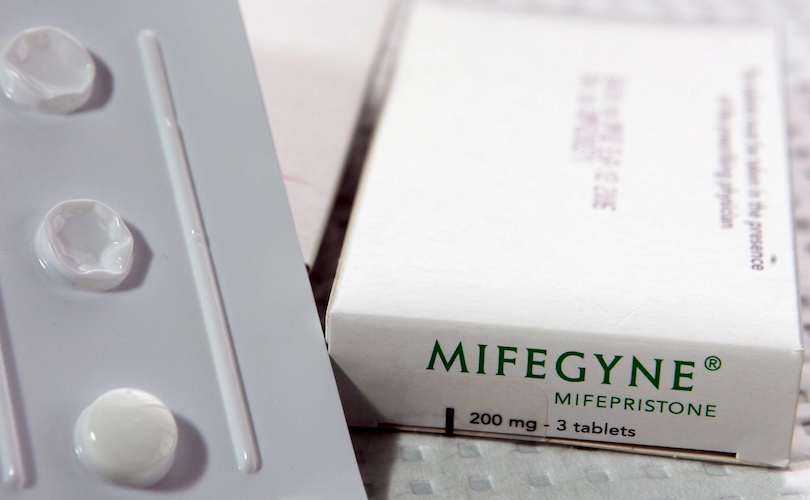
Illinois State University’s purchase of a single abortion pill has put a sharp spotlight on how one state mandate is being handled on campus, and the details suggest the school did only what it had to do. Records show the university moved quickly after a new law took effect, but the response was tiny, bare-bones, and hard to miss for what it lacked. The bigger fight here is not just about one dose of mifepristone, but about how Illinois is forcing colleges to build abortion access into student health services.
Back in August 2025, Gov. JB Pritzker signed HB3709, a law that requires any college health service with a pharmacy to make medication abortion available on campus and to explain how students can get it. The measure also changed the way emergency contraception is defined by stripping out the phrase “approved by the federal Food and Drug Administration.” That kind of language shift may sound technical, but it opens the door wider for abortion-related drugs on campus and makes the state’s direction pretty clear.
According to the records reviewed by The College Fix, Illinois State University bought just one dose of mifepristone about a month after the law was signed. Its posted notice on student health services was equally slim, saying that “referral to a tertiary care facility for students seeking medication abortion is available” and that “on-campus pharmacy fills contraception prescriptions and medication abortion prescriptions for enrolled students” on the Pharmacy page. That is not exactly a robust campus health strategy, and it looks more like a checkbox than a serious program.
The university has not offered much public explanation, at least not in response to questions about how many pills it has on hand, what other abortion-related arrangements it may have made, or what support it offers pregnant students who want another path. That silence matters because it leaves the impression that abortion is being prioritized while prenatal care and practical help are treated like afterthoughts. In fact, previous reporting found that no public universities in Illinois provide prenatal care.
Steve Jacobs of Illinois Right to Life said universities should be focused on educating students and giving them the tools to succeed, not sending the message that abortion is the default answer. He also argued that too many conversations about unexpected pregnancy ignore the real obstacles that push students into feeling trapped. The quote lands hard because it gets to the heart of the issue: no student should feel forced to choose between a degree and a baby.
The fight over abortion pills is bigger than Illinois, too. Thirteen states ban most abortions from conception, and five more stop them at around six weeks, with other states adding their own limits. That patchwork has made mail-order pills a major workaround for the abortion lobby, which sees them as the cleanest way to keep abortion widely available even after Roe v. Wade.
That’s why the numbers keep drawing attention. Guttmacher Institute data cited in recent reporting put 2025 clinical abortions at 1,125,930, with abortion pills playing a major role in that total. Planned Parenthood also reported 434,450 abortions in its latest annual report, a record for the organization and a sign of just how aggressively the industry continues to expand.
Pro-life advocates say the public is also being sold a dangerously rosy picture of chemical abortion. An April 2025 analysis from the Ethics and Public Policy Center concluded that nearly 11 percent of women experienced serious complications such as sepsis, infection, or hemorrhaging after taking mifepristone, based on insurance data. Other research has pointed in the same direction, building a case that the risks are more serious and more common than abortion supporters admit.
Illinois has been one of the most aggressive states in the country when it comes to protecting abortion access and keeping pills available. Pritzker signed a law last June to preserve abortion pill legality even if federal approval changes, celebrated “Abortion Provider Appreciation Day” last year, and later announced a new partnership to expand abortion funding even more. The result is a state that keeps widening the pipeline, while colleges like Illinois State University quietly move in lockstep and students are left to sort out the consequences on their own.
