
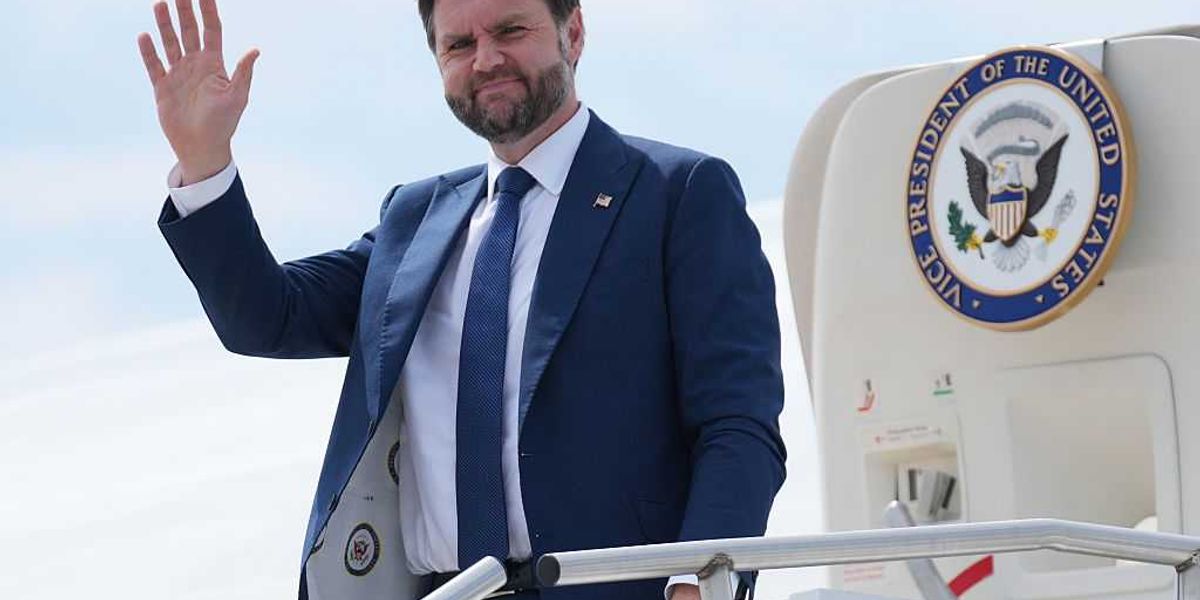
J.D. Vance is walking a trickier road toward 2028 than it may have looked just a short time ago. The Republican vice president still has a powerful platform, but the political lanes around him are changing fast, and that means every move is getting more scrutiny than ever.
The first thing working in his favor is obvious: he is already in the national spotlight, and that matters a lot in presidential politics. Being tied to Donald Trump gives Vance instant relevance, a built-in base, and a ready-made identity inside the Republican Party. That kind of launchpad can save years of grinding work.
But the same Trump connection that boosts him also boxes him in. Vance has to balance loyalty to the movement with the reality that the next race will not be a pure replay of the last one. If he looks too independent, he risks alienating the Trump voters who want continuity. If he looks too dependent, he may struggle to define himself as his own man.
There is also the bigger problem of competition. The Republican field for 2028 is likely to be crowded with ambitious people who know how to read the moment and seize it. Marco Rubio remains a familiar national figure, and that kind of long-term exposure is hard to ignore when party insiders start looking for someone who can win both primaries and the general election.
Then there is the media side of the equation, which can be just as important as campaign strategy. Vance has already drawn attention from influential voices across the conservative ecosystem, including figures like Tucker Carlson and Joe Rogan, who can shape how voters talk about authenticity, foreign policy, and the direction of the party. In modern politics, those conversations matter because they build a candidate’s image long before the first ballot is cast.
At the same time, Vance has to deal with the noisier edges of the online right. When names like Nick Fuentes get dragged into the conversation, the entire discussion shifts from governing to controversy, and that is rarely a good place for a future nominee to be stuck. The challenge is not just getting attention, but getting the right kind of attention.
Foreign policy will also loom large, especially with the Middle East remaining a live issue inside the Republican coalition. Voters in the party are not all looking for the same thing, and that tension can create real headaches for anyone trying to assemble a broad winning coalition. A candidate who sounds too cautious can lose the hawks, while one who sounds too eager for confrontation can create doubts with swing voters.
Vance’s appeal has always rested partly on the idea that he understands the frustrations of ordinary voters better than the polished class in Washington. That message still has punch, especially in a party that likes fighters and distrusts elites. But as the stakes climb, he will need more than attitude. He will need discipline, consistency, and a clear answer to what kind of Republican he wants to be.
The hard truth is that 2028 is not waiting for anyone. Vance can keep building support, sharpen his message, and use his current role to stay visible, but the path ahead is full of rivals, pressure points, and voter expectations that will only get tougher. For now, the race is not about coronation. It is about whether he can turn early promise into something stronger without losing the edge that got him here in the first place.

1 Comment
From GOP Estd ONLY RNC Deep State