
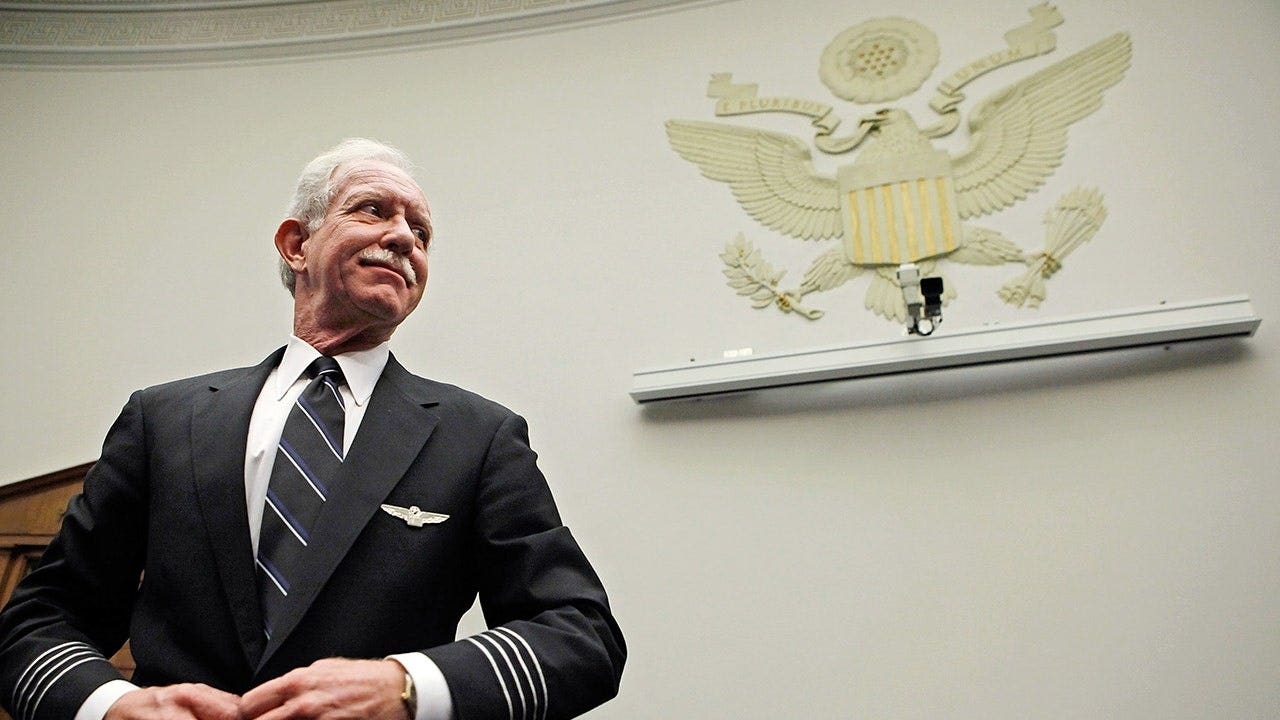
Capt. Chesley “Sully” Sullenberger, the pilot celebrated for the Hudson River landing that saved every life on board Flight 1549, has shared that he is living with early-stage Alzheimer’s disease. The news adds a heavy new chapter to the story of a man long known for calm under pressure, public service, and a kind of steadiness that made him a household name.
Sullenberger said the diagnosis was made in August 2025, and that the signs began showing up in everyday ways, like forgetting names, losing track of stories he had just told, and sleeping less well than before. He described the condition as “early stage,” and the phrasing carried the weight of someone who knows exactly how much a brain can shape a life.
He also spoke about how strange it feels to run into a problem that once seemed far away. For a man known for a near-photographic memory, even small slips in recall stood out, and they became part of what pushed him to seek answers.
The diagnosis quickly drew attention because of who Sullenberger is and what he represents. On Jan. 15, 2009, he safely landed US Airways Flight 1549 on the Hudson River after a bird strike took out both engines, and all 155 people survived. That moment turned him into a symbol of discipline, leadership, and split-second judgment when everything was on the line.
Sullenberger said that his doctor at UCSF Medical Center helped him understand how widespread Alzheimer’s is and how it can touch families across every background. He called it “the unwanted visitor at the door,” a line that captures both the shock of the diagnosis and the way it can arrive without warning.
His wife, Lorrie, said the illness has not changed the core of who he is. She described him as the same steady person he was before and after Flight 1549, and said that same steadiness is helping guide their family now.
That kind of support matters, because Alzheimer’s does not just affect memory. It changes routines, relationships, and the rhythm of ordinary days, which is why families often find themselves learning a new language around patience, planning, and care.
Jeff Skiles, Sullenberger’s first officer on Flight 1549, also responded with admiration and concern. He said Sully has always been larger than life, and expressed hope that the disease will move slowly enough for him to keep building a life he can be proud of.
Medical experts say there may be reasons to watch risk factors more closely in cases like this. Fox News senior medical analyst Dr. Marc Siegel noted that Sullenberger had previously dealt with PTSD after the Miracle on the Hudson, and said trauma can double the risk of Alzheimer’s through changes in brain chemistry, structure, and sleep.
That connection makes the story feel bigger than one diagnosis. It points to the long tail that trauma can leave behind, even in people who appear strong, accomplished, and fully in control from the outside.
Alzheimer’s is the most common form of dementia and affects millions of Americans over 65, according to the Alzheimer’s Association. It slowly damages memory, thinking, and behavior, and while there is no cure, treatments can help ease symptoms and slow the decline for some people.
Doctors also keep stressing the basics because they matter more than people think. Mental activity, physical activity, sleep, blood flow, lower inflammation, and avoiding harmful substances can all play a role in protecting the brain over time.
Dr. Daniel Amen has said Alzheimer’s begins in the brain years, even decades, before symptoms show up, which is why prevention gets talked about so often. His advice centers on staying active, protecting mental health, getting enough rest, and taking brain health seriously long before old age becomes the headline.
Sullenberger has spent years speaking up for safety, training, and responsibility in aviation, and now he says this new chapter has changed what service looks like for him. Instead of stepping back, he wants to talk openly so other families dealing with Alzheimer’s do not feel like they have to hide in silence.
He said courage helped save everyone on Flight 1549, and now he sees courage as the tool needed for this fight too. It is a different kind of test, but the same steady voice is still there, still pushing forward, still refusing to let fear set the pace.
