
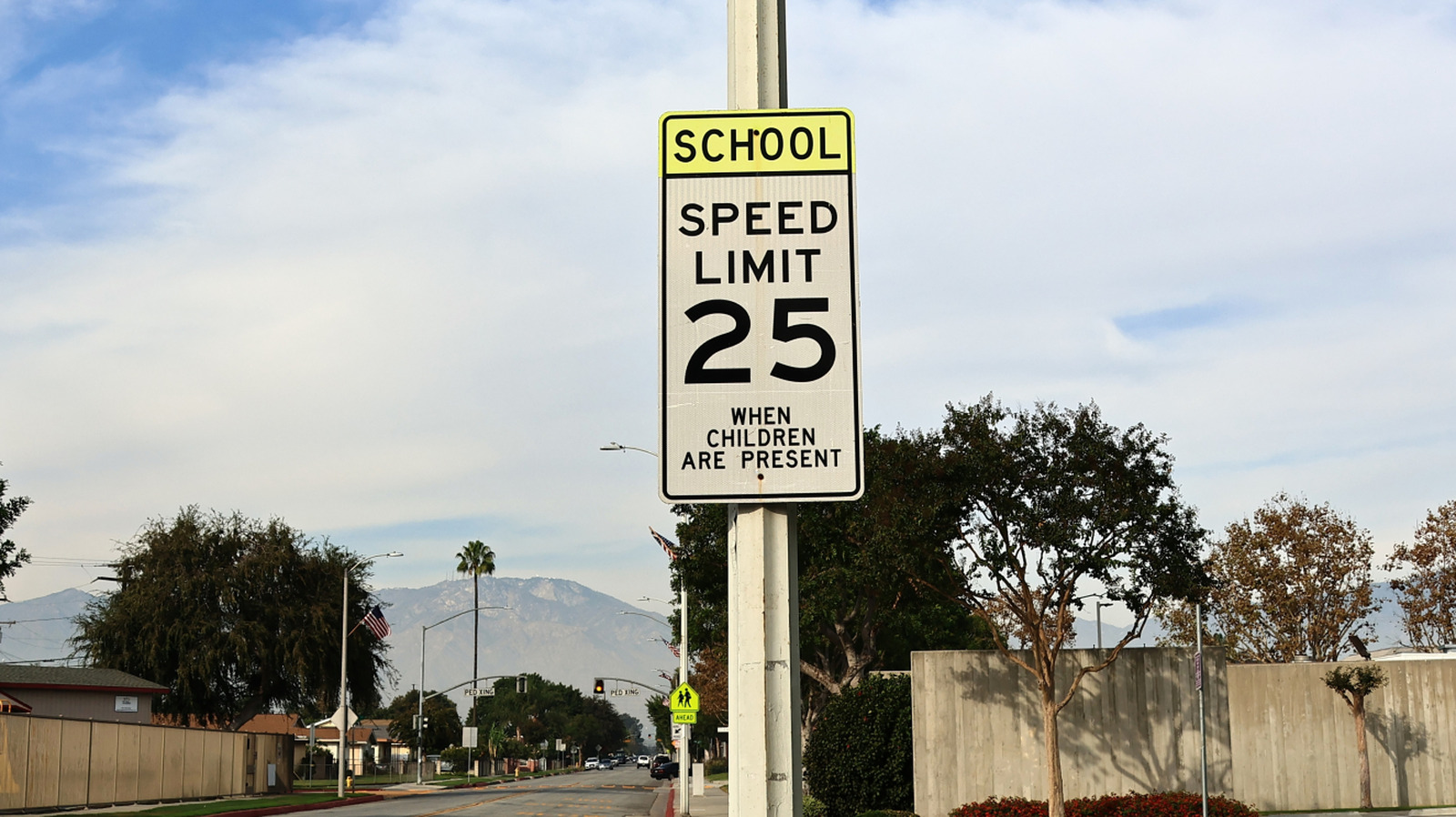
Prima facie speed limits sound like legal jargon, but they change how police tickets are treated and what defenses are available. This piece breaks down what prima facie means, how it differs from absolute limits, why states vary, what you can use in court, and practical steps to avoid trouble while driving. Read on to understand the real-world effects of this one legal distinction so you can drive smarter and respond better if you get stopped.
Prima facie speed limits mean that driving above the posted number is treated as initial evidence of negligence, not an automatic conviction. The officer can still write a ticket, but you get the chance to show that your speed was reasonable under the actual conditions. In contrast, absolute speed limits leave little room for that kind of defense; if you were over the limit, you broke the law regardless of circumstances.
States handle these rules differently, and even within a state the approach can shift by road type or local ordinance. Some places use absolute limits on interstates and prima facie rules on neighborhood streets, while others apply one system statewide. That variation affects everything from how strictly officers enforce limits to the paperwork you’ll see when you’re cited.
Practically, getting a ticket under a prima facie system means the charge is more like an allegation you can rebut. You might show the court that weather, visibility, road surface, or a sudden hazard made your speed reasonable at that moment. Officers often rely on radar readings and their observations, but those things can be contested with testimony or other evidence at a hearing.
Effective defenses in a prima facie case center on context. Witness statements, dashcam footage, photos of the scene, and weather reports can all help prove that your actions were safe given the circumstances. Even a strong explanation about reacting to another driver’s emergency can change how a judge views the incident, so gather anything that supports the reality you faced.
How you proceed after a ticket depends on the stakes and the quality of evidence. If the radar was poorly calibrated or the officer’s view was blocked, fighting the ticket could make sense. For low-stakes fines, a plea deal or traffic school might be the faster, cheaper route, but keep in mind those choices can carry insurance consequences.
On the prevention side, small habits cut risk more than dramatic changes. Pay attention to posted signs, slow down in mixed-use areas, and use cruise control on long stretches to avoid drift. When conditions deteriorate, err on the side of caution—courts notice whether drivers kept speed appropriate for visibility and surface, not just whether they matched the sign.
Insurance and driving records react differently depending on how you resolve the ticket. Convictions can add points and raise premiums, while some jurisdictions allow diversion programs or reduced charges in exchange for defensive driving. Before you accept a plea, check how the outcome will affect your record and wallet so you’re not surprised later.
If you’re stopped, a quick mental checklist helps: note conditions, take photos if safe, and decide whether to contest based on the evidence. Knowing whether your state treats the posted limit as prima facie or absolute makes that decision much clearer. When in doubt, consult a local attorney who understands how your courts view speed cases and can advise you on the best way forward.
