
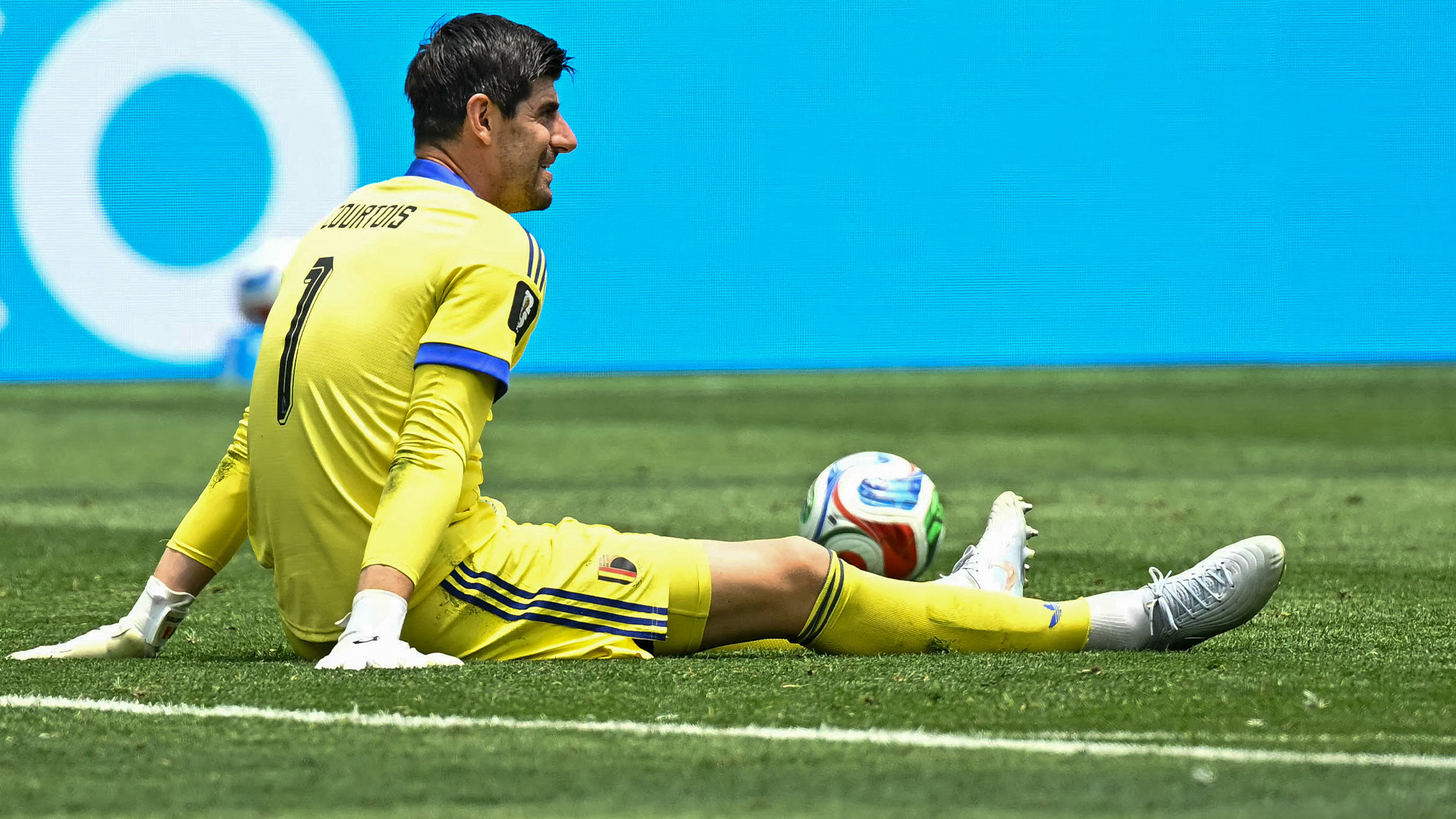
Belgium’s veteran goalkeeper Thibaut Courtois was forced off the field during the match against Spain with an injury, leaving fans and coaches scrambling for answers and immediate adjustments. The substitution changed the dynamic of the game and raised questions about his availability for upcoming fixtures. This piece examines what happened, the immediate fallout, and what to expect next for the national team.
The moment Courtois left was abrupt enough to grab attention beyond the stadium. One second he was organizing the backline, the next he was receiving treatment before making way for the substitute. That kind of interruption always amplifies nerves for any defense, and this instance was no different.
Belgium’s backline had to recalibrate instantly with a new presence behind them. Communication patterns between keeper and defenders are built over months of practice and minutes on the pitch, so a midgame change forces players to adapt on the fly. The substitute had to settle quickly and the team’s tactical shape was tested under fresh pressure.
From a roster standpoint, losing a starting keeper even temporarily complicates selection decisions moving forward. Coaches weigh short-term needs against long-term fitness, and national team windows are tight with little margin for error. That reality makes medical updates and scan results crucial in the hours after a match like this.
Curtains sometimes fall on players at inconvenient moments, and management has to be practical. Sports medicine teams will run through the standard battery of tests to determine severity and recovery timeline. For a squad with tournament ambitions, those timelines can dictate training loads, rotation, and risk assessments.
For supporters, the immediate reaction blends concern with speculation. Social channels fill fast with theories, second-by-second replays, and hot takes, but the reliable details come from official medical bulletins. Until then, managers and staff usually keep commentary tight, focusing on facts rather than speculation.
On the field, the substitute was tasked with steadying the ship without disrupting the team’s momentum. That kind of expectation is steep in high-stakes international games, and substitutes often become the unsung stabilizers in moments like these. Their performance can be decisive in whether a team holds shape or unravels.
Club-level implications are secondary at the moment but never far from anyone’s mind. Clubs and national teams have ongoing dialogues about player workloads and rehabilitation, especially when a leading name is involved. How quickly Courtois returns to full training will be watched closely by both sets of coaches and medical staff.
Beyond immediate logistics, there’s a leadership vacuum to consider when a veteran keeper is sidelined. Courtois brings not just shot-stopping but organizational authority and calming influence, and losing that can subtly alter how a team approaches high-pressure phases. Younger defenders are tested in ways that accelerate development but also expose vulnerabilities.
Rehabilitation protocols today are methodical and evidence-based, aiming to balance recovery speed with long-term resilience. Expect a measured approach: scans, tailored therapy, and a phased return to full training. Fans should prepare for updates that come in stages rather than a single definitive prognosis.
As the team waits for medical confirmation and a clearer picture of the timeline, the focus will be on adaptability and depth. Coaches must plan for next matches while protecting the player’s long-term health. The coming days will show how the squad reshuffles itself and whether Courtois can return to commanding the goal or will need a longer recovery window.
