
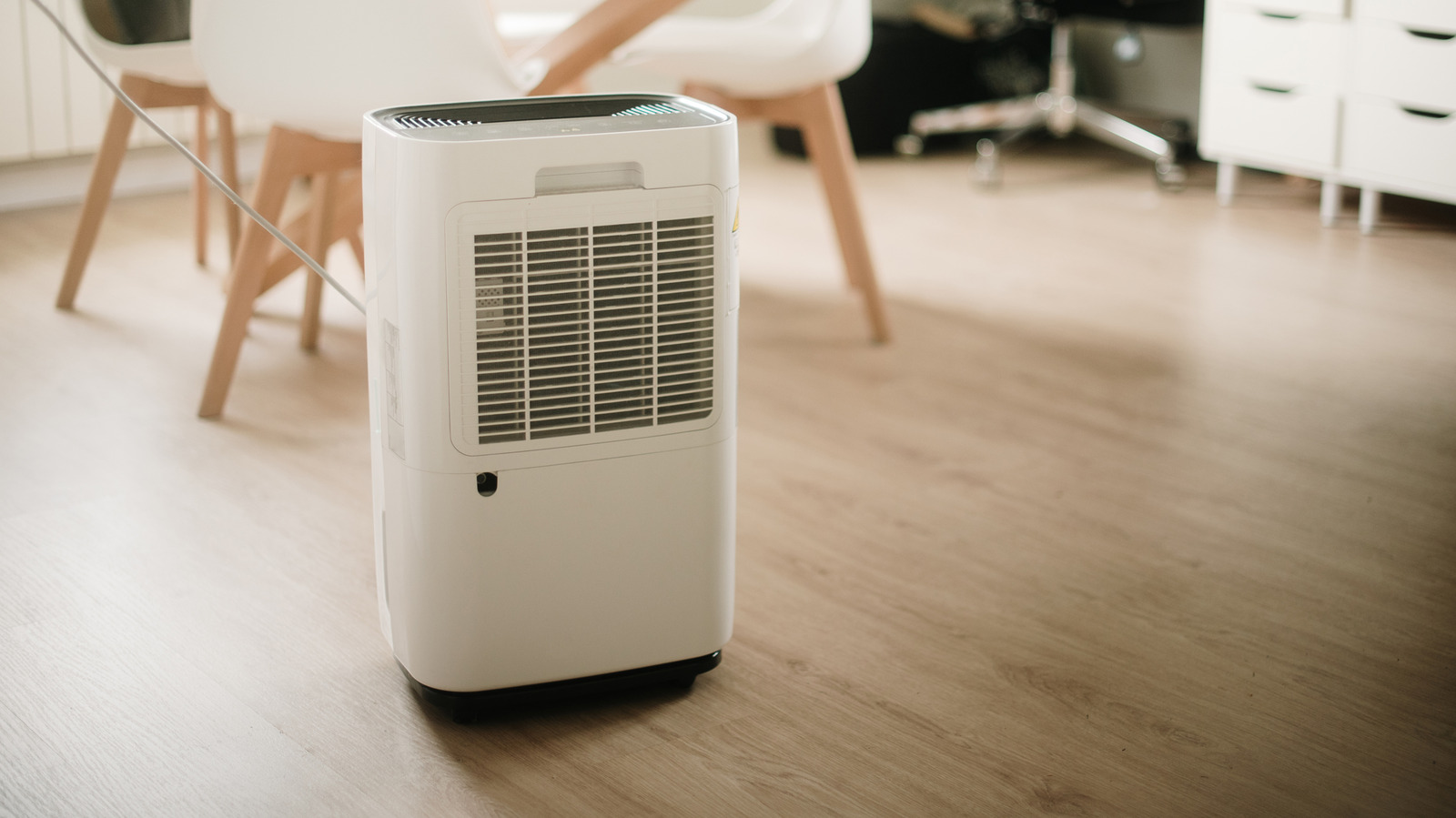
I’ll explain how portable cooling and dehumidifying units work, outline their limits, walk through common causes of stubborn stickiness, describe maintenance and running costs, and give clear signs when a standalone unit won’t cut it.
Portable units that both cool and pull moisture from the air promise a simple fix: cooler air and less clamminess. In reality, these machines balance two jobs at once, and that juggling act creates tradeoffs you need to know about. They can be great at spot treatment, but their success depends on several real-world factors.
Mechanically, a combo portable unit cools by moving warm air across cold coils, which condenses moisture and drains it away or stores it in a tank. Some models route warm exhaust through a window kit while others vent internally, and how they handle condensate varies a lot. The headline numbers—BTU for cooling and pints per day for moisture removal—matter, but they don’t tell the whole story.
Capacity is the main limiter: a unit sized for a bedroom won’t tame a large, sun-soaked living room or an open-plan basement. Dehumidifiers are rated by how many pints of water they can extract in 24 hours under standard conditions, and real-world performance drops in cooler rooms. High humidity plus heat makes these units work hardest, and if they run constantly they can struggle to keep up.
Placement and ventilation change everything. A unit trapped in a corner, blocked by furniture, or sitting too close to a heat source will perform poorly. Portable air conditioners need a way to dump heat outside—without that exhaust, they just recirculate warmed moisture. Likewise, dehumidifiers need good airflow to capture humid air efficiently, so room layout and circulation matter as much as the machine.
Often the problem isn’t the unit at all but the environment: open windows, crowded indoor drying of clothes, nearby shower or cooking steam, houseplants, or hidden leaks can overwhelm any plug-in appliance. Building issues like poor insulation, missing vapor barriers, or rising damp will keep humidity high no matter how many gadgets you buy. A portable unit can be part of the fix, but it won’t solve structural moisture problems.
Maintenance and user habits also shape outcomes. Tanks need emptying unless a continuous drain is attached, filters require regular cleaning, and coils benefit from occasional inspection to avoid mold and odors. Some folks turn units on and off and wonder why humidity spikes again; these appliances often need steady operation during peak humidity hours to stabilize conditions. Expect some hands-on work if you want reliable results.
There’s an energy and noise cost to consider. Running a combo unit all day in a humid climate adds to your electric bill, and many portable systems are louder than built-in HVAC or whole-house dehumidifiers. If you’re sensitive to noise or want lower long-term running costs, a dedicated dehumidifier or an integrated HVAC solution may be a better investment. Budget models can get the job done but usually at the expense of efficiency and comfort.
When will a portable unit be enough? For a single, moderately sized bedroom, a small basement office, or seasonal sticky spells, a well-sized unit often does the trick. They’re excellent for quick fixes, renters, or rooms that don’t justify a permanent upgrade. Pairing one with simple steps like using exhaust fans, improving ventilation, and controlling moisture sources can keep a space comfortable without a big remodel.
When it won’t be enough is just as clear: widespread humidity throughout the house, persistent mold or damp patches, or moisture tied to the structure call for more aggressive solutions. Whole-house dehumidifiers, HVAC upgrades, addressing leaks, or improving insulation are the right moves for chronic issues. In those scenarios, a single portable machine is only a stopgap.
Start by measuring with a hygrometer so you know the problem you’re chasing, then match the machine to the room and use it alongside sensible fixes like fans, sealing leaks, and controlling indoor moisture sources. With the right expectations and a bit of upkeep, a portable unit can be a solid tool—but don’t expect it to be a miracle cure for systemic moisture problems.
