
Earth is ringed by tens of thousands of human-made objects, from functioning communications platforms to silent scraps of metal, and some of those objects have been circling our planet since the very beginning of the Space Age. This piece looks at why a few of those machines have endured for decades, which early satellites are still aloft, and what their lingering presence tells us about the history and future of near-Earth orbit. Expect a mix of surprising longevity, basic orbital physics, and the practical headaches that come with so many long-lived relics overhead.
When Sputnik 1 blasted off in 1957 it announced the start of a new era, and within months a small fleet of experimental satellites followed. Most of those first attempts either burned up or fell back within years, but a handful were placed into higher, quieter orbits where atmospheric drag is minimal. Those higher paths turned otherwise short-lived missions into multi-decade survivors simply by keeping them above the denser layers of the atmosphere.
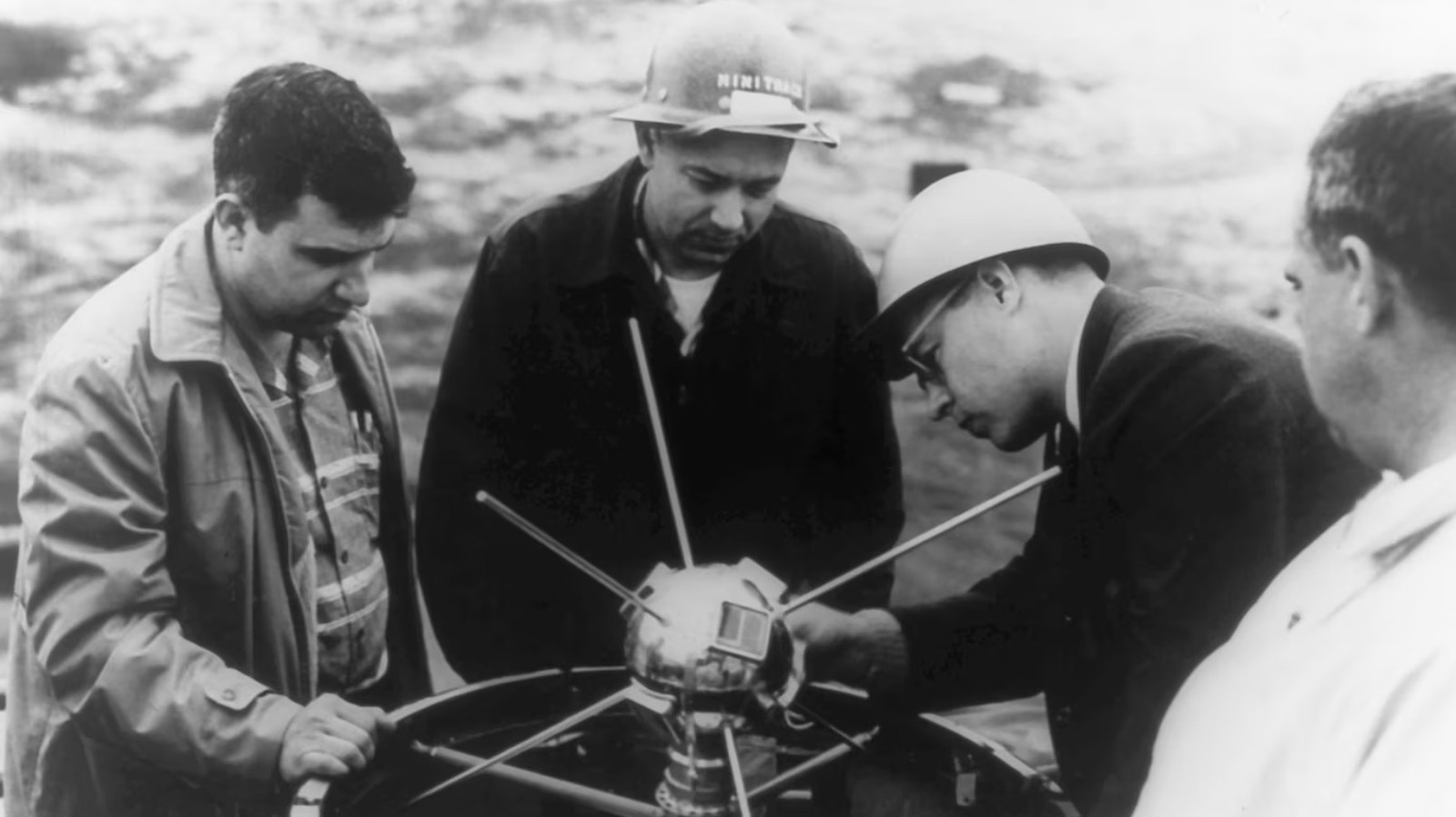
Vanguard 1, launched in 1958, is the famous example: it stopped transmitting long ago but remains in orbit today, making it the oldest human-made object still circling Earth. That tiny spacecraft was meant to test launch systems and gather geophysical data, and by sheer luck its orbit was high enough to keep it aloft for generations. Its continued presence is a reminder that mission planners in the 1950s were building experiments that would outlast their creators and the governments that launched them.
Longevity in orbit is mostly about altitude and size. Low altitudes experience enough residual atmosphere to pull objects down over years or decades, while higher orbits can leave items practically permanent on human timescales. Small satellites and fragments can still be nudged by solar activity and perturbations, but large, stable bodies in medium-high orbits stick around, accumulating into a cluttered environment that complicates modern operations.
That clutter matters. With tens of thousands of trackable objects and many more pieces too small to see, space traffic management has become routine for agencies and companies alike. Satellites have to perform collision avoidance maneuvers, and debris clouds from accidental breakups can create long-term hazards. The more long-lived junk we leave up there, the more likely we are to face cascading collisions that make portions of orbit unsafe for years.
Those early satellites also delivered real science worth preserving. Vanguard 1 and a few peers helped refine our knowledge of Earth’s shape and the upper atmosphere, giving scientists baseline data that still matters for models today. Even after instruments die, the footprints those missions left in orbit and in scientific records continue to inform contemporary research and engineering decisions.
Policy and engineering responses have followed. Modern satellites increasingly carry deorbit plans, propulsion systems for controlled reentry, or are placed in graveyard orbits to reduce collision risk. International guidelines encourage responsible end-of-life behavior, but compliance varies and older objects obviously have no such safeguards. The legacy of early launches is now a practical motivator for better design and international cooperation.
Tracking is central to all of this. Radar networks, telescopes, and commercial operators monitor the skies to predict conjunctions and protect valuable assets. That awareness lets operators dodge trouble and maintain service, but it can’t remove the decades-old relics that still drift along their assigned lanes. Those relics are both history and hazard: visible proof of human ingenuity and a continuing reminder that activity in orbit has long-term consequences.
What started as a handful of daring probes has become a complex environment where past missions and future plans intersect every day. The oldest satellites teach us about durability, about how small decisions decades ago echo now, and about why stewardship of near-Earth space matters. As launches accelerate, the lessons of those early, long-lived satellites will only grow more relevant for engineers, policymakers, and anyone who relies on orbiting technology.
