
The Ukraine war remains central even as conflicts flare elsewhere, and recent moves from the Trump administration suggest a cleaner, tougher posture toward Moscow that mixes pressure with practical support for allies and battlefield partners.
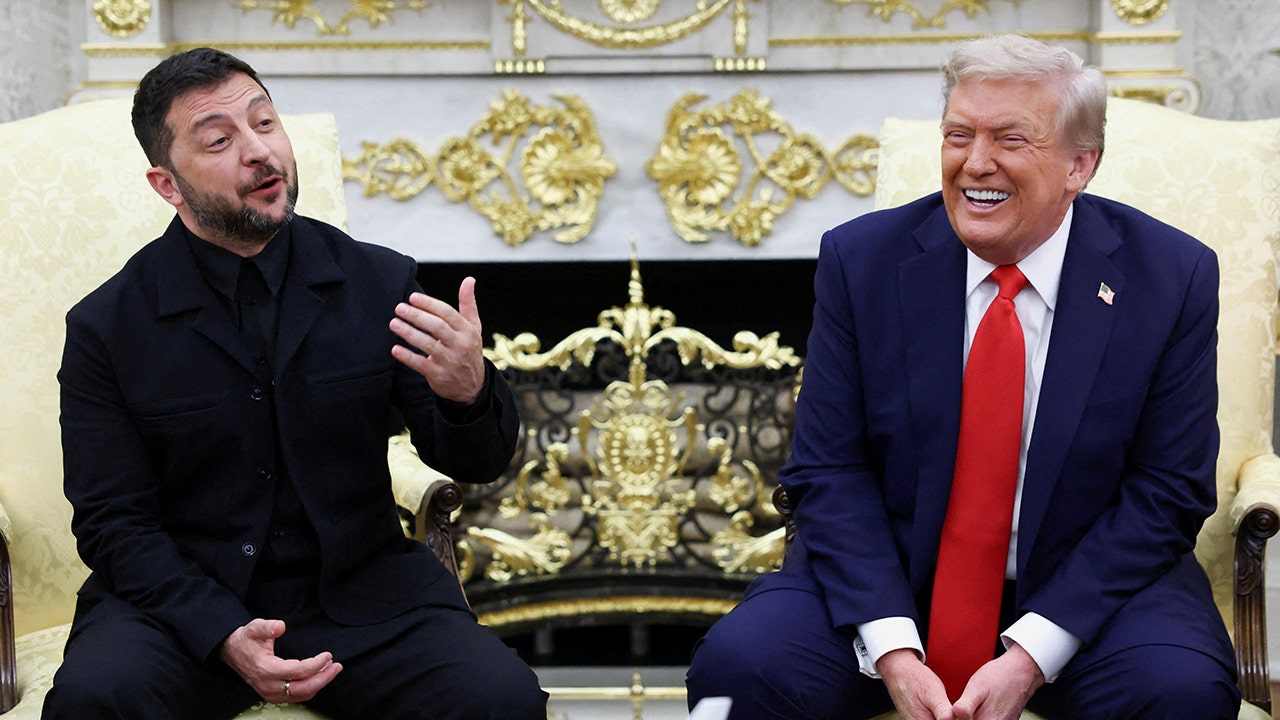
President Trump’s face-to-face with Volodymyr Zelenskyy at the G7 felt different in tone and result. Trump said, “Russia needs to make a deal.” That sentence alone signals a willingness to push for a negotiated end while keeping military and economic pressure on Moscow.
There are concrete shifts behind the scenes, and one is clear: Ukraine’s battlefield momentum matters. Kyiv’s progress and offers to help defend Gulf states against Shahed drones highlight Ukraine’s modern capabilities and its value as a partner in countering the China-Russia-North Korea-Iran axis. That practical utility makes Ukraine an appealing ally for an administration that prizes winners and payoff over endless speeches.
Capable partners deserve consistent backing, and Republican instincts favor strength that produces results. Senator Rubio labeled Russia’s invasion a “strategic disaster,” and U.S. envoy Dan Negrea told the United Nations, “Russia’s invasion of Ukraine has been a strategic disaster” and “Moscow cannot achieve its goals on the battlefield.” Those blunt assessments underline a consensus: Russia is struggling and should be pushed to the table, not coddled.
The correct U.S. response blends deterrence and support. Deterring Putin means reinforcing NATO’s eastern flank so threats to allies don’t translate into cutbacks in weapons and assistance. Europeans buying American arms only makes sense if Washington remains a reliable backer and supplier, not a wavering partner.
Pulling troops out of Europe as a political rebuke undermines that reliability. Recent reports of planned cuts to strategic bombers, fighters, drones, submarines and warships assigned to NATO are alarming if true, because they signal retreat at a time when cohesion matters most. Weakening NATO invites miscalculation from Moscow and gives other adversaries a green light to test U.S. resolve elsewhere.
There are better ways to rebalance the burden without abandoning allies, and Republicans should champion them. Shifting forces to NATO’s front lines in Poland, Romania and the Baltics would strengthen deterrence where it counts. At the same time, keeping troop levels credible in Germany and maintaining deployments and weapons programs reassures friends and keeps options open.
History shows that empty threats by Russia need clear counters. The Pentagon’s cancellation of some deployments and troop reductions risks rewarding coercion rather than deterring it. Moving forward, the administration should reverse actions that pull vital capabilities away from Europe and instead prioritize deployments that prevent conflict escalation.
One practical, stabilizing move would be to ensure allies can purchase American systems and that the U.S. is willing to send those weapons where needed. Deploying long-range conventional strike capabilities and ensuring allies receive Tomahawk-style systems would balance Russia’s growing capabilities and reduce the temptation for diplomatic capitulation. If the United States wants allies to buy American, it must be a steady seller and a steady partner.
Trump’s record is mixed but shows moments of decisive posture, including moves that signaled seriousness to Moscow. He rightly has argued the value of peace through strength and told NATO, “It’s not a rip-off, and we’re here to help them,” when he pushed for burden sharing. That message should be reinforced, not undercut, as we head into a critical NATO summit year.
Congress and the administration also need to be united about deterrence, and lawmakers from both parties have pushed back on precipitous withdrawals. “Germany has stepped up in response to President Trump’s call for greater burden sharing, significantly increasing defense spending and providing seamless access, basing, and overflight for U.S. forces in support of Operation Epic Fury.” That kind of partnership deserves continued U.S. presence and support.
Relying on European allies is smart, but only if Europe feels secure enough to keep supplying Ukraine and investing in defense. Pulling back now risks unraveling that cooperation and handing momentum back to Moscow. A Republican approach should be clear: back strong allies, press for results on the battlefield, and keep deterrence robust so diplomatic solutions come from a position of strength.
