
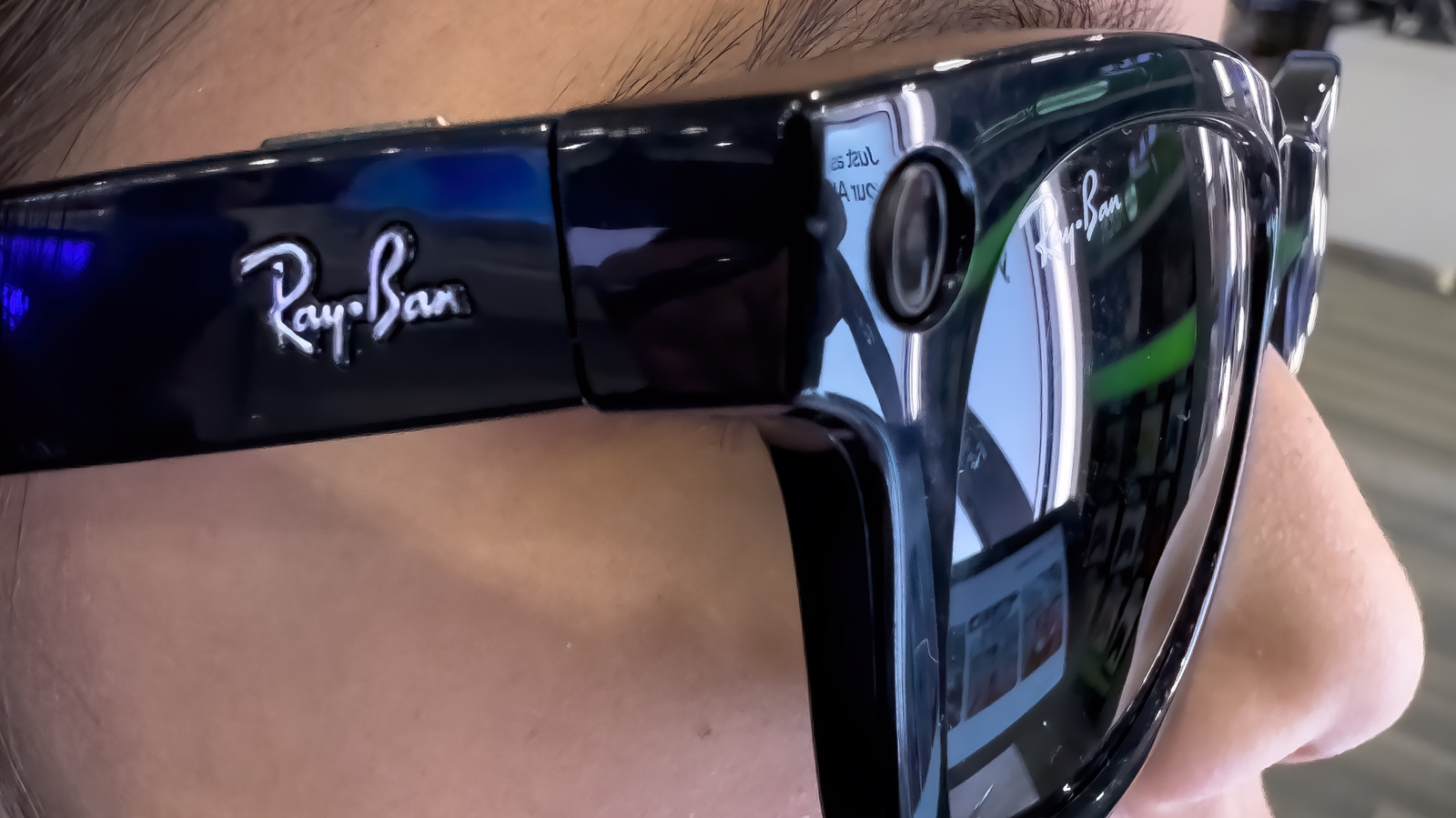
New privacy legislation targets covert recording by wearable devices and demands clear, visible signals when audio or video capture is active, shifting the balance back toward personal privacy without banning the tech outright.
People are fed up with hidden cameras and secret audio in places that should feel private, and this law responds to that anger with simple, enforceable rules. It insists on visible indicators or explicit consent for any continuous recording, making disguise and stealth techniques illegal. The goal is to restore trust in public spaces so citizens can go about their day without constant suspicion.
The bill treats privacy like property, not a luxury, and Republicans frame it as protecting individual rights against intrusive technology. It does not attack innovation; instead it sets a clear line that you do not get to erode other people’s dignity with hidden lenses. Tech that helps people should not be the same tech used to spy on them without notice.
Manufacturers would be required to design wearables with unmistakable recording indicators, and sellers would face penalties if devices mask or obscure those signals. That creates market incentives for honest products and punishes those who build gadgets for secrecy. The policy leans on common-sense accountability rather than heavy-handed bans that choke innovation.
Civil penalties let victims seek remedies when someone crosses the line, while criminal charges reserve punishment for deliberate, harmful invasions of privacy. That two-track approach protects ordinary citizens and businesses without turning every misstep into a felony. It recognizes the difference between an honest mistake and a calculated effort to weaponize surveillance.
Businesses and venues get stronger tools to protect patrons and employees, including clear policies and enforceable no-recording rules backed by law. Private property owners can demand that wearables be turned off or that visible indicators be on while on their premises. This gives shopkeepers and event organizers practical means to keep their spaces safe and respectful.
Law enforcement still has a role, but it must operate within rules that preserve privacy where it matters most, especially around victims and vulnerable people. Warrants and clear legal thresholds remain the right way to get recordings in investigations, not secret tech shoved into public life. That keeps both security and liberty in play.
Tech companies will need to make a choice: build devices that respect people or lose customers and face legal exposure. Market pressures plus sensible legal standards steer design toward transparency and away from gimmicks designed to hide. Consumers will reward responsible manufacturers and abandon brands that profit from secrecy.
Critics warn about enforcement headaches and gray areas, which is fair, but lawmakers can write precise definitions for what counts as a visible recording signal and what constitutes covert operation. Clear statutory language and a focus on purposeful concealment narrow loopholes and reduce legal confusion. When statutes are tight, courts and businesses have a workable framework to follow.
The legislation also aims to limit government overreach by keeping rules straightforward and technology-neutral, which appeals to conservative values of limited legislation and predictable regulation. By avoiding a patchwork of micro-rules tailored to specific gadgets, the law leaves room for innovation while setting firm boundaries on personal privacy. That balance fits a Republican preference for protecting citizens without micromanaging industry.
Implementation will test political resolve, but the central idea is simple: people deserve to know when they are being recorded, and the state has a role in defending that expectation. This law prioritizes consent, visibility, and accountability, without demonizing wearable tech as a whole. It returns control to individuals and private property owners, and it makes stealth surveillance an unacceptable cost of modern life.
