
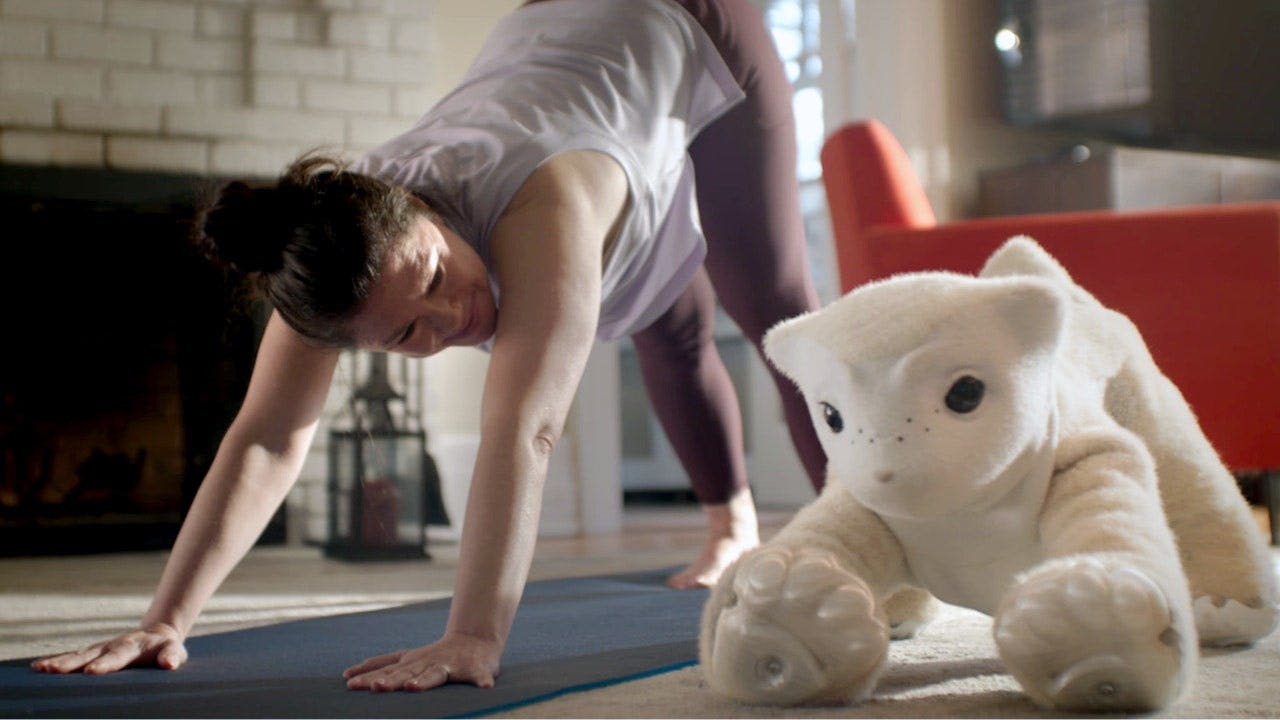
Familiar Machines & Magic has unveiled Familiar, a pet-inspired home robot that aims to be more companion than appliance, prompting fresh questions about privacy, usefulness and whether a nonverbal, emotionally aware machine belongs in our living rooms.
Colin Angle, the cofounder of iRobot, is behind this project and he frames it as a shift in how we think about robots. “The next era of robotics is not just about dexterity or humanoid form. It is about machines that can build and sustain human connection,” Angle said. That ambition steers Familiar away from vacuums and toward sustained companionship.
Familiar is described as a four-legged device wrapped in a soft, touch-sensitive coat. It has cameras, microphones and speakers and runs AI on board so it can react in real time to expressions, tone and movement without sending everything to the cloud. The company says the robot learns routines and builds memory so interactions can feel more natural over time.
Instead of acting like a tool, the robot behaves like a pet: it might tilt its head when you smile, nuzzle when you seem stressed or wag a tail when you get excited. Those gestures are meant to encourage subtle, nonverbal communication that doesn’t require a constant stream of chatter. The first version does not speak, which the makers argue makes it less intrusive and more intuitive.
That approach marks a clear break from most home robots, which have focused on chores like vacuuming, security patrols or video calls. Familiar aims to slot into daily life by nudging habits and offering a calm presence, not by performing single tasks. The goal is to support things like movement, screen-free play for kids or a quiet figure to vent to without judgment.
Because it builds a picture of your day, Familiar can use small physical cues to remind or warn. A gentle paw tap could prompt you to stand up. A wary shiver could alert you to an unsafe heat source. Those signals rely on learned patterns rather than spoken commands and could be less disruptive in shared spaces.
Privacy is central to how the company pitches the product: the core AI and data reportedly live on the device, and sharing with external servers is something the owner controls. That local-first setup is sensible on paper, but buyers should demand clear policies on what is recorded, how long it is stored and how data can be erased. Real-world behavior and transparent controls will determine whether users feel safe inviting one into their homes.
There is also a history to consider. Earlier social robots generated buzz but struggled to stay relevant after novelty faded, so building lasting value is a major hurdle. Colin Angle’s involvement gives this effort credibility because he has experience turning consumer robotics into sustainable products. Still, long-term engagement depends on whether Familiar continuously earns its place in daily life.
Potential users include people who want low-key support without adding screens, parents hoping to steer children toward active play and older adults who could use reminders and gentle social contact. Those use cases are promising, but they also demand rigorous testing for safety, mobility and reliability in busy homes. The robot must navigate obstacles, avoid hazards and handle real-world unpredictability.
Familiar Machines & Magic has not announced a price or a release date, and the reveal is clearly an early glimpse rather than a commercial launch. The hard questions remain: will it move safely through cluttered rooms, will people still interact with it after novelty wears off, and will privacy controls be clear and enforceable? Answers will shape whether this idea becomes practical or stays a curiosity.
The concept shifts the conversation about home robots from chores to emotional support, which is a tougher promise to fulfill. If the company can balance usefulness, privacy and safety while creating a device that genuinely enhances routines, Familiar could point toward a new role for robots at home. For now, it’s an intriguing first act that raises as many questions as it does possibilities.
