
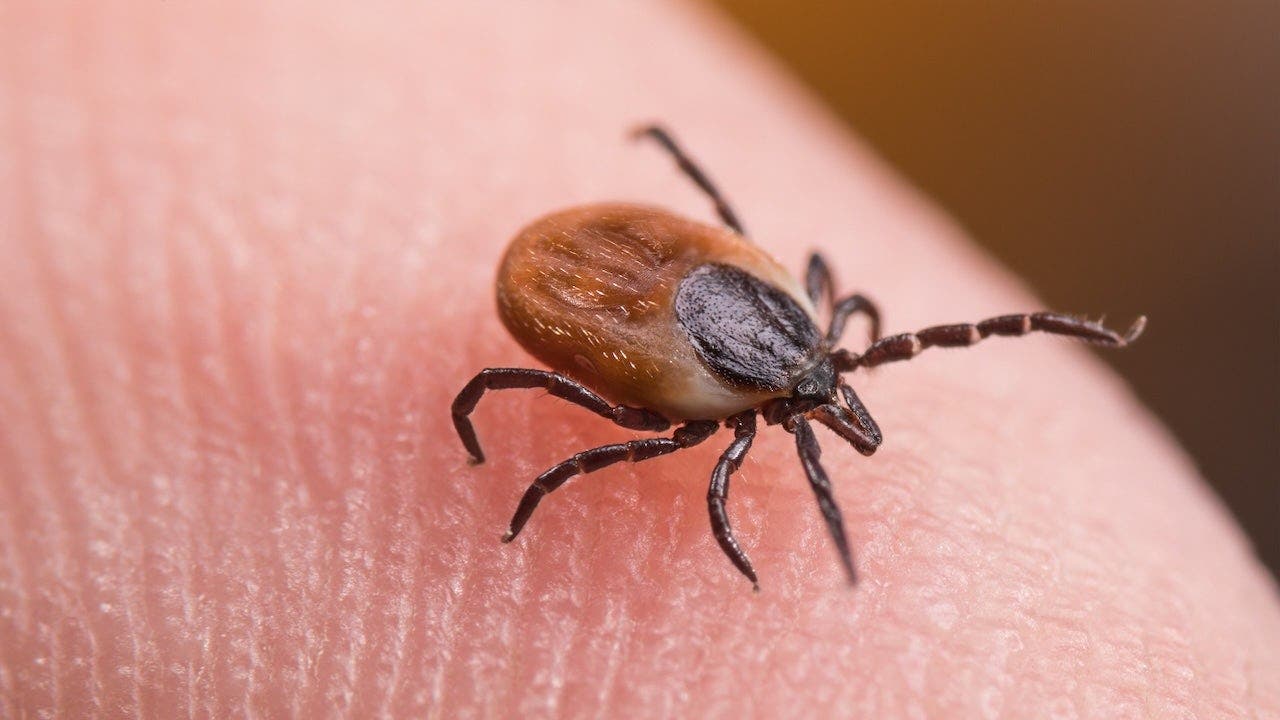
Triage centers and emergency rooms are seeing a surge in tick bite visits not seen in years, driven by expanding tick ranges, changing weather patterns and more people moving into tick habitat. Recent CDC monitoring flagged April rates well above the seasonal average, and clinicians are warning that Lyme and other tick-borne illnesses are on the rise across broader parts of the country. This piece lays out what the data show, where risks appear to be climbing, the illnesses involved and why prevention matters now more than ever.
CDC data from the Tick Bite Tracker show a sharp jump in tick bite–related ER visits, with roughly 71 visits per 100,000 ER encounters in April 2026 versus a seasonal average near 30 per 100,000. Young children under 10 and older adults between 70 and 79 are among the groups with the highest visit rates, reflecting both exposure patterns and vulnerability. Those spikes are prompting public health officials to reinforce awareness about how quickly a bite can turn serious if a disease is transmitted.
“Over the past three decades, the geographic range of the blacklegged tick has expanded significantly, and with it, the risk of Lyme disease and other Ixodes-transmitted infections,” Dr. Steven Goldberg, a family medicine physician, said. He pointed to regions like the Ohio River Valley where Lyme cases have climbed dramatically, suggesting a meeting of Northeastern and Upper Midwestern tick populations. States farther south and west are also reporting more ticks and more infections than they used to.
“The lone star tick is also expanding its range northward beyond its traditional stronghold in the Southeast, which means diseases like ehrlichiosis and alpha-gal syndrome are appearing in regions where clinicians may not yet be thinking about them,” he warned. That expansion alters the mix of pathogens doctors must consider when a patient arrives with fever, rash or muscle aches. It also complicates diagnosis in places that previously had little experience with those infections.
“Warmer, wetter conditions allow ticks to survive in habitats that previously would have been too cold,” said Dr. Suraj Saggar, chief of infectious disease at Holy Name Medical Center. “Milder winters also extend the lifespan of both ticks and the animals they feed on, accelerating tick reproduction and shortening their life cycles.” Those climate effects, combined with shifts in land use, are reshaping where ticks can thrive and how often people encounter them.
Human encroachment into wooded and grassy areas, plus reforestation and recovering deer populations, are part of the puzzle. “The recovery and expansion of white-tailed deer populations — critical hosts for adult blacklegged ticks — has been a major driver,” Goldberg added. Small mammals like white-footed mice, which harbor the Lyme bacterium, also help sustain the tick life cycle and disease transmission.
Lyme disease remains the most common illness spread by ticks, and cases have risen markedly over the past two decades. “Lyme disease cases alone have increased roughly two- to threefold over the past 20 years,” Saggar said. An estimated hundreds of thousands of Americans are diagnosed and treated for Lyme each year, and other infections such as anaplasmosis, ehrlichiosis and babesiosis are also appearing with some regularity.
“Another growing concern is alpha-gal syndrome, a condition in which a (lone star) tick bite triggers a serious allergic reaction to red meat,” Saggar said. In rare instances people have experienced life-threatening anaphylaxis after developing this delayed allergy. Ticks can also carry viruses like Powassan, which tends to cause far more severe neurologic disease than typical bacterial tick infections.
“Powassan virus disease is arguably the most concerning emerging tick-borne infection,” said Goldberg, who is also chief medical officer at HealthTrack. Unlike Lyme, Powassan can sometimes be transmitted very quickly after a tick attaches, and infections can lead to encephalitis with significant fatality and long-term neurologic damage in survivors. That speed of transmission makes rapid tick checks and removal vitally important.
Symptoms of tick-borne illness can be nonspecific: fever, chills, fatigue, headaches, muscle aches and joint pain, and sometimes the erythema migrans bull’s-eye rash seen in Lyme. “Because testing can sometimes be falsely negative early in the disease process, doctors may treat patients based on symptoms and exposure history rather than waiting for laboratory confirmation,” Saggar noted. If you develop symptoms after a known tick bite or after time in tick-prone areas, seek medical attention without delay.
There are currently no licensed vaccines in the U.S. for most tick-borne diseases, so prevention is the primary defense. “The longer a tick is attached, the higher the risk of disease transmission — for Lyme disease, transmission generally requires at least 36 hours of attachment,” Goldberg said. “The Powassan virus can be transmitted much more quickly.” Regular tick checks, protective clothing, repellents and prompt removal remain the simplest, most effective steps people can take.
