
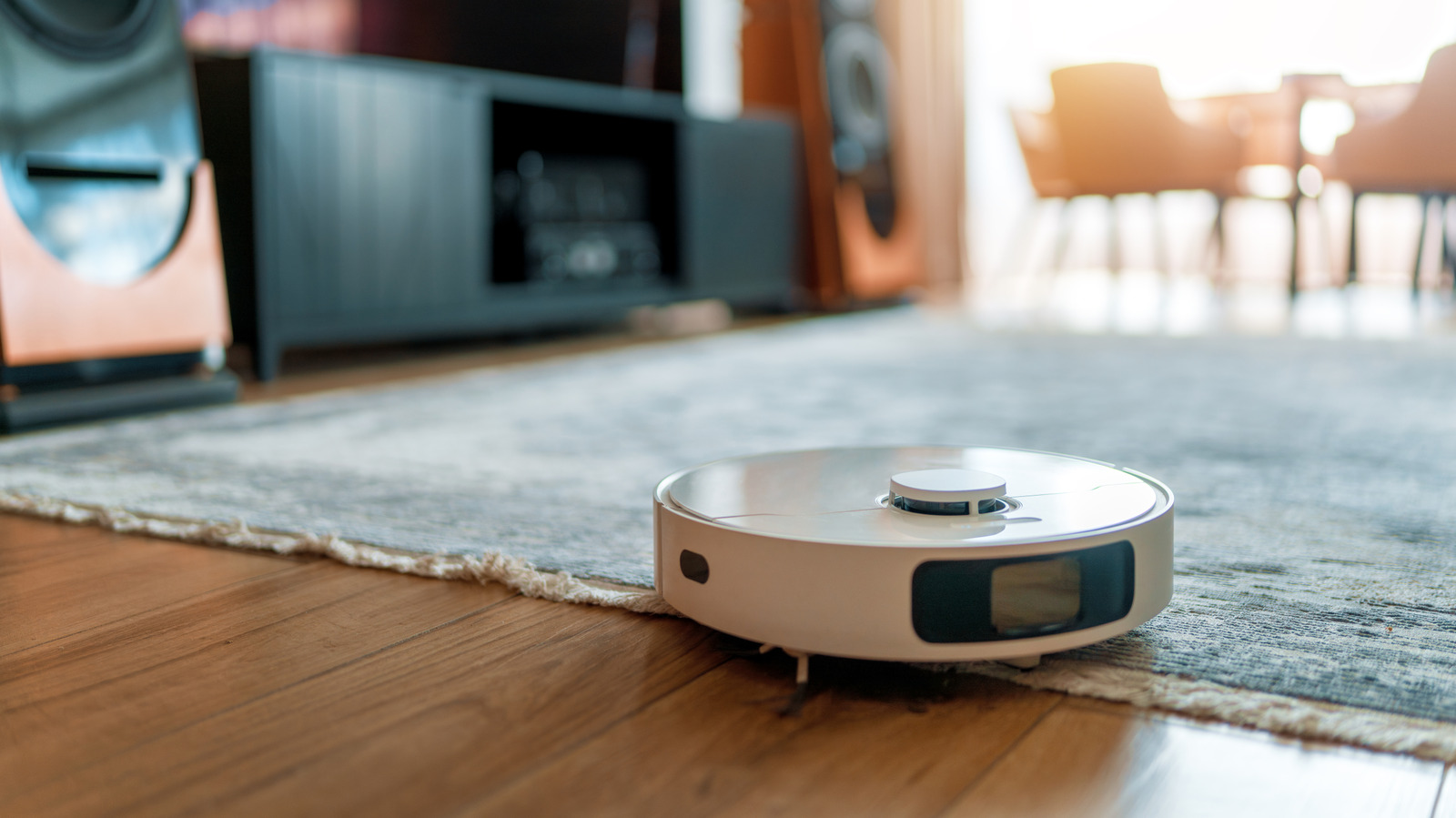
Robot vacuums and mopping robots are meant to take chores off your plate, but how long they actually last depends on a few predictable factors like build quality, usage, maintenance, and the parts that wear out fastest.
Most robot vacuums will do a solid job for several years if you treat them well, but lifespan can swing wildly between budget and premium models. Cheaper units often start to show wear within one to three years, while higher-end machines can stay useful for five to seven years or longer with regular care. Battery health, brush wear, and motor strain are the usual culprits that set the clock ticking.
The battery is the single biggest determinant of long-term performance because it degrades with every charge cycle. Replacement batteries are available for many popular models, and swapping one in can give an old robot a new lease on life. Still, replacing a battery is only worthwhile if the rest of the unit is in reasonable shape and replacement parts are affordable.
Brushes, filters, and belts suffer constant abrasion and dust exposure, so they need periodic swap-outs to keep suction and cleaning quality high. Those consumables are inexpensive compared to the robot itself, and staying on top of replacements prevents strain on the motor. Skipping small maintenance tasks tends to create bigger problems later, so a little attention goes a long way toward extending service life.
Mopping robots add extra wear considerations because water and cleaning solutions introduce corrosion and clogging risks. Tanks, pumps, and mop pads need careful upkeep; leaving water sitting in a reservoir or using harsh chemicals can shorten component life. For mixed vacuum-and-mop units, expect maintenance to be a bit more involved than with vacuum-only bots.
How you use the robot matters as much as which model you buy. Continuous heavy usage in a large home with lots of pet hair or debris will wear parts faster than light weekly sessions in a tidy apartment. Running the robot on rough or cluttered floors forces motors and wheels to work harder, so clearing cords and small objects before each run reduces stress and extends the robot’s usable life.
> “Robot vacuums are here to clean your floors for you, even including mopping, but you might be wondering how long they last. Here’s what we know.”
Software updates and mapping features can keep older hardware feeling modern, but they can also reveal limitations as apps and cloud services evolve. Some manufacturers stop providing updates after a few years, which may limit navigation accuracy or integration with new smart-home systems. If staying current with features matters, prioritize brands known for long-term software support.
Repairability is a practical consideration that many buyers overlook until something fails. Models with modular parts, straightforward screws, and a healthy aftermarket for replacement components are easier and cheaper to fix. Conversely, sealed units or those that require proprietary parts can become expensive or impossible to repair, nudging you toward replacement sooner.
Warranties and customer support can defray the cost of early failures, so check terms before you buy. A solid warranty covering the motor and electronics for at least a year provides useful protection, and extended plans or manufacturer support can save money if a major component fails. Keep receipts and register the device so you can take full advantage of coverage if needed.
Routine care is simple and effective: empty the dustbin after every run, clean brushes and wheels weekly, replace filters on the schedule recommended by the manufacturer, and run a maintenance cycle on mopping tanks after use. Regular checks for blockages and wear will catch issues early and prevent secondary damage. These small habits often double a robot’s useful life.
Deciding when to replace rather than repair comes down to cost, performance, and desired features. If repairs exceed half the price of a new machine or the robot can no longer meet your needs in mapping or cleaning power, replacement is sensible. Otherwise, targeted repairs and battery swaps can keep a trusted helper running for years.
Buying smart means balancing price against expected lifetime costs for batteries and consumables, and planning for maintenance from day one. A slightly pricier unit with good support and replacement parts can be cheaper over several years than the cheapest option. With a bit of care and realistic expectations, a robot vacuum or mopping robot can become a dependable household partner rather than a short-lived gadget.
