The American Accountability Foundation has urged the Justice Department to open a formal probe into ties between top Biden administration officials and Microsoft, alleging a pattern of leniency on major cyber failures followed by cushy jobs at the company. The claim centers on multiple foreign intrusions into Microsoft’s systems that harmed federal agencies, plus a revolving-door pattern of officials later joining Microsoft in influential roles. This piece lays out the allegations, the key names involved, the incidents cited, and the watchdog’s call for investigation.
The core charge is straightforward: senior officials who oversaw or reviewed cybersecurity failures involving Microsoft later landed lucrative roles with the firm. That sequence raises questions about whether enforcement was softer than it should have been and whether public duty gave way to future private-sector gain. The American Accountability Foundation frames this as the kind of conduct targeted by federal anti-fraud initiatives.
Microsoft endured a string of high-profile intrusions between 2019 and 2023 that did direct damage to U.S. government operations. The AAF highlights that those breaches “penetrated the National Nuclear Security Administration and the Departments of Treasury, State, Commerce, and Justice, as well as the National Security Council and numerous other federal agencies” and “resulted in the theft of tens of thousands of government emails, including correspondence from the U.S. Ambassador to China, the Secretary of Commerce,” and other senior officials. That is not the kind of incident the public expects to be shrugged off.
Some attacks, like SolarWinds, reportedly leaned on vulnerabilities tied to Microsoft technologies, and critics say the company delayed fixes while pursuing big federal contracts. Microsoft publicly pushed back, with former company president Brad Smith telling Congress that “there was no vulnerability in any Microsoft product or service that was exploited” in the SolarWinds breach. That dispute over factual responsibility is central to whether regulators had grounds to press harder.
The Cyber Safety Review Board faulted Microsoft in another case, finding a cascade of errors that enabled the Storm-0558 breach attributed to Beijing-linked hackers. Even after that rebuke, Microsoft avoided major penalties, and the AAF argues that other contractors faced harsher treatment for lesser lapses. That contrast feeds the narrative of unequal enforcement and the need for a thorough, independent inquiry.
Names matter in this story because they show the revolving door in action. The watchdog flagged several officials who moved from government cyber roles into significant positions at Microsoft within months of public reports or regulatory activity. The concern is not simply job changes but whether those transitions followed unusually restrained oversight or missed enforcement opportunities while those officials still served in government.
- Lisa Monaco
- Bryan Vorndran
- Jerry Davis
- Robert Joyce
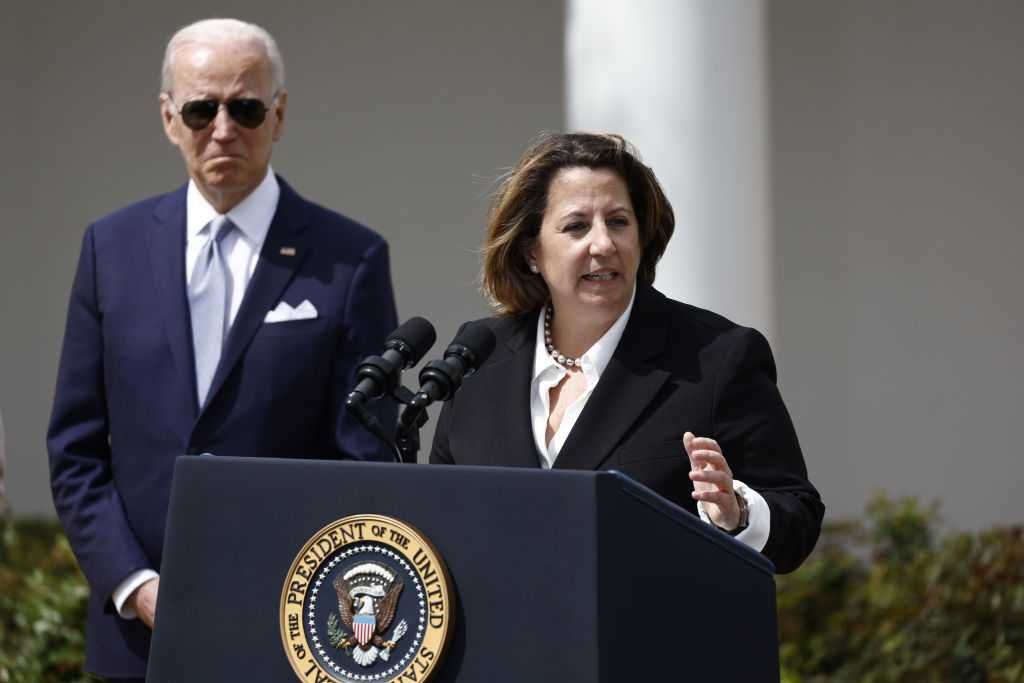
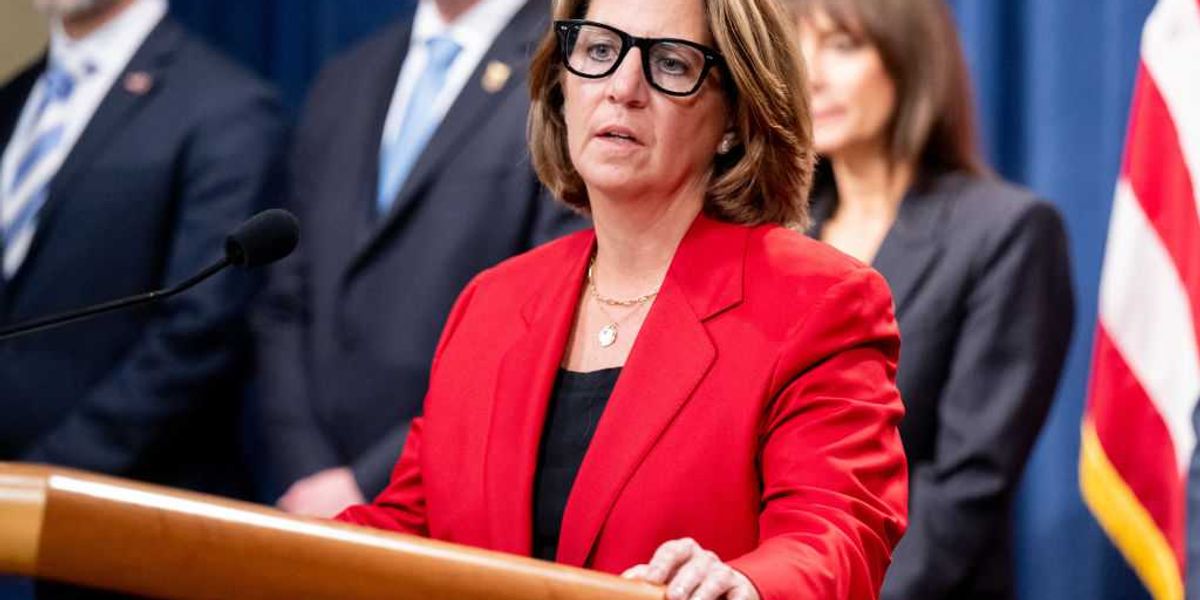
Lisa Monaco, the former deputy attorney general, drew particular scrutiny. Critics pointed to her cyber fraud initiative and note that while it targeted contractors for misrepresenting cybersecurity, Microsoft was never pursued with comparable force. That omission looks especially odd given the scale of the incidents tied to Microsoft’s platforms and services.
Bryan Vorndran and Jerry Davis both had roles tied to the Cyber Safety Review Board and later joined Microsoft’s security ranks. Robert Joyce, who left the NSA, went on to found a cybersecurity firm that reportedly counts major tech players among clients. The AAF stresses that federal ethics rules bar officials from participating in matters where they have a financial interest and require cooling-off periods before representing private parties before their former agencies.
The AAF’s letter argues these facts fit the Civil Cyber-Fraud Initiative’s mandate to address knowing or reckless misrepresentations by federal contractors about cybersecurity. “These facts, in our view, present squarely the kind of conduct that the Biden administration’s Civil Cyber-Fraud Initiative was created to address: knowing or reckless misrepresentations by a federal contractor regarding the cybersecurity of products sold to the government,” the watchdog wrote. They stop short of alleging criminal conduct but insist a formal investigation is warranted to restore accountability.
Former President Donald Trump weighed in with a stark take on Monaco’s hire, writing that “Corrupt and Totally Trump Deranged Lisa Monaco (A purported pawn of Legal Lightweight Andrew Weissmann)” had “been shockingly hired as the President of Global Affairs for Microsoft, in a very senior role with access to Highly Sensitive Information. Monaco’s having that kind of access is unacceptable, and cannot be allowed to stand. She is a menace to U.S. National Security, especially given the major contracts that Microsoft has with the United States Government.” That statement captures the political heat around the personnel moves.
A Justice Department spokesperson responded with standard language about fraud enforcement, saying, “The Department of Justice is committed to aggressively fighting fraud and protecting taxpayer dollars. We welcome referrals from anyone with credible information about fraud, and we will act where the facts and the law support it.” The AAF has provided documentation and urged the DOJ to open a formal inquiry to probe whether enforcement was compromised and whether any rules were violated.
At stake is public trust in both cyber defense and the people charged with policing contractors that handle sensitive national-security work. If investigators find the AAF’s concerns are valid, the consequences would go beyond reputational damage; they could reshape how the government enforces cyber standards against major suppliers. Either way, the allegations demand answers so taxpayers and national-security officials can be confident oversight is working, not being gamed by future private-sector prospects.