
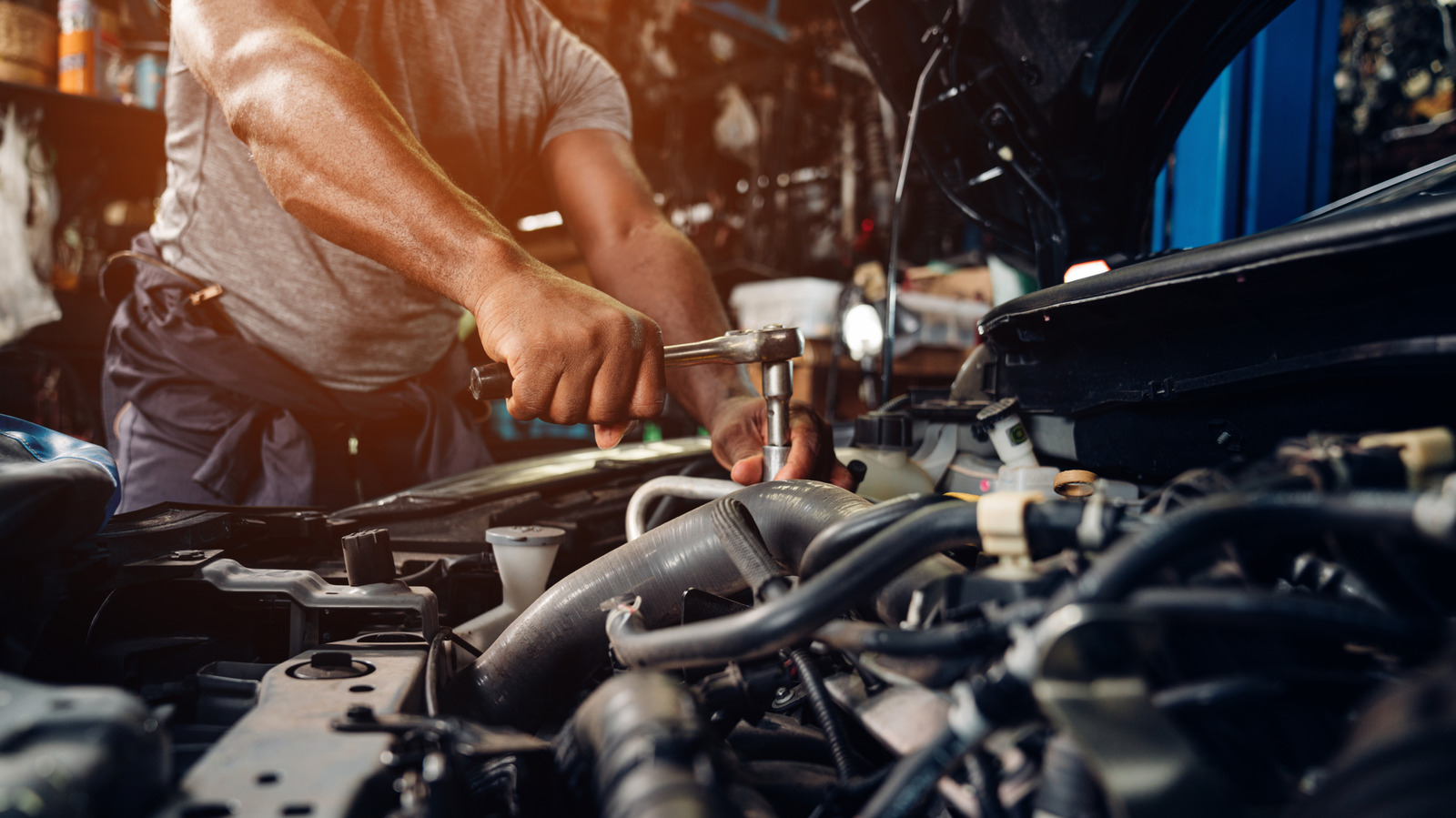
This article walks through a practical set of beginner-friendly automotive maintenance jobs you can tackle at home, explains why learning them pays off, lists the basic tools and safety steps to follow, and outlines when to step back and call a professional.
Doing simple maintenance yourself saves money and gives you confidence when something goes wrong on the road, but the real benefit is understanding how your car behaves so you can spot trouble early before small issues grow into big bills.
Start with a few modest wins that teach useful skills: keeping fluids topped up, changing an oil filter, swapping a battery or wiper blades, and rotating tires. Those jobs are short, repeatable, and build practical muscle memory for more involved projects.
Gathering the right tools makes everything safer and faster, so invest in a basic socket set, a torque wrench for lug nuts and critical bolts, jack stands and a quality floor jack, a tire pressure gauge, and a simple OBD-II scanner. Add an oil drain pan, funnel, good work gloves, and bright lighting and you’ll avoid many common headaches.
Oil changes are the classic first job because they’re routine and teach you how the engine is assembled around the oilpan and filter; follow the owner’s manual for the correct oil grade and disposal. Replacing the air filter and cabin filter is usually a few clips or screws and gives immediate improvement in airflow and HVAC performance.
Battery replacement is straightforward on most cars: disconnect negative first, then positive, swap the battery, and tighten terminals cleanly to avoid electrical gremlins. If your vehicle struggles to start before the swap, test charging voltage and ensure clamps are free of corrosion before condemning the alternator.
Tires and brakes deserve respect but they’re within reach for beginners who follow safety rules closely: rotate tires to even out wear and extend life, check and set pressure to the manufacturer’s spec, and replace worn wiper blades for visibility. Replacing brake pads can be done on many vehicles with a few basic tools, but inspect rotors and never rush—if the caliper hardware or lines look compromised, get professional help.
Fluids beyond oil matter too: check coolant, brake fluid, power steering, and windshield washer levels regularly and top to spec when safe; transmission fluid work varies by model, so consult the manual. Changing a coolant or brake fluid requires care to avoid air in the system and to handle fluids responsibly when disposing of them.
A simple OBD-II scanner turns warning lights into readable codes that point you toward common, fixable problems like misfires or sensor failures; it won’t replace experience but it narrows the hunt. Visual checks—for leaks, cracked hoses, frayed belts, and loose clamps—are surprisingly informative and often the fastest way to prevent roadside trouble.
Safety is non-negotiable: always use jack stands on solid ground when you’re under the car, chock wheels, wear eye protection and gloves, and keep a fire extinguisher and first aid kit handy. Never rely on the jack alone, and avoid makeshift supports or working on an incline without proper anchoring.
Make a habit of learning from concise, reputable sources: the owner’s manual, manufacturer service guides, and clear step-by-step videos from trusted mechanics teach safe methods and model-specific quirks. Forums and community groups can help troubleshoot oddball symptoms, but verify suggestions against verified documentation before you apply them.
Keep records of all work you do—dates, mileage, parts used, and torque specs—so future maintenance follows a reliable timeline and you can spot patterns like recurring leaks or premature wear. Good records also increase resale value by proving the car was cared for properly.
Know your limits: complex electrical systems, clutch or transmission rebuilds, engine timing work, and major suspension overhauls require specialized training and tools and are best left to pros. If a job looks like it will take more time than you budgeted or involves unfamiliar safety risks, book it out rather than turning a small fix into a costly mistake.
Dispose of used oil, coolant, and filters responsibly at recycling centers or auto parts stores that accept them, and bag used rags and contaminated materials to avoid environmental harm. Small, steady projects build skill quickly—start simple, stay safe, pay attention, and you’ll be surprised how many reliable maintenance chores you can handle yourself without a mechanic’s shop.
