
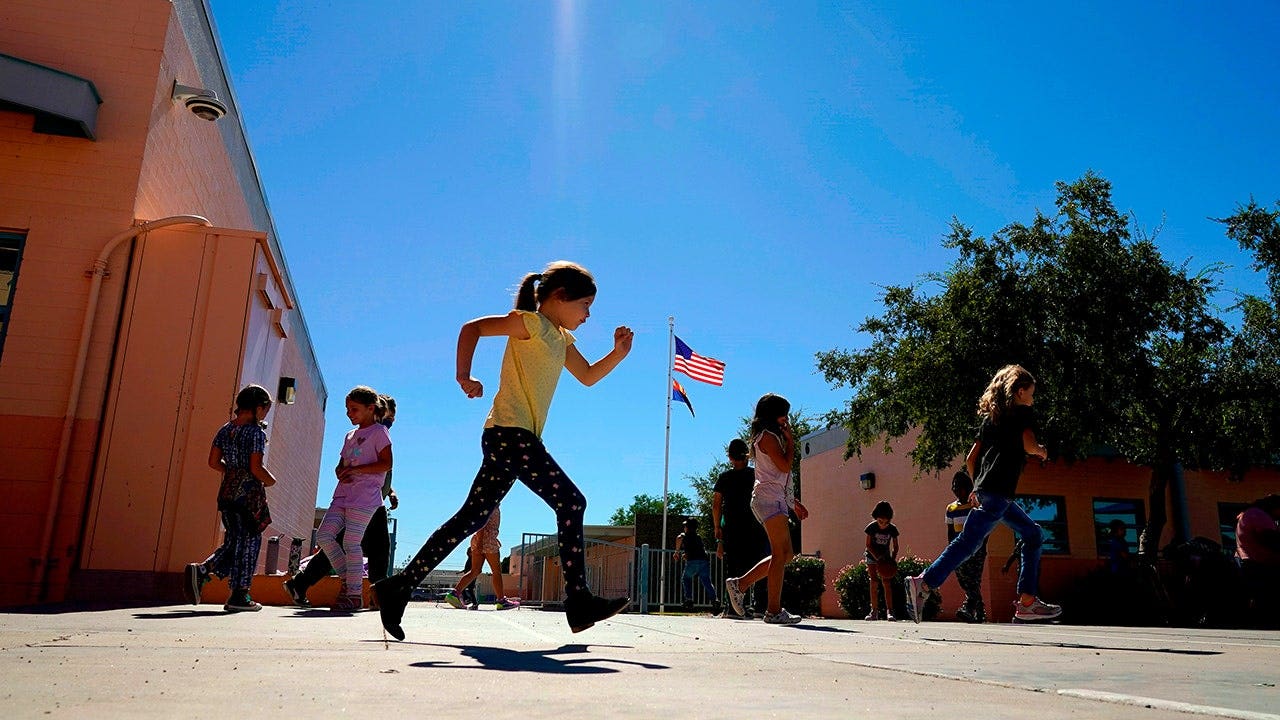
Recess isn’t just a break on the school schedule — it’s a critical reset for kids’ brains, bodies and social habits. New guidance from pediatric experts pushes schools to treat recess like essential learning time rather than expendable minutes. The evidence links unstructured play to better focus, stronger social skills and healthier students.
The American Academy of Pediatrics updated its guidance for the first time in over a decade, urging schools to protect recess and make it a regular part of the day. That recommendation landed in the journal Pediatrics and carries weight because it bundles physical, cognitive and emotional benefits into a single argument for change. The timing feels urgent given trends that have trimmed break time in many districts.
“It has a very powerful benefit if it’s used to the fullest,” said Dr. Robert Murray, a lead author of the new guidance, which was published Monday in the journal Pediatrics. Researchers are finding recess helps students reset between lessons, sharpening attention and boosting memory recall. Those sharp bursts of play often make the following classroom time more productive.
Unstructured recess also creates space for kids to practice social skills like negotiation, leadership and conflict resolution without adult scripting. It’s where shy children can build confidence and where imaginative play fosters creativity outside formal lessons. At a population level, physical activity during recess matters too as 1 in 5 U.S. children and teens struggle with obesity.
Despite those positives, many schools have shrunk or removed recess over the past two decades, often in favor of extra classroom time or test prep. Since the mid-2000s up to 40 percent of districts have reduced or eliminated recess entirely, leaving families and experts to push back. The lost minutes add up into a larger decline in daily movement and unstructured social time for students.
Public health groups now recommend at least 20 minutes of recess each school day and multiple short breaks to break up long stretches of instruction. They also caution against using recess as a punishment because that removes the one thing disruptive students might need most. Schools that make breaks routine report better behavior and a calmer learning environment.
“If the child is disruptive or rude and disrespectful, recess is one of the things that teachers use to punish kids,” Murray said, noting that those students often need it most. When recess is withheld it can worsen the behavior the discipline was meant to correct. Alternatives like restorative conversations or supervised activity can address conduct without taking away movement.
Older students benefit too, not just the youngest grades, as screen time climbs and opportunities to unplug vanish. “As kids get older, they’re more on their screens,” said Dr. Lauren Fiechtner, a pediatric specialist. “So it’s really helpful, I think, for outdoor activity and recess to be happening. Recess is great. We all kind of need recess.”
International examples offer simple templates: in countries like Denmark, Japan and the United Kingdom schools often schedule breaks after every 45 to 50 minutes of instruction. Those frequent pauses seem to support both learning and well-being, and they’re easy to adapt without upending academic goals. The point is not more chaos but smarter scheduling.
From a policy perspective, protecting recess means clear rules about minimum daily minutes, training for supervisors, and rejecting the idea that breaks are optional rewards. Communities can push for small changes that add up, such as guaranteed outdoor play time and programs that encourage inclusive games. Those shifts help students return to class calmer, more engaged and ready to learn.
Parents, teachers and administrators all have roles to play if recess is going to stop shrinking and start delivering consistent benefits. Advocating for scheduled breaks, supportive supervision, and alternatives to punitive removal can keep recess in the school day. The next time a district asks whether minutes should be cut, the evidence suggests they’re better off protecting play.
