
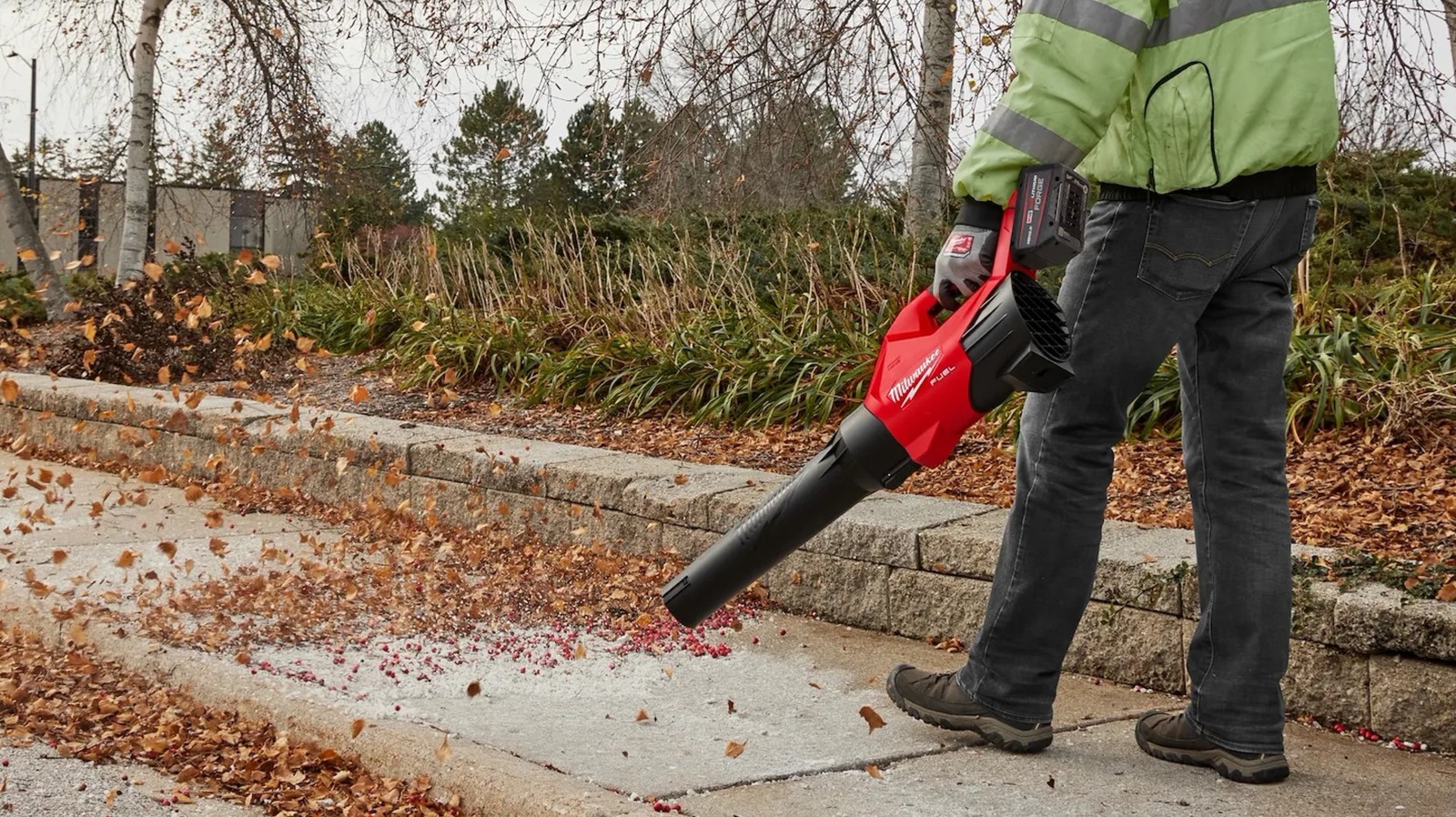
Affordable blowers are closing the gap, and in many cases outpacing name-brand options on the things that matter: raw airflow, runtime, and real-world value for both pros and weekend yard warriors. This piece digs into why some budget models are more compelling than you might expect, highlighting practical performance, battery life, and build choices that actually matter on the job. If you care about power per dollar and dependable runtime, you’ll want to read on.
First, airflow is king. Measured in cubic feet per minute, the budget contenders are delivering the gusts needed to push wet leaves and debris without stalling out, translating to fewer passes and less time chasing a clean yard.
Battery life is the second big factor. Modern cells and smarter power management have given cheaper models the endurance to handle a half-day of work on a single charge, which changes the equation for pros who used to rely on gas for longer runs.
Build quality varies, but smart materials and clever design choices keep weight down while preserving durability. That means some budget blowers feel surprisingly balanced during long shifts and don’t fatigue the operator as quickly as bulkier, heavier units.
Ergonomics get attention too. Manufacturers are listening to users and adding angled handles, softer grips, and better nozzle geometry so you can sweep leaves without twisting your wrist into a cramp.
Noise is often overlooked, yet it matters to customers and neighbors. Battery blowers generally run quieter than gas models, and the newer budget units tune the motor and fan to reduce harsh frequencies while keeping airflow high.
Performance under load is where the best budget models shine. Instead of dropping torque when resistance increases, they sustain airflow and keep debris moving, which is crucial when dealing with damp, compacted leaves or gravel-strewn driveways.
Battery ecosystems make or break the value proposition. Brands that offer cross-compatible batteries let you swap packs between tools, giving pros and hobbyists flexibility and reducing the need to buy duplicate batteries for every piece of equipment.
Charging speed and thermal management are other practical wins. Faster chargers and packs that stay cool under load get you back to work sooner and extend overall battery lifespan, which lowers total ownership costs over time.
Accessory options also matter. Multiple nozzle attachments, variable speed triggers, and shoulder straps let you tailor a blower to a task, whether it’s clearing a flower bed or tackling a large commercial lot.
Warranty and service support separate good buys from regrets. Even a budget brand can be a smart long-term play if they back products with clear warranty terms and accessible customer service for parts and repairs.
For pros, the calculus is straightforward: if a tool delivers the required airflow, reliable runtime, and fits into a battery ecosystem you already use, it can beat a pricier brand purely on economics. For homeowners, the same principles apply: spend where it counts, skip the branding premium, and focus on operator comfort and runtime.
Picking a blower today means balancing airflow, runtime, ergonomics, and total system costs. Look for tested airflow numbers, realistic runtime claims, and a battery system you can grow into. These budget options aren’t just cheaper; they can be smarter buys when you prioritize real performance over a logo.
