
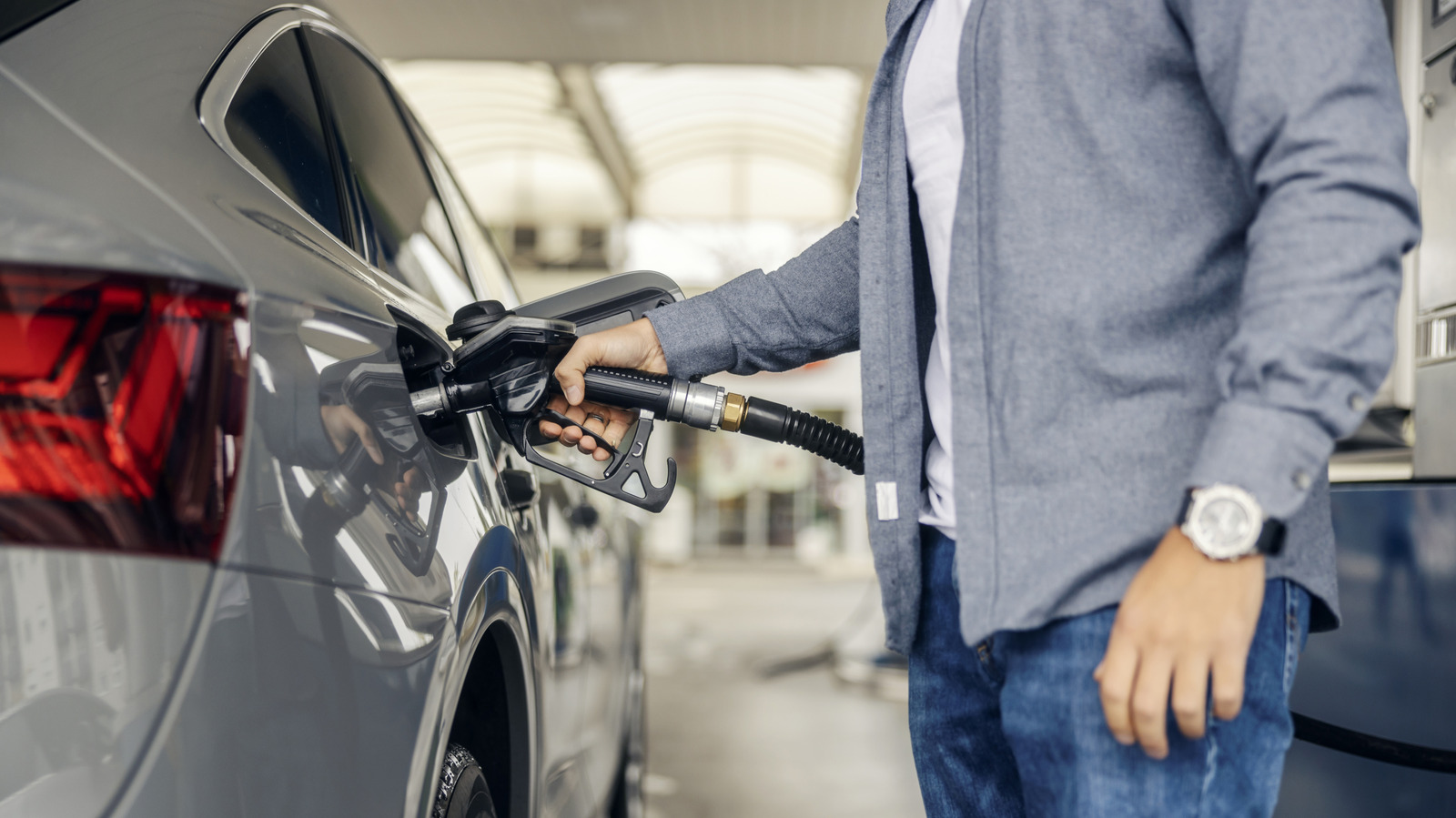
Gas prices keep climbing, and smart drivers are learning how to squeeze more miles from every tank without resorting to miracle gadgets. This piece walks through practical habits, maintenance moves, and simple planning tricks that add up to real savings at the pump. Read on for down-to-earth ways to stretch fuel, reduce trips, and keep your car running efficiently.
Start with how you drive because habits matter more than you think. Smooth acceleration and steady speeds cut fuel use dramatically compared with constant stop-and-go bursts, so anticipate traffic and leave a little earlier to avoid frantic maneuvers. Using cruise control on highways when safe keeps speed steady and often improves miles per gallon, while heavy right-footing and sudden braking nail your fuel economy.
Maintenance is cheap compared with wasted fuel, and a few routine checks pay off fast. Keep tires inflated to the manufacturer’s recommended pressure since underinflation increases rolling resistance and drains fuel, and replacing a clogged air filter can restore lost efficiency in older engines. Regular oil and filter changes, plus timely spark plug and fuel system service, help the engine burn fuel cleanly instead of wasting it through poor combustion.
Plan trips so you bundle errands into a single loop instead of multiple starts and stops over several days. Cold engines and short trips use far more fuel per mile than a warmed-up engine on a consolidated route, so errand clustering and midday errands when traffic is lighter both cut consumption. Combine driving with walking, biking, or transit for short hops — not to be preachy, but it’s often faster and cheaper.
> “With rising gas prices leaving many feeling the pain at the pump, knowing how to get every last mile out of your car has become increasingly important.”
Lightening the load and reducing drag are often overlooked, but they’re low-effort wins. Remove roof boxes and racks when not needed since they create wind resistance that kills highway mpg, and clear out unnecessary cargo; each extra hundred pounds lowers fuel economy a noticeable amount. Keep windows closed at high speeds where open windows add turbulence; at city speeds the effect is smaller, but every bit helps on long trips.
Smart use of technology can nudge better habits without constant thinking. Many cars now offer eco modes that limit throttle response and shift points to favor efficiency, and modern apps can plan routes that minimize time in traffic and unnecessary idling. If you’re in the market for a replacement vehicle, weigh fuel economy ratings and real-world data, not just sticker numbers; smaller engines with turbocharging can be efficient, but driving habits ultimately determine results.
Fuel choice and fill-up strategy also play a role but don’t overcomplicate it. Use the octane recommended by your owner’s manual — higher octane rarely improves fuel economy unless your engine is designed for it — and try to refuel during cooler parts of the day in hot climates to reduce vapor losses. Finally, keep receipts or track mileage for a few tanks so you can spot trends and tweak behavior when consumption creeps up for no obvious mechanical reason.
