
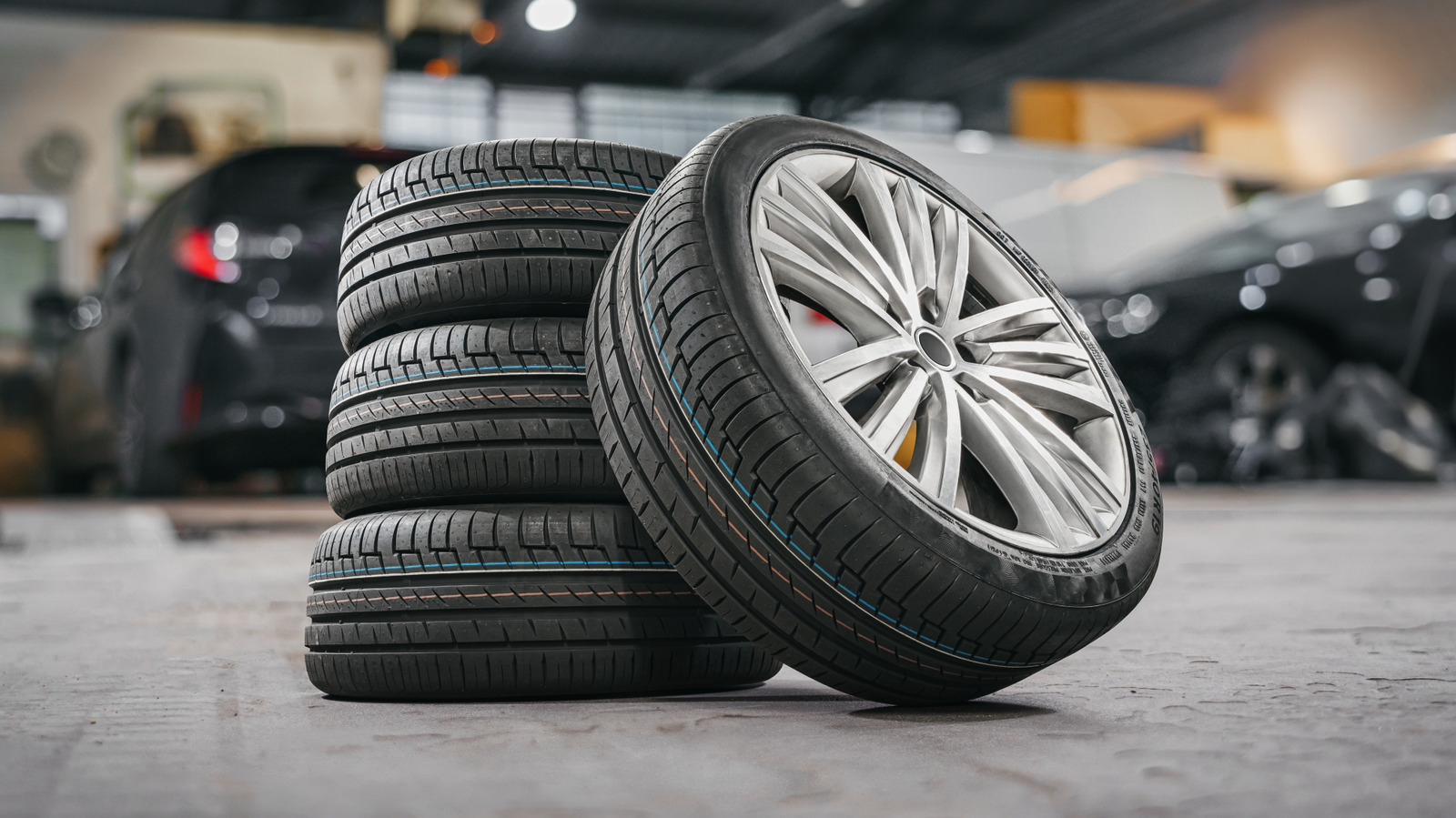
Costco and Sam’s Club are two of the biggest names people think of when it’s time for new tires, and J.D. Power’s 2026 customer satisfaction rankings make clear that the shopping experience can vary widely across major chains. This piece looks at what those differences mean for everyday drivers, how warehouse clubs stack up on price and service, and what to watch for when you’re making a choice. Expect straightforward observations you can use when the tread finally gives out.
Warehouse clubs earn attention because they bundle membership, product discounts, and a one-stop experience that promises lower sticker prices on tires. Many shoppers are drawn to the idea of buying tires while picking up groceries or electronics, thinking it’s convenient and cheap. That convenience can pay off, but the real value shows up in the details of service, installation, and follow-up care.
J.D. Power’s 2026 rankings highlight that customer satisfaction is not uniform across the market; some chains score better on service while others lead in pricing or warranty perks. A high score often reflects consistent communication, quick turnaround times, and technicians who handle mounting and alignment properly. Conversely, lower satisfaction tends to tie back to long waits, unexpected fees, or warranty confusion.
Price is an obvious factor, but it’s only part of the picture. Warehouse clubs frequently offer competitive sticker prices and seasonal promotions, yet add-on costs like mounting, balancing, and disposal fees can change the final bill. Between advertised savings and the bottom-line total, shoppers should do the math and compare quotes to avoid surprises at checkout.
Service quality separates a good tire run from a bad one. Simple issues like appointment scheduling, actual wait times, and the thoroughness of the installation process influence how customers remember their visit. Some stores include extras such as free rotations or valve stems for the life of the tire, while others treat those as separate charges; those choices show up in satisfaction ratings.
Warranty and coverage details deserve careful reading because they affect long-term value. Road hazard protection, prorated credits, and coverage length vary, and what looks like a bargain upfront can cost more if a blowout isn’t covered. Ask about the specifics: what counts as normal wear versus manufacturing defect, and how claims are handled across locations.
Tire selection at warehouse clubs often focuses on mid-range name brands and value lines, with occasional premium options depending on the store. That mix works for many drivers who want a solid tire at a reasonable price, but shoppers with specialty demands—performance, run-flat, or off-road—may find inventory limited. If a specific model matters to you, check availability in advance or be ready to order and wait.
Membership perks and timing matter. Some clubs run tire sales tied to holidays or seasonal changeovers, and members can sometimes access exclusive discounts and extended service windows. If you’re planning a purchase during peak season, book early; busy shops can push wait times into days or weeks, and that erodes the convenience advantage.
When assessing where to buy, look beyond the sticker and think about total ownership costs: installation fees, alignment necessity, warranty terms, and how easy it will be to get service later. Read recent customer feedback for the specific store you’ll visit rather than relying only on national rankings because local franchises can perform differently. Being proactive with questions and understanding what you’re paying for brings the most value.
Keep an eye on updates in industry rankings and local reviews, and treat a tire purchase as a small but important investment in safety and performance. Paying attention to the nuances of coverage, service, and timing will help you spot a genuinely good deal instead of just a low price tag. Make the choice that fits your driving needs and don’t let convenience alone drive the decision.
