
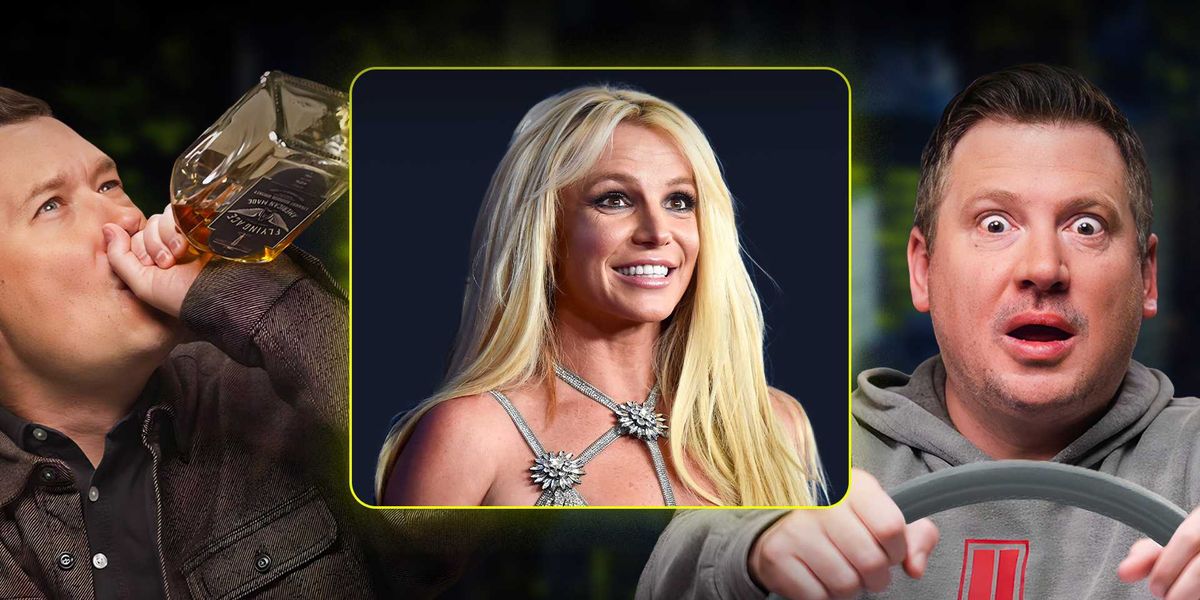
Britney Spears has taken a plea deal that downgrades a DUI charge into a “wet reckless,” leaving her with a year of probation and a restriction on possessing drugs without a prescription. The case has sparked a mix of legal confusion and cultural commentary, with radio hosts and pundits debating what the plea actually means and whether it will stick. Observers are skeptical about enforcement and the potential for future headlines, given Spears’ public history. The situation highlights how celebrity, law, and public appetite for drama collide.
The charge being labeled a “wet reckless” sounds like legal euphemism at work, and it immediately set off jokes and questions from commentators. “I would love to know what a ‘wet reckless’ is,” Dave comments. “My understanding, Dave … is that it is basically a DUI except they don’t want to call it a DUI,” Stu explains. That back-and-forth captures how the phrase muddies clarity while signaling a lesser offense.
The plea comes with conditions: twelve months of probation and a restriction on possessing drugs without a valid prescription. “Again, this could be a problem,” the article reads. “As we reported, Britney has gone to Mexico more than once to get Adderall.” That exact phrasing stuck in the conversation, because it points to a possible source of future violations if the restriction is enforced strictly.
Commentators pointed out the practical oddities of the restriction and the strange notion of policing a superstar’s prescriptions. “technically, no one can do that,” Dave says about the cross-border medication claim. Stu leans into sarcasm to make a legal point: “I feel like it was just police officers screwing with TMZ because they know they don’t know anything about the law. Just like, ‘ Yeah, it’s a wet reckless,’ and she can’t have drugs without a prescription. No heroin without a prescription now for Britney,’” Stu jokes.
Behind the jokes is a real legal question: does calling something a wet reckless change how probation and drug rules are applied? The term often signals a plea deal that avoids a straight DUI conviction, but it still carries consequences that can limit travel and medical choices. For someone with a global profile, even routine medical decisions become entangled with public scrutiny and the technicalities of probation.
There’s also a cultural angle that can’t be ignored: curiosity and entertainment value shape how this story plays out. “Basically, everybody likes the videos of her half naked in her house juggling knives, so they don’t want to put her in jail,” Landau adds. That blunt line underscores a harsher truth about fame—public appetite can soften the legal consequences or at least complicate enforcement when the subject is a celebrity.
Spears’ trips to Mexico for medication, real or rumored, became a focal point for both criticism and incredulity. “You really should just talk to your doctor and say that you need to focus. And if they don’t need proof, you could just show your entire life as being Britney Spears, and they might agree with you,” Landau jokes. “Seriously, that’s not a real excuse. You don’t go to Mexico to get Adderall,” Stu agrees. Those lines mix humor with a nudge toward ordinary common sense.
What matters next is how the probation terms are enforced and whether any future incidents trigger more serious charges. For now, the plea buys Spears breathing room, but it also comes with clear strings attached that could create fresh headlines if they’re tested. The mix of legal ambiguity, celebrity behavior, and the media’s appetite for spectacle ensures this won’t be the last time her name is in the news.
If you’re curious about the reactions and commentary, plenty of hosts and shows will keep dissecting the case and trading jokes about legal jargon. Some will focus on the law, others on the cultural spectacle, and a few will do both at once. This episode is a reminder that certain stories live at the intersection of courtrooms and pop culture, and that messy overlap tends to keep them alive in public conversation.
