
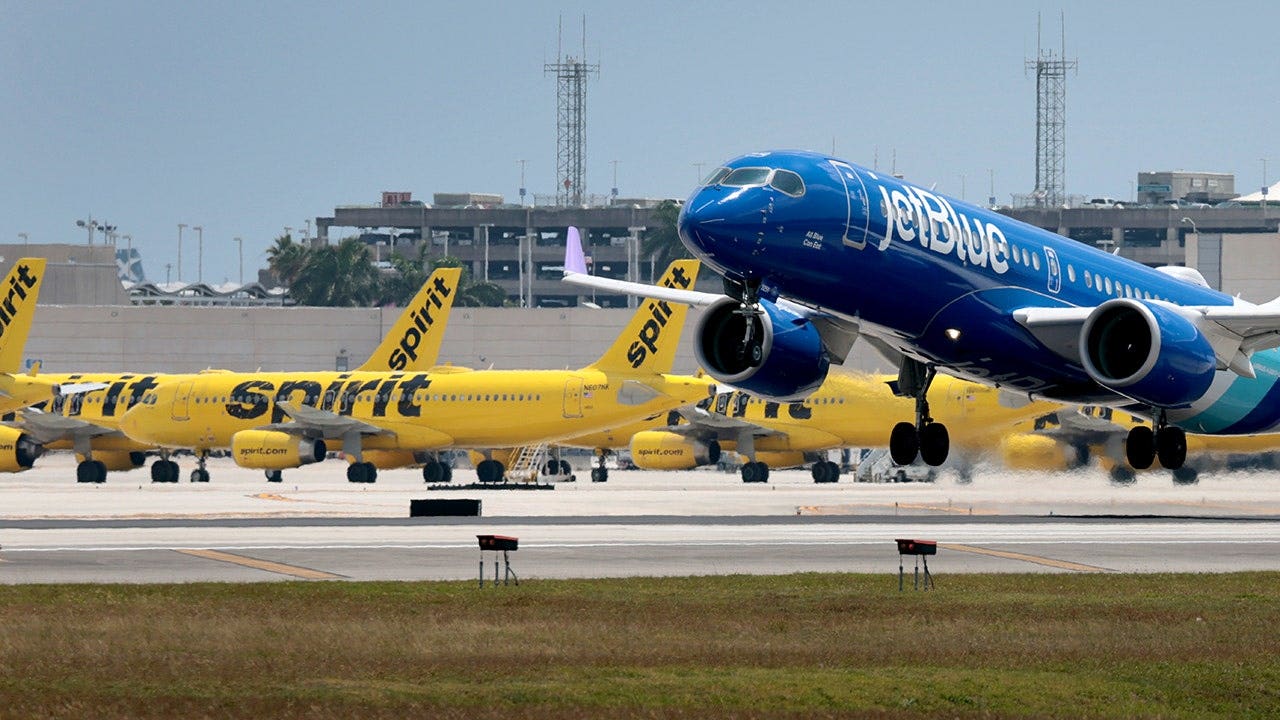
The Biden administration’s antitrust moves helped scuttle the JetBlue-Spirit deal and set off a chain reaction: a low-cost carrier disappears, thousands of workers lose jobs, and ticket prices inch higher as market power consolidates. This piece traces the merger fight, the policy logic behind it, and how the same mindset shows up in fights over groceries and big tech.
DUFFY BLAMES BIDEN-BUTTIGIEG TEAM FOR SPIRIT AIRLINES COLLAPSE AFTER BLOCKED MERGER The fight over Spirit began as a simple market rescue: two low-cost carriers tried to join forces to better compete with the industry giants. Regulators stepped in, fought the deal, and the outcome was predictable when a struggling discount airline could not survive without a buyer.
When Spirit’s final flight landed on May 2, the fallout was immediate and human: travelers stranded, up to 15,000 employees out of work, and smaller airports losing one of the few affordable options they had. That consolidation handed even more clout to the four largest carriers that already control roughly 75% of domestic travel. Consumers pay for that concentration with fewer choices and higher fares.
The legal posture that killed the merger leaned on high-minded lines about competition, but it flipped practical reality on its head. In 2022 JetBlue and Frontier bid for Spirit to build a low-fare challenger, and the Biden Department of Justice, with backing from the Transportation Department, sued to block the deal. Jonathan Kanter celebrated the result as “a victory for U.S. travelers who deserve lower prices and better choices,” while Senator Chris Murphy said it would “return power to regular people.”
DUFFY SAYS BIDEN ADMIN’S ‘WRONG DECISION’ DOOMED SPIRIT AIRLINES, LEFT 17,000 WORKERS JOBLESS Fast forward and Spirit is gone, and the people who cheered the court win are now scrambling to assign blame somewhere else. Two years after calling the blocked merger a win, critics are pointing fingers at politics and the shifting market, but the core policy choice is unchanged: intervention instead of letting markets reconfigure. The result is predictable — less competition, not more.
This isn’t an isolated episode. Regulators have used the same logic to slow or block mergers in other sectors, like the proposed Kroger-Albertsons union, where keeping the pair apart does little to help shoppers if one of them weakens and exits. And the same activists pushing to break up successful tech companies are operating from a worldview that treats size and success as guilt rather than achievement. That approach rewards disruption of winners, not policies that protect consumers from harm caused by consolidation.
Biden’s Federal Trade Commission under Lina Khan has even coordinated with overseas regulators to impose rules that make it harder for American firms to scale globally. Those moves can look principled on paper, but they have a real impact on jobs, innovation, and price competition back home. If shrinking domestic challengers turns into the default strategy, the gains Americans expect from competitive markets will keep slipping away.
Had JetBlue been allowed to close the deal with Spirit, a stronger low-fare competitor could have stayed in the sky and kept pressure on the big carriers to keep fares in check. We’ll never see that outcome now, and that absence will play out at ticket counters and airport kiosks for months to come. Policy choices have consequences, and this one landed squarely on everyday travelers.
The midterm cycle and the next presidential race are shaping up to be fights over affordability, and voters will notice where candidates stood on these market decisions. Those who argued to block mergers that would have preserved lower-cost options should be ready to explain why regulation that claims to protect consumers ended up shrinking choices and raising prices. That accountability matters as much as any campaign slogan.
