
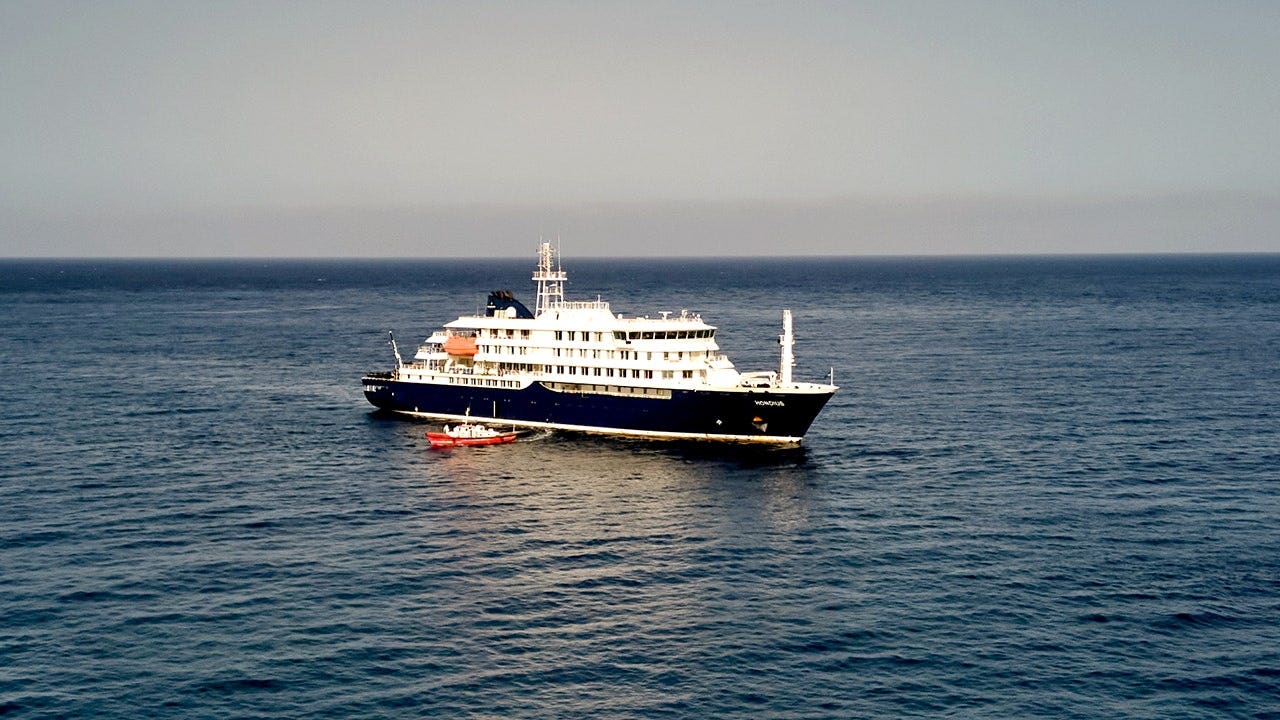
A Swiss man who had been aboard the MV Hondius cruise ship at the center of a deadly hantavirus outbreak has tested positive and is in isolation at home, health authorities say, while international teams work to trace and monitor anyone who might have been exposed. The strain involved is the Andes variant, a rare form that can sometimes pass between people after close, prolonged contact, though experts keep stressing the overall risk to the public is low. Multiple countries are coordinating evacuations, testing, and monitoring as the ship’s voyage and plans are upended.
Swiss officials say the man developed symptoms after returning from the MV Hondius and immediately sought medical care, where he was placed in isolation. His wife, who traveled with him, is self-isolating as a precaution but has not shown symptoms so far. Authorities are treating the case seriously and are moving quickly to identify anyone who may have been in close contact with the couple during the trip.
The Andes strain is different from the more common hantavirus infections that usually come from contact with rodent droppings. It is rare, but it has been linked to person-to-person spread in limited situations when people are in very close, prolonged contact with an infected person. Because of that unusual feature, health agencies on multiple continents have stepped up testing and follow-up for passengers and crew from the cruise.
The outbreak aboard the MV Hondius has already been lethal for some passengers, and several others fell ill, which prompted an international response while the ship remained off the coast of Cape Verde. South African authorities reported identifying the Andes strain in two other passengers who had been on the same voyage. Three suspected cases were moved off the vessel to receive care in the Netherlands as officials worked to provide treatment and reduce further spread.
The expedition had set out from Argentina on April 1 and was due to travel through the Southern Atlantic with planned stops including Antarctica before the emergency changed its course. With the ship detained near Cape Verde, roughly 150 passengers and crew found themselves in limbo as local and international health teams scrambled to contain the situation. The disruption has left families and travelers waiting for clear guidance and further testing results.
Spain agreed to receive the vessel in the Canary Islands, a move that brought relief about repatriation but also raised concerns among local officials about potential risks to island communities. Authorities there and elsewhere are balancing the need to bring people home with the need to protect residents and healthcare systems from any possible transmission. That tension has shown up in careful planning around disembarkation, transport, and medical oversight.
Hantavirus infections are uncommon but can progress quickly and severely in some patients, with symptoms ranging from fever, muscle aches, and fatigue to serious respiratory distress. Public health experts emphasize that the Andes strain’s human-to-human transmission remains uncommon and generally requires close, prolonged exposure to an infected person. That context matters for how agencies prioritize contact tracing and who must be monitored or isolated.
Across several nations, health authorities have launched monitoring efforts for people who were still aboard the ship as well as passengers who already disembarked. Testing, symptom checks, and coordination between public health teams are underway to make sure potential cases are identified early and treated. These steps aim to limit any spread while keeping passengers informed about what to watch for and when to seek care.
“At this stage, the overall public health risk remains low,” Tedros said. Officials continue to urge vigilance without panic, focusing on clear communication, rapid testing, and targeted evacuation or treatment for those who are unwell. The situation remains active, and health teams say more information will come as testing and contact tracing proceed.
