
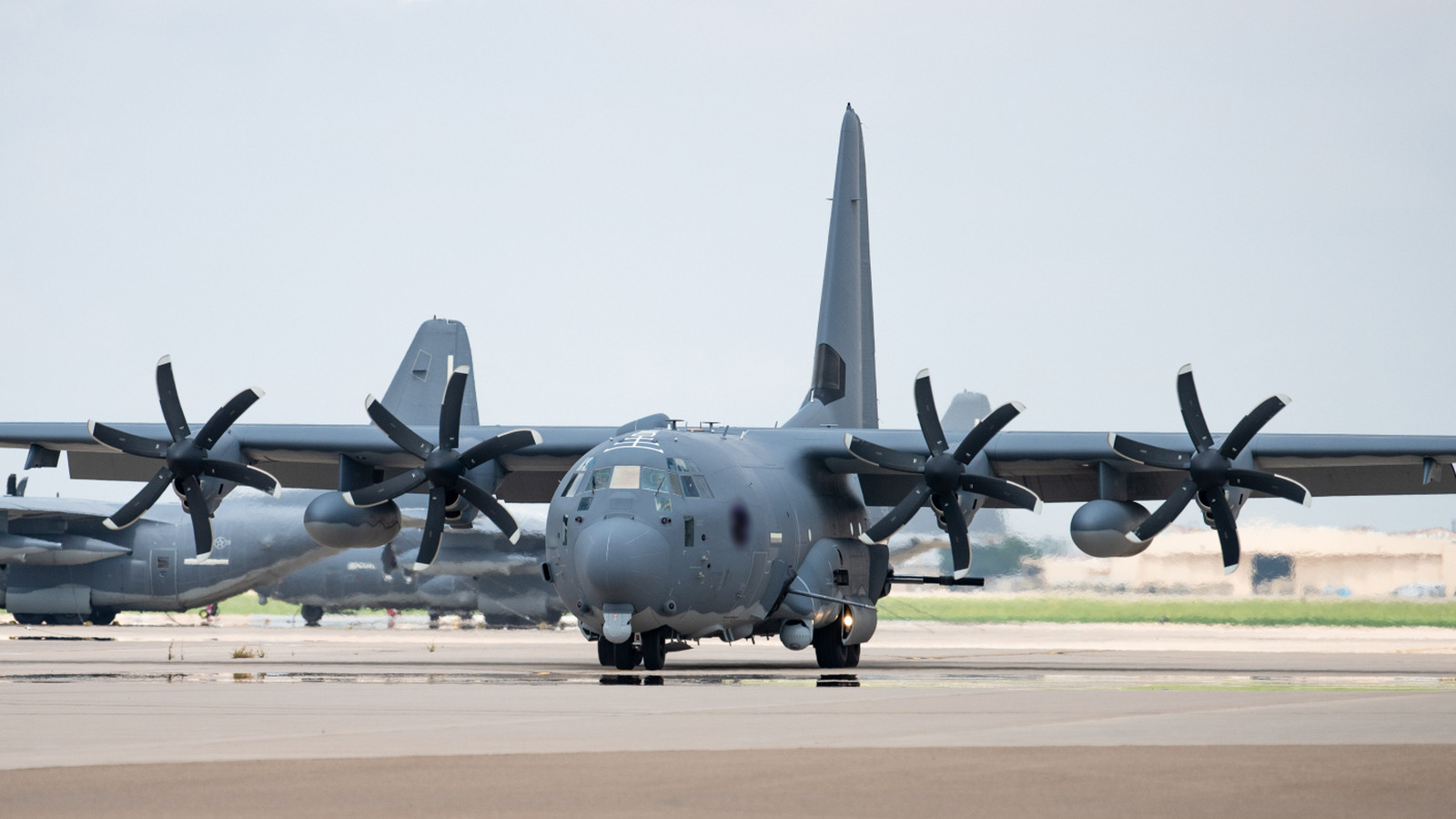
Kirtland Air Force Base covers more than 50,000 acres, but that vast footprint hides a different reality than most people picture when they think of a major air base. Instead of endless rows of fighter jets, Kirtland blends research labs, testing ranges, support facilities, and high-security missions into a sprawling campus that looks more like a science park than a traditional flight line. The base plays quiet, essential roles that keep modern aviation, space, and national security programs running without fanfare.
Walk near the perimeter and you might expect to spot squadrons of fighters taxiing for takeoff, but the visible gear is often support equipment and specialist platforms. Big runways exist, yet much of the activity happens inside hardened buildings, inside laboratories, and on remote ranges. The emphasis is on development, testing, and sustainment rather than massed operational squadrons popping in and out all day.
Research and development activities give Kirtland an unusual personality for an Air Force base. Engineers and scientists work on advanced sensors, communications, and hard-to-see technologies that usually live out of public view. That focus attracts civilian contractors and academic partners, so parts of the base feel like a civilian R and D campus more than a typical military installation.
Testing ranges and training areas spread across the property, and they shape the base’s footprint in ways you do not notice from the road. Live-fire exercises, electronic warfare trials, and complex system validation require room and isolation, which Kirtland provides in spades. Those exercises are crucial for readiness, but they do not always translate into the parade of aircraft that people expect when they hear the name of a big base.
Certain missions on the base prioritize security and secrecy, which further hides activity from casual observation. Critical maintenance, weapons stewardship, and space support functions often happen behind controlled access points and within purpose-built facilities. That security keeps essential capabilities safe and functioning, but it also means the public sees less of what the base actually does day to day.
Support functions are another reason Kirtland looks different than other large bases. Logistics hubs, heavy maintenance depots, and specialized repair shops handle gear that keeps forces worldwide moving. These operations demand acreage for storage, test stands, and assembly areas rather than hangars full of combat jets, so the base’s vast land often fills with support infrastructure rather than aircraft rows.
Airspace and test corridors tied to the base extend its influence far beyond the fenced boundary. Remote deserts and isolated ranges give teams the freedom to validate systems in realistic conditions without endangering civilians. That kind of testing is vital for modern systems from unmanned aircraft to missile defense, and it explains why so much of Kirtland looks like open space even though intense work is underway.
Local communities sometimes misread what the base does because they expect visible flight operations and loud sorties. The truth is quieter and more technical, but no less important. Kirtland’s mix of research, testing, sustainment, and secure missions makes it a backbone for capabilities that show up elsewhere in more obvious ways, even if the base itself rarely steals the spotlight.
