
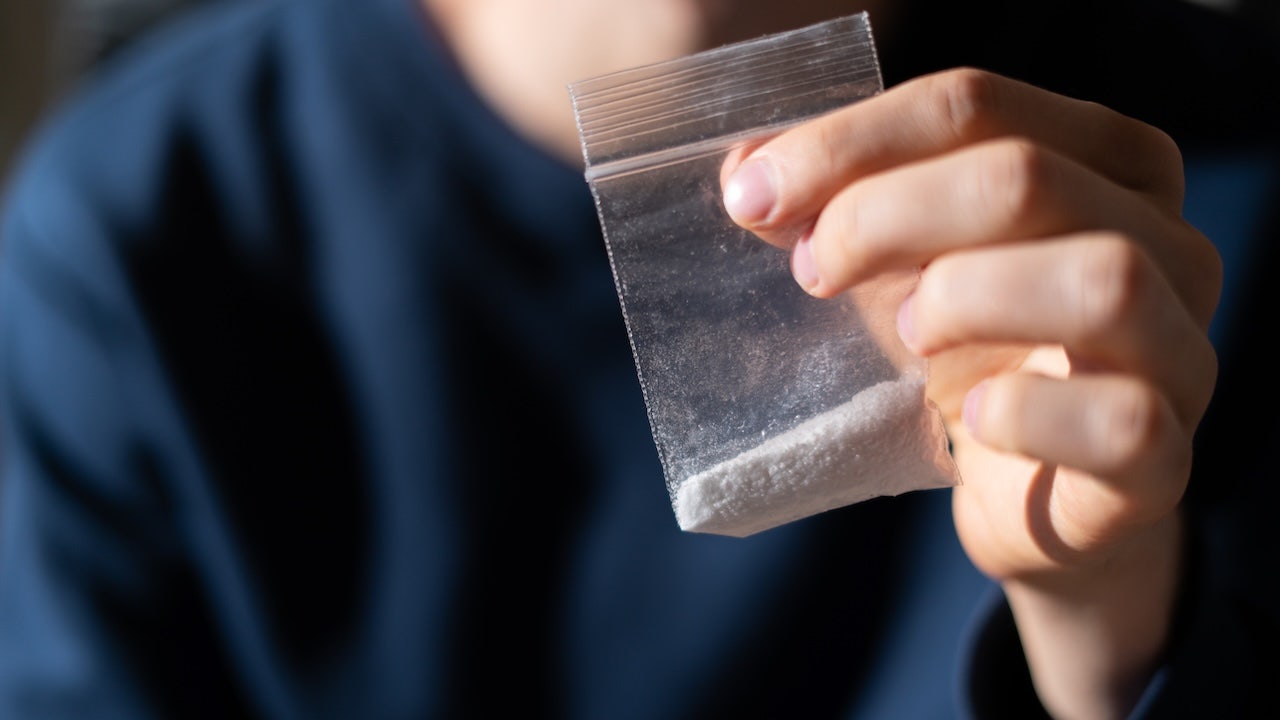
Officials are sounding an alarm after finding medetomidine — a powerful veterinary sedative sometimes called rhino tranq — showing up in illegal drugs, often mixed with fentanyl, and creating new dangers for users and challenges for clinicians.
Federal health agencies issued an advisory after multiple surveillance sources picked up medetomidine in the illicit supply. Forensic testing, wastewater analysis, clinical reports, and overdose investigations all contributed to the alert, showing this is not an isolated issue.
Medetomidine is a veterinary alpha-2 agonist used to sedate animals and is sometimes called rhino tranq, mede or dex. Its effects include deep sedation, slow heart rate, low blood pressure, and respiratory depression, which become especially hazardous when combined with opioids like fentanyl.
Detection of medetomidine in drug samples jumped dramatically across a short period. Reported incidents rose from the low hundreds in 2023 to several thousand the next two years, and forensic data indicate roughly 98% of medetomidine-positive samples also contained fentanyl.
The drug has been found across numerous states with clusters in the Northeast and Midwest, suggesting regional concentrations but not a confined problem. This pattern means emergency departments, treatment centers, and first responders need to be alert to unusual presentations of overdose and sedation.
Dr. Adam Scioli described the situation as a “concerning and rapidly evolving development” in the illicit opioid supply. He warned that “Its co‑occurrence with fentanyl significantly complicates overdose presentation and withdrawal management, further increasing both clinical acuity and unpredictability,” he told Fox News Digital.
Medetomidine is often missed on routine toxicology screens, which can delay correct diagnosis and treatment. “Medetomidine is not routinely detected on standard toxicology screens, increasing the risk of under‑recognition without a high index of clinical suspicion,” the advisory noted in clinical guidance.
Standard opioid reversal drugs have limits when this sedative is present; naloxone saves lives by reversing opioid-induced respiratory depression, but it does not counteract alpha-2 agonist sedation. “While naloxone remains essential for reversing opioid‑induced respiratory depression, it does not address the sedative effects of medetomidine,” Scioli confirmed.
Withdrawal tied to medetomidine follows a different timeline and can be severe, with symptoms often starting a few hours after exposure and peaking around 18 to 36 hours. That trajectory complicates discharge planning and demands follow-up care that anticipates delayed peaks in agitation, autonomic instability, or other withdrawal phenomena.
Clinicians are urged to broaden their diagnostic suspicion when patients present with unexplained profound sedation or atypical withdrawal signs, especially in areas with confirmed detections. The advisory stresses that care teams should consider additional testing where available and monitor cardiovascular and respiratory function closely while arranging longer-term supports.
The evolving drug supply is reshaping clinical priorities and treatment approaches, and experts say addiction services must keep pace with those changes. “The drug supply is evolving in ways that strain traditional opioid‑focused frameworks and demand greater clinical vigilance,” he said.
Treatment strategies should be adaptive and medically sophisticated, integrating long-term recovery planning rather than relying solely on acute stabilization. “From a treatment perspective, this is another clear example of why addiction care must be adaptive, medically sophisticated, and grounded in whole‑person, long‑term recovery — not solely acute stabilization,” he added.
