
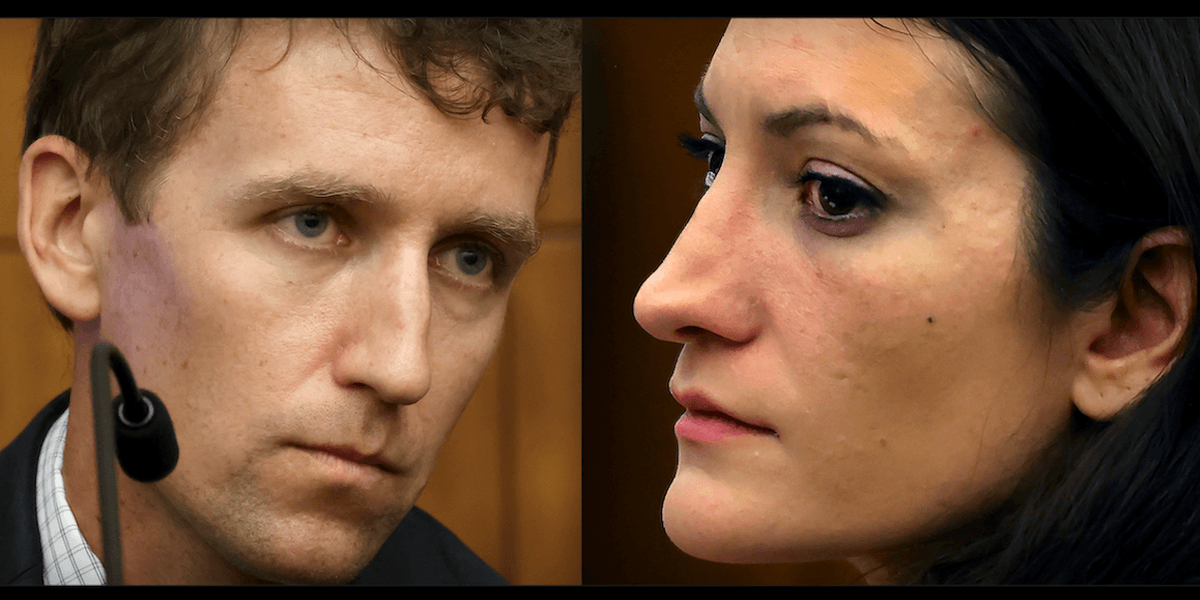
A devastating family tragedy took center stage again as Patrick Clancy described the last moments of hope he held onto for his 8-month-old son before the baby died in his arms. The account, tied to the case of Lindsay Clancy, reopened the raw pain around a story that has already stunned Massachusetts and drawn national attention. The details are grim, but the emotional weight comes through even harder in the way a father remembers trying to believe there was still a chance.
Clancy’s words point to the kind of horror that never really leaves a family. In the midst of chaos, he said he held out hope for his youngest child, along with the siblings, only to face the crushing reality that the baby did not survive. That single memory carries the whole burden of the case, where private grief and public outrage collide in a way that is almost impossible to separate.
The case has remained so haunting because it involves not just a shocking act, but the collapse of what should have been the safest place in the world. A home became the setting for loss, and a marriage became the backdrop for an unthinkable tragedy. That contrast is what keeps people fixed on the story, even as time passes and more details come out.
For Patrick Clancy, the language of survival seems to run right alongside the language of heartbreak. Holding a child while hoping for a miracle is the kind of moment that can split a life in two, and the memory of hearing that death had arrived in his arms adds another layer to the already unbearable weight. It is the sort of pain that does not fade cleanly, because every detail stays sharp.
The broader public reaction has been intense for a reason. Cases like this force people to confront how quickly a family can be shattered and how little warning there can be before a tragedy explodes into headlines. There is no easy emotional distance from a story involving children, and that is especially true when the details suggest fear, confusion, and irreversible loss all happening at once.
Lindsay Clancy’s name has become tied to one of the most distressing crime stories in recent memory, and that connection alone keeps the case alive in the public mind. The pain around the children is impossible to ignore, but so is the lasting impact on the father left behind to carry the memory of what happened. His recollection is not just a statement about the past, it is a reminder of how trauma settles in and changes everything around it.
The story also speaks to the way true crime cases can dominate conversation while still being, at their core, deeply personal family disasters. Public fascination may come from the shocking nature of the allegations, but the lasting impression comes from the human wreckage. A father, a baby, and the final hope that did not hold on long enough is the kind of detail that lingers far beyond the news cycle.
Even now, the emotional center of the case is not hard to find. It sits in the memory of a man trying to stay steady while facing the loss of his children, and in the stark fact that the youngest one died in his arms. That is the kind of moment that turns a crime story into something far more personal, and it is why this case continues to draw attention every time it surfaces again.
