
A bipartisan bloc of senators is pressing Donald Trump to abandon a new diesel arrangement with Russia, arguing that any economic win for Moscow only strengthens Vladimir Putin while Ukraine keeps paying the price. Their warning is blunt: easing pressure on Russian energy exports could hand the Kremlin fresh cash, muddy America’s message to allies, and do little to help U.S. consumers in the real world.
The senators say the Treasury Department’s General License No. 135 should be pulled back immediately. In their view, opening the door for Russian diesel to move more freely in global markets gives Putin room to keep financing his war, which they describe as brutal, illegal, and aimed squarely at civilians.
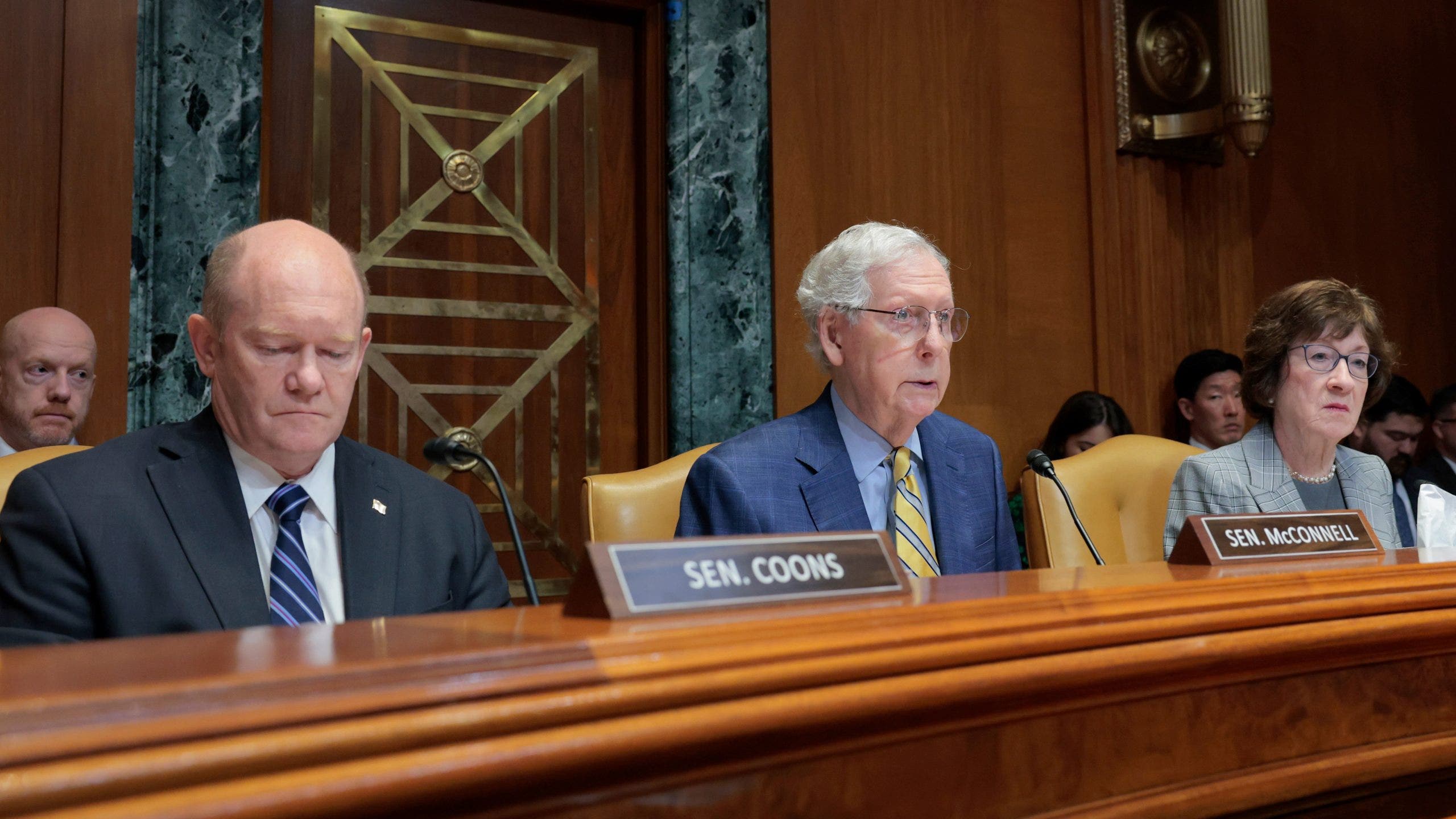
The letter lands as a rare cross-party rebuke, with Republicans and Democrats signing on together. Among the GOP names are Thom Tillis, Mitch McConnell, Susan Collins, Alan Stuart Armstrong, Lisa Murkowski, and John Cornyn, while Democrats Richard Blumenthal, Jeanne Shaheen, Dick Durbin, Sheldon Whitehouse, Jack Reed, and Chris Coons also joined the push.
The message was not limited to abstract concern about foreign policy. It was also copied to Treasury Secretary Scott Bessent and Secretary of State Marco Rubio, a sign that the senators want the administration’s top economic and diplomatic officials to deal with it fast. That kind of paper trail suggests they are not looking for a long debate.
At the center of their complaint is the idea that cheaper diesel abroad does not automatically mean relief at home. The senators argued that any impact on American fuel prices would be tiny, while the money sent to the Kremlin could keep feeding a war machine that keeps grinding away in Ukraine and beyond.
They also warned that Russia’s energy revenue could deepen cooperation with China, Iran, and North Korea, which is exactly the kind of alignment Washington has spent years trying to stop. That concern has an edge to it because energy profits are never just about fuel, they are about leverage, access, and military staying power.
The senators went further, saying the move could even create risks for U.S. servicemembers overseas tied to Operation Epic Fury. That language gives the fight a much wider frame than gasoline prices, turning it into a question about whether America is helping underwrite threats that could circle back on its own forces.
Trump, for his part, brushed off the criticism when asked about it during a gaggle on Tuesday. He said no one had told him Russia would use diesel money for bombs in Ukraine, and repeated that the deal was aimed at the world market, not at the United States alone.
He framed the arrangement as part of a bigger effort to push down energy costs, especially for farmers, ranchers, and truckers. In his telling, the world market has been strained by high prices, and a larger supply of diesel could ease that pressure while also fitting into his broader energy strategy.
The controversy traces back to a Truth Social post in which Trump said he had a successful discussion with Putin and announced that Russia would supply large amounts of diesel fuel to the American and global marketplace. He said the flow would begin with 300,000 tons, followed by more shipments in November and then millions more after that.
That announcement immediately sparked a different kind of reaction from critics who see energy trade with Moscow as a strategic mistake dressed up as market management. The senators’ letter makes clear that they want the administration to reverse course, restore tougher limits, and keep U.S. policy aligned with the people still fighting Putin’s war on the ground.
Trump defended the move as a way to bring prices down quickly and give consumers some relief, while also tying it to his wider claims about U.S. control over energy pressure points in the region. The clash now sits right at the intersection of foreign policy, sanctions, and the kind of pocketbook politics that can reshape a White House argument in a hurry.
