
The Nobel Peace Prize has drifted far from its original purpose, and that drift is hard to miss. What once honored real progress toward peace now often seems to reward fashionable causes, activist signaling, and the preferences of a small political circle in Norway.
Alfred Nobel imagined an award for people who meaningfully advanced peace among nations. Instead, the prize now too often feels like a stamp of approval for the international activist class, where the right slogans can matter more than tangible results.
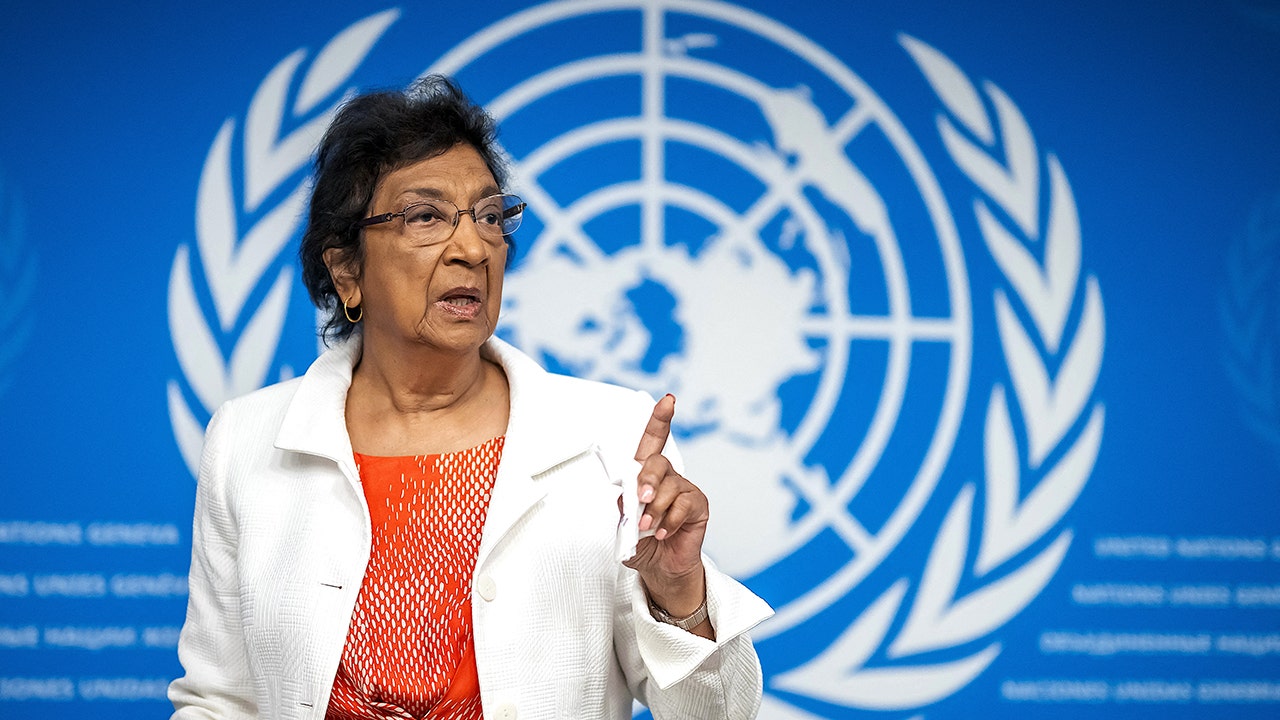
Navi Pillay’s selection puts that problem back in the spotlight. Best known for leading a U.N. inquiry that accused Israel of genocide in Gaza, she has become a symbol of how the prize can be used to elevate figures tied to anti-Israel hostility rather than genuine peacemaking.
Her record goes well beyond one headline-making report. Pillay has also faced criticism for responses to speech and free expression, including reactions to the Muhammad cartoons and Charlie Hebdo that came off less like a defense of liberty and more like an instinct to blame the people under attack.
That pattern matters because peace is not built by rewarding those who fold when extremists use intimidation. A serious peace prize should stand for courage, principle, and the hard work of lowering conflict, not for apologizing toward mobs or echoing fashionable outrage.
Pillay’s history also raises broader concerns about selective outrage inside the U.N. system. When antisemitic remarks surfaced from fellow officials, she was seen as too quick to excuse the culture around them, even as criticism of Israel kept getting sharper and louder.
There were other awkward moments too. Reports have long followed episodes in which Pillay appeared hesitant around high-profile abuses by authoritarian figures, which only deepened the sense that her worldview fit neatly inside the diplomatic elite’s favorite narratives.
That is the deeper problem with the prize. It has repeatedly gone to people or causes that match the moral tastes of committee insiders, even when the connection to peace is thin, indirect, or practically nonexistent.
The history is loaded with examples. Yasser Arafat received the honor despite a career marked by violence, Henry Kissinger shared it for a Vietnam settlement that quickly unraveled, and Barack Obama got it very early in his presidency, before any major achievement could really justify the choice.
Then came the awards that stretched the meaning even further. Al Gore and the Intergovernmental Panel on Climate Change were chosen in 2007, and the European Union was honored in 2012 for an abstract idea of European harmony rather than a specific peace breakthrough.
That kind of drift does more than annoy critics. It weakens the award itself by blurring the difference between genuine peace efforts and whatever cause happens to be in style among global institutions and progressive elites.
None of this argues against human rights, diplomacy, or humanitarian work. Those things matter a great deal, but they are not automatically the same as making peace, and they should not be treated as interchangeable just because they sound noble.
Real peace is usually messy, practical, and unglamorous. It depends on deterrence, compromise, alliances, and the willingness to work with people who are far from ideal, which is exactly why it rarely gets applause from polished conference rooms.
The Abraham Accords showed what actual progress can look like. They normalized ties between Israel and several Arab states, opening the door to embassies, flights, trade, investment, and security cooperation that replaced open hostility with something far more constructive.
That kind of achievement should matter far more than ceremonial praise for activists and officials who speak in the language of peace while delivering little of it. Jared Kushner and the Trump team may not be popular with the same institutions that love award-season virtue, but they helped produce something concrete.
And that is where the Nobel Committee keeps revealing its bias. The prize is decided by five people appointed through Norway’s parliament, which gives a tiny group enormous power to define the world’s moral favorites year after year.
When that power gets filtered through a progressive lens, the result is predictable. The prize starts looking less like a serious honor for peace and more like a yearly endorsement of the committee’s politics, wrapped in a prestigious label.
Alfred Nobel’s original idea was simple enough: reward exceptional achievements that advanced peace. What the committee often hands out now feels closer to a cultural signal than a recognition of real-world progress, and that makes the award easier to question with every passing year.
A peace prize that cannot tell the difference between activism and actual peace no longer carries the weight it claims. The name may still sound grand, but the credibility behind it keeps getting thinner.
