
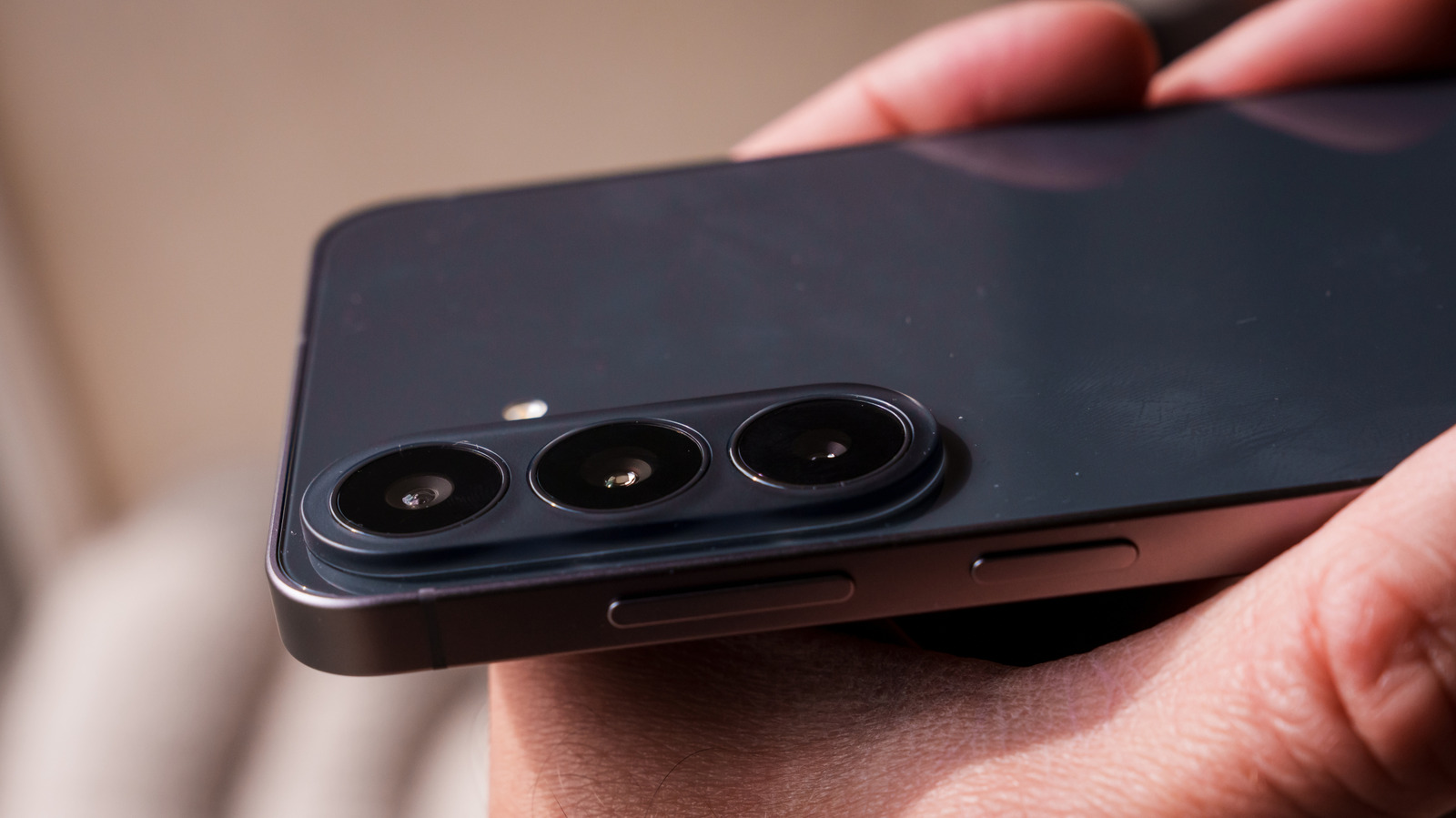
Here’s the short version: the Samsung Galaxy S26 FE is decent, but it gets outclassed in a lot of the places that matter most, from raw speed and memory to battery life and charging. Several Android phones around the same price bring stronger chips, more RAM, better displays, and in some cases better value from Samsung itself. If the goal is to get more phone for the money, the field gets surprisingly crowded fast.
- Samsung Galaxy S26 FE value concerns
- Performance and RAM advantages in alternatives
- Battery life and charging speed differences
- Samsung’s own stronger lineup options
- Camera, display, and build quality tradeoffs
- Why the comparison favors better-priced rivals
The S26 FE is still a dependable phone, and the long software support is one of its biggest selling points. But the rest of the package feels a little flat, especially when the price climbs and the hardware stays stuck with 8GB of RAM, older USB hardware, and a setup that does not exactly scream bargain. That is where the alternatives start looking a lot more appealing.
The OnePlus 15R is a sharp example of why. It matches the S26 FE on storage, offers 12GB of RAM, and comes in cheaper, while also pulling far ahead in benchmark performance. The bigger story is battery life, since its huge 7,400mAh cell and 80W charging make Samsung’s 4,900mAh, 45W setup look pretty conservative.
Xiaomi’s Poco F8 Pro pushes the value angle even harder. It lands at a lower price, brings 12GB of RAM, and uses the Snapdragon 8 Elite, a chip that gives it a clear performance edge in daily use and benchmark runs. It also pairs that speed with a 6,210mAh battery and 100W charging, which makes the S26 FE look a little too ordinary for the money.
If Samsung is the only brand that really matters, the Galaxy S25+ is a much stronger buy than the FE. It starts cheaper than the S26 FE in some configurations, uses the Snapdragon 8 Elite, and adds a more durable build, brighter display, and faster USB 3.2 port. The battery is about the same, so there is not much sacrifice there, which makes the FE’s extra cost feel harder to justify.
The smaller Galaxy S25 follows the same logic, just in a more compact body. It still outperforms the S26 FE in most areas, while the FE only really pulls ahead in battery size and charging speed. Even then, the S25’s 256GB version with 12GB of RAM can still undercut the FE’s base model, which is a pretty rough look for Samsung’s newer fan edition.
Then there is the Galaxy S25 Edge, which is more of a style statement but still packs real muscle. It is thinner, sharper looking, and a little faster than the S26 FE, while also offering a better screen-to-body ratio and a 200MP main camera that holds up well even at higher zoom levels. The smaller battery is the obvious tradeoff, but for buyers who care about design as much as specs, it feels like the more exciting pick.
For anyone who wants the newest Samsung flagships, the regular Galaxy S26 is sitting right there and making the FE look awkward. In the U.S., its Snapdragon 8 Elite Gen 5 chip wipes the floor with the Exynos 2500 inside the FE, and it also brings better build quality, a stronger display, USB 3.2, and 12GB of RAM. The FE has a larger battery on paper, but the standard S26 still manages to stay competitive in active use while feeling like the more premium phone overall.
What ties all of these choices together is simple: the S26 FE is priced like a serious midrange contender, but it often behaves like a phone that is one step behind. That is why the comparison keeps circling back to speed, memory, charging, and everyday feel instead of just looking at the spec sheet. When those details line up, the better choice becomes pretty easy to spot.
