
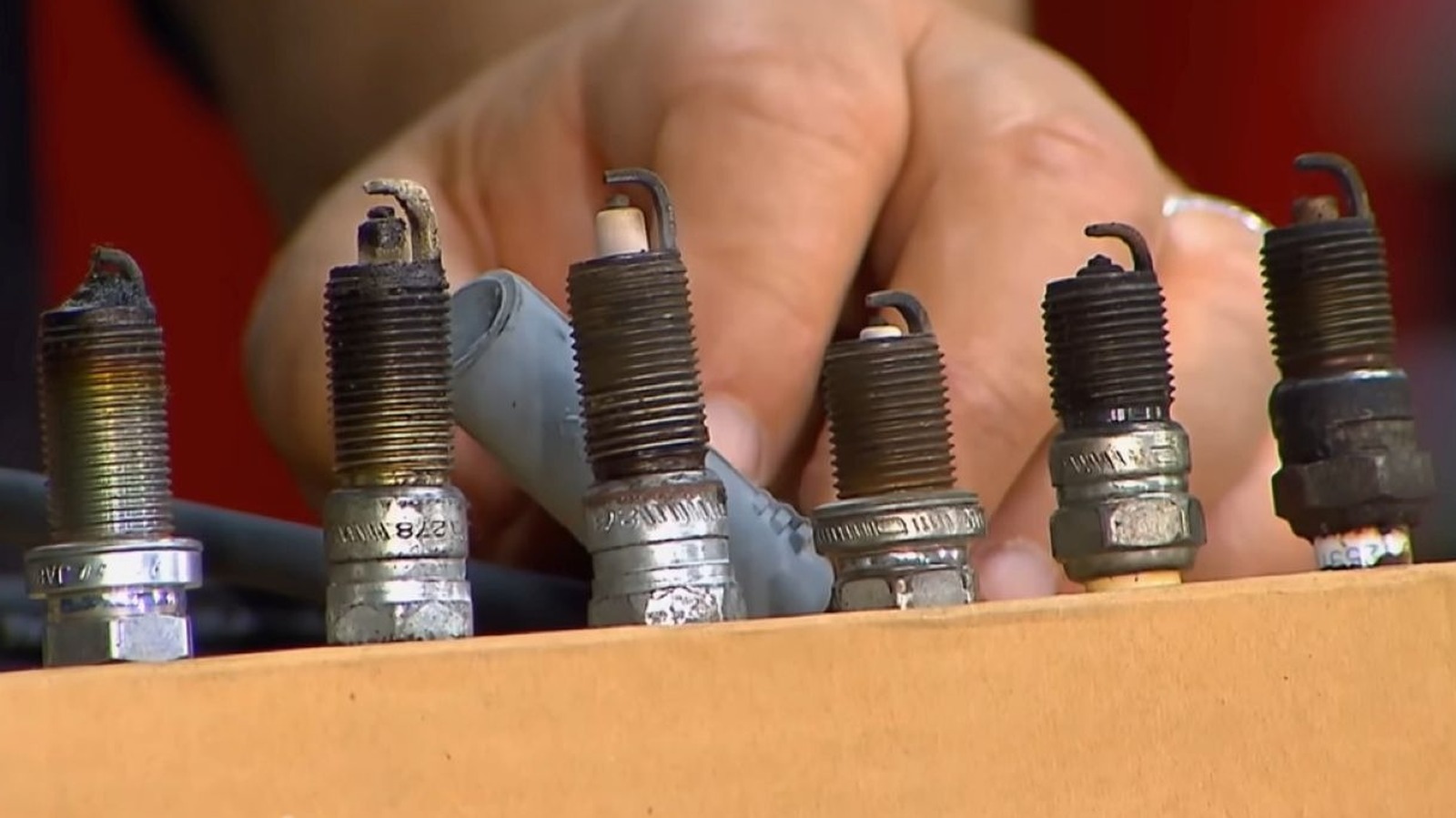
Spark plugs do their job quietly until they start slipping, and then the whole engine can feel off in a hurry. When they wear out, the symptoms can show up in performance, fuel use, and even the way the car sounds at a stop. Catching those clues early can save a lot of frustration and keep a small problem from turning into a bigger repair.
Manufacturer service intervals are the safest starting point. Even if the car seems fine, plugs do wear down because they live in a brutal environment and fire thousands of times every minute. Many vehicles call for replacement around 60,000 miles, though some stretch farther, and the exact number depends on the make and engine.
A lit Check Engine light is one of the most obvious red flags. That warning can point to all kinds of issues, but spark plug trouble often shows up in the P0300 family of misfire codes, where the engine is telling on itself. If the light is flashing, that is a much bigger deal and the vehicle should be treated carefully right away.
Rough idle is another classic sign that plugs may be losing their edge. The engine may shake, rattle, or feel like it is stumbling while sitting still, even if it was smooth just moments before. That choppy behavior often comes from incomplete combustion, which makes the whole car feel less settled and less refined.
Fuel mileage can also take a hit when plugs are worn. A weak spark means the engine may not burn fuel as efficiently, so the car has to work harder to do the same job. If the gas gauge seems to drop faster than usual, and nothing else has changed, spark plugs belong on the suspect list.
Visual inspection can tell an even bigger story. Removed plugs may show carbon buildup, corrosion, cracked insulators, or damaged electrodes, each pointing to a different kind of trouble. Oil on the plug is especially revealing because it can hint at deeper engine problems that go beyond simple wear and tear.
That kind of inspection is useful because it helps separate a tired plug from the reason it failed. A rich fuel mixture, poor filtration, bad wires, or internal leaks can all leave a mark. Replacing the plug without addressing the root cause can fix the symptom for a while, but the same mess may come right back.
Some jobs are straightforward, while others are a pain because of tight engine layouts and buried components. The point is not to chase every possible problem blindly, but to pay attention when the car starts talking. A little attention to service intervals, warning lights, idle quality, fuel economy, and the look of the old plugs can make the next repair a lot less mysterious.
