
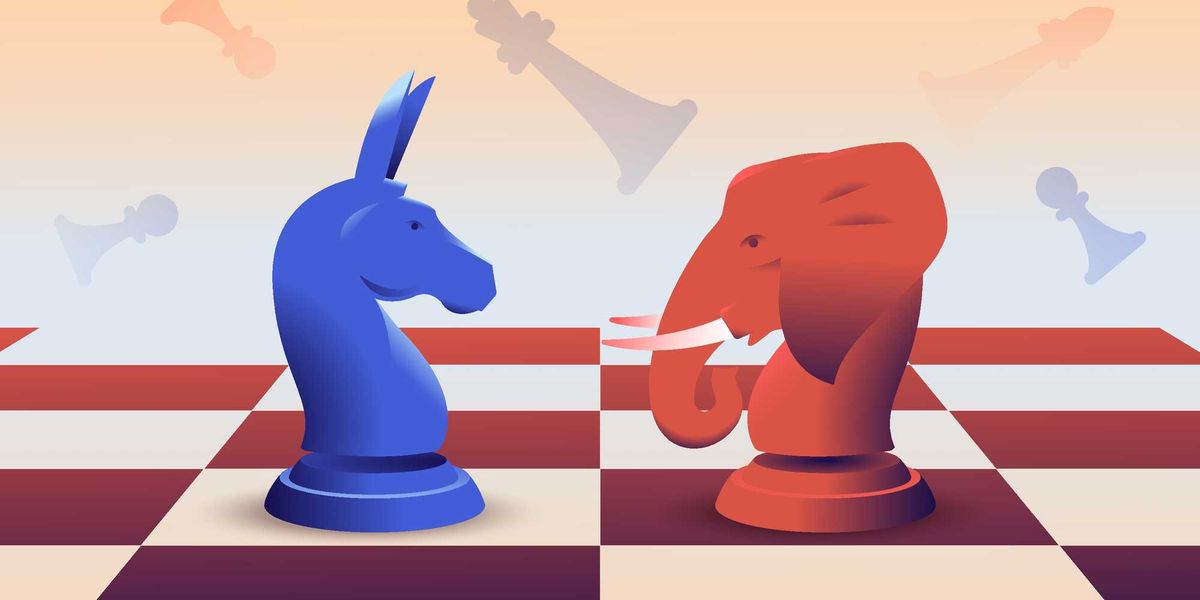
The noise around Election Day can make it feel like the whole country is holding its breath, but the real story goes far beyond a single vote count. Political ads, division, and nonstop talk about winning or losing all feed a bigger mood that hangs over the country long after the ballots are cast.
What makes this moment so charged is not just the race itself, but the way every part of the system seems wired for conflict. Super PACs pour in money, campaigns sharpen the message, and voters are left staring at a flood of attack ads that blur the line between persuasion and panic.
The trouble starts well before the polls close. By the time Election Day arrives, many Americans are already exhausted by the barrage of messaging that frames every contest as a do-or-die battle for the future.
That style of politics does more than annoy people. It deepens the divide, rewards the loudest voices, and turns disagreement into something far more corrosive than a normal clash of ideas.
There is also a darker edge to all of it, one that comes through in the way fear gets used as a campaign tool. Talk of catastrophe, national collapse, and even nuclear war may sound exaggerated, but those images are now part of the political atmosphere, and that says a lot about how far the country has drifted from calm debate.
Instead of encouraging confidence, modern political advertising often runs on dread. Voters are pushed to believe that the other side is not just wrong, but dangerous in some sweeping, almost apocalyptic way.
That kind of messaging is effective because it taps into raw emotion. It is also draining because it leaves no room for a simple, honest discussion about where the country stands and what actually matters in the next election.
President Trump remains a central force in that emotional storm. Whether people support him or oppose him, his presence keeps the political temperature high and makes it harder for anyone to pretend this is a normal cycle of campaigns and results.
The 2026 midterms are shaping up to carry that same heat. Every side knows the stakes are high, and every side is already acting like the outcome will decide more than control of Congress or the direction of a few key races.
That pressure is exactly why Election Day never really ends anymore. The vote may be over in a single night, but the arguments, the blame, the fundraising, and the next round of ads start almost immediately, as if the country has barely taken a breath.
For ordinary voters, that creates a strange kind of political fatigue. They are asked to stay engaged, stay informed, and keep caring, while the system around them keeps turning every issue into a fight and every fight into a spectacle.
Even so, the choices made by citizens still matter in a very real way. The whole machine of modern politics can be loud and ugly, but it is still built around the decisions of people who show up, tune in, and refuse to let the chaos do all the talking.
