
● 9/11 is fading from living memory for a huge share of Americans
● Teachers now include people who never experienced the attacks firsthand
● The promise to “Never Forget” depends on education, not nostalgia
● Memorials and museums keep the history human and immediate
● The legacy of Sept. 12 matters just as much as the tragedy itself
After the Sept. 11, 2001 terrorist attacks, America made a promise that still carries weight: “Never Forget.” For millions who lived through that morning, that vow was personal and unforgettable. For a fast-growing part of the country, though, 9/11 is no longer memory. It is history, and that shift changes the way the story has to be told.
More than 100 million Americans are too young to remember the attacks. Some were not even born yet when the towers fell, the Pentagon was struck, and the nation changed in an instant. They know 9/11 through lessons, photos, documentaries, and the words of others, which makes the job of passing the truth along more urgent than ever.
That gap matters because these Americans are not just students sitting in classrooms. They are firefighters, police officers, service members, parents, volunteers, and, in many cases, the teachers standing in front of the next generation. A classroom can hold someone who remembers the shock of that day and someone who has only read about it in a textbook.
That reality hits hard when you think about high school students now entering the system. Many were born more than a decade after the attacks, and some of their teachers may have been born after 2001 too. In that kind of environment, the memory of 9/11 can easily flatten into a date unless it is kept alive with care, detail, and honesty.
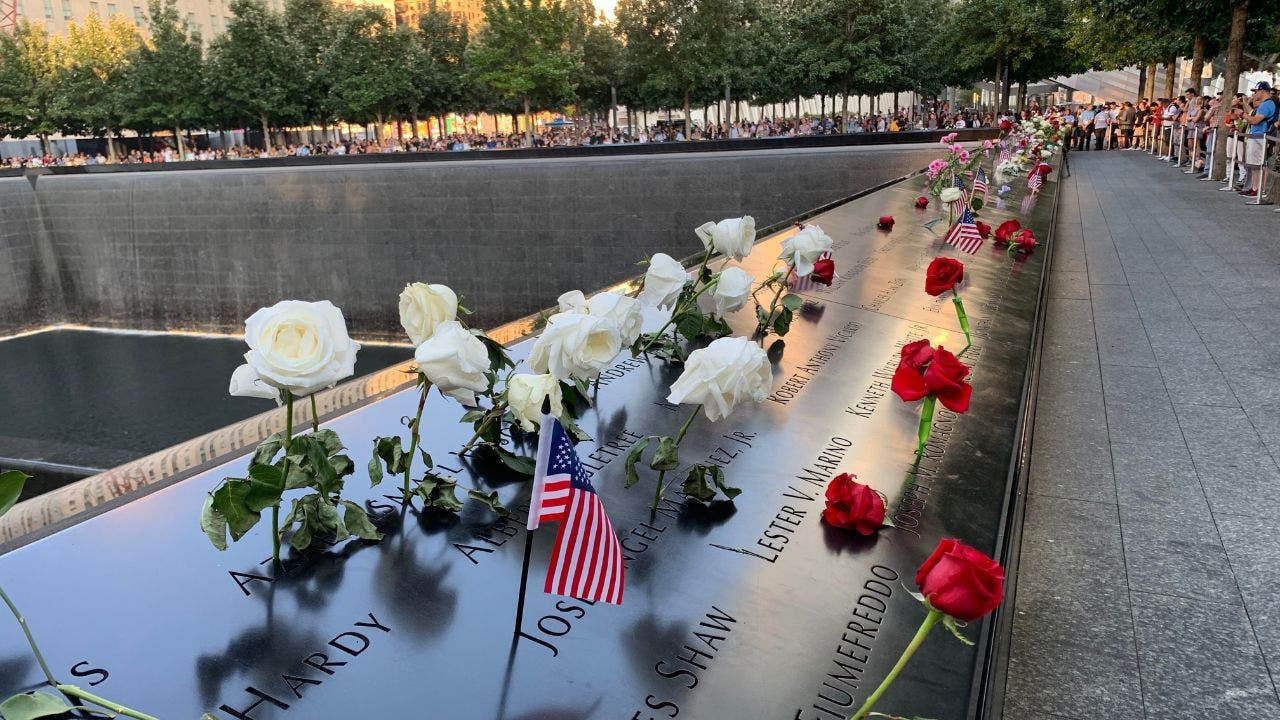
Memorials and museums help stop that from happening. They give people a way to stand with the names, faces, and stories of the 2,977 victims instead of letting those lives turn into statistics. The objects left behind, the twisted steel, and the first-hand accounts from that day do something a page in a book cannot, because they make the loss feel real again.
They also preserve something easy to overlook: the response that followed. Sept. 12 brought out a wave of solidarity, courage, and plain old decency as neighbors raised flags, volunteers rushed to help, and schoolchildren visited firehouses. The tragedy was enormous, but so was the way people pulled together in its aftermath.
That spirit is part of the story too, and it deserves room beside the grief. People from more than 90 countries were killed in the attacks, and people from across the world came to help afterward. In that sense, 9/11 became not only a national wound but also a test of whether compassion could outlast fear.
Still, not everyone can make it to Lower Manhattan to stand in front of the memorial or walk through the museum. That is why outreach matters so much, especially when it reaches young people where they already are. Workshops, lesson plans, online programs, and teacher training can turn distant history into something vivid enough to stick.
Teachers play a special role in that process because they carry the burden of making the past feel immediate. A good lesson on 9/11 is not about memorizing facts and moving on. It is about helping students understand what was lost, what was learned, and why the day still shapes the country’s sense of duty and resilience.
Every summer, educators travel to Lower Manhattan to absorb those stories for themselves. They listen, ask questions, and walk away with a clearer sense of how to explain something many of their students never witnessed. That kind of preparation matters, because a teacher who can speak with confidence can reach a room full of kids who may only know the date, not the human cost.
As the 25th anniversary comes into view, the challenge is not just to remember the attacks. It is to keep alive the meaning behind the promise, including the service, courage, and community that rose from the rubble. The next generation will only carry that forward if the people who remember it best are willing to keep telling the story, plainly and often, until it becomes part of them too.
