
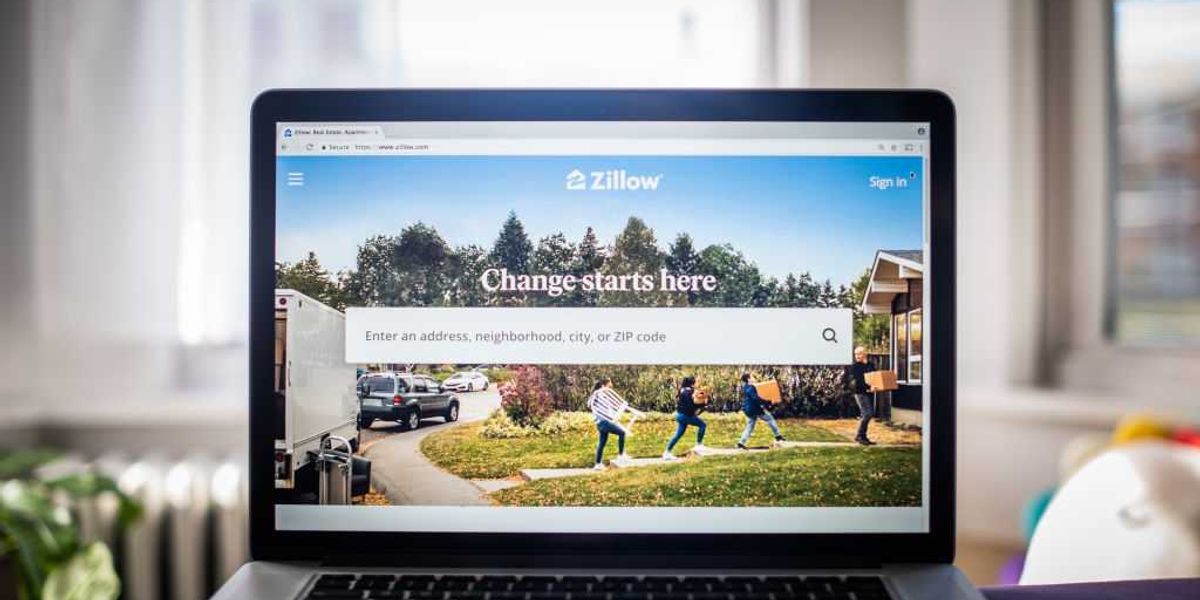
Zillow has become more than just a place to browse listings. For a lot of people, it now sits right in the middle of the hunt for a home, and that kind of power can shape how buyers, sellers, and agents move through the market. When one platform becomes the default doorway to housing, questions about fairness, competition, and control start getting louder.
The bigger issue is not simply that the site is popular. It is that a popular platform can start acting like a gatekeeper, nudging attention, shaping expectations, and collecting outsized influence over a basic human need. Housing is not a luxury good or a social media feed, and that makes the stakes a lot higher when a single company ends up with this much leverage.
For many users, Zillow feels like the first stop in the process because it is easy, familiar, and packed with data. That convenience has real appeal, but it also creates dependency, and dependency is where trouble starts. Once buyers and sellers rely on one channel to track prices, compare neighborhoods, and watch the market move, that channel can quietly become a toll booth on the road to ownership.
That is where antitrust concerns come into focus. Competition law is supposed to prevent any one company from boxing out rivals or using dominance to shape the market in its own favor. If a housing app grows so influential that it can steer traffic, set expectations, or pressure smaller players into the margins, regulators have good reason to take a harder look.
The housing market already has enough friction without adding another layer of control from a tech middleman. Rising prices, tight inventory, and years of affordability stress have made the path to a home feel brutal for millions of families. When access to listings and market visibility is filtered through one powerful platform, the problem stops being just about convenience and starts looking like structural power.
Real estate has always been local, messy, and relationship-driven, but digital platforms have changed the game. The promise was simple: more information, more transparency, and fewer barriers. Yet the flip side of that promise is concentration, and concentration can turn a helpful tool into a major choke point if nobody checks it.
That is why the debate around Zillow is really a debate about what kind of market should exist in the first place. Americans generally like innovation, but they also know the difference between a useful service and a system that quietly crowds out competition. When a company becomes embedded in the everyday search for housing, it deserves scrutiny, not blind trust.
There is also a cultural piece to this that hits hard. Homeownership has long been tied to stability, security, and the idea that hard work can still lead somewhere solid. If the route to that goal is increasingly controlled by a handful of tech platforms, the dream itself starts to feel less open and a lot more managed.
None of this means digital tools have no place in real estate. They absolutely do, and many of them make the market easier to navigate. But there is a line between helping people find homes and becoming the power center that decides who gets seen, who gets heard, and which competitors get squeezed out of the picture.
That tension is what makes the conversation so charged right now. The market needs innovation, but it also needs guardrails that keep big players from turning basic access into a business moat. When housing gets filtered through one dominant app, the question is no longer whether the platform is convenient, but whether it is healthy for the market and fair for the people trying to live in it.
