
For a quarter-century, the Durban conference has stood as a sour marker of how global institutions can drift from their own stated mission. What was billed as an anti-racism gathering became a stage for grievance politics, anti-Western messaging, and open hostility toward Israel and the West.
The original meeting in South Africa drew some of the loudest anti-American and anti-Israel voices of the era, and its influence did not fade when the cameras left. Instead, the ideas packaged there spread through international bureaucracies, activist groups, campuses, and public institutions, where they were polished up and sold as moral progress.
The United Nations still treats the Durban Declaration as a kind of sacred text, but that language hides the damage baked into the conference from the start. A framework that encourages collective guilt, racial resentment, and civilizational shame does not heal divisions. It deepens them, and then calls the result justice.
That is why the anniversary of Durban has become so controversial. Each new commemoration invites the same tired script, with bureaucrats praising a legacy that many see as fundamentally corrosive. The United States has rejected that script and is pushing others to do the same.
Durban’s most lasting trick was wrapping radical politics in the language of tolerance. Under that banner, it pushed the idea that Western nations should apologize endlessly for history while ignoring the basic principle that all people are equal before God and law. That message may sound academic in a conference hall, but it has real-world consequences when it filters into schools, workplaces, and government policy.
The conference also helped normalize a harsh line against Israel. Calls for isolation, sanctions, and embargoes were not just background noise, they were part of the event’s moral engine. The ugly rhetoric around Israel helped set the stage for later boycott campaigns that spread across Western institutions with alarming speed.
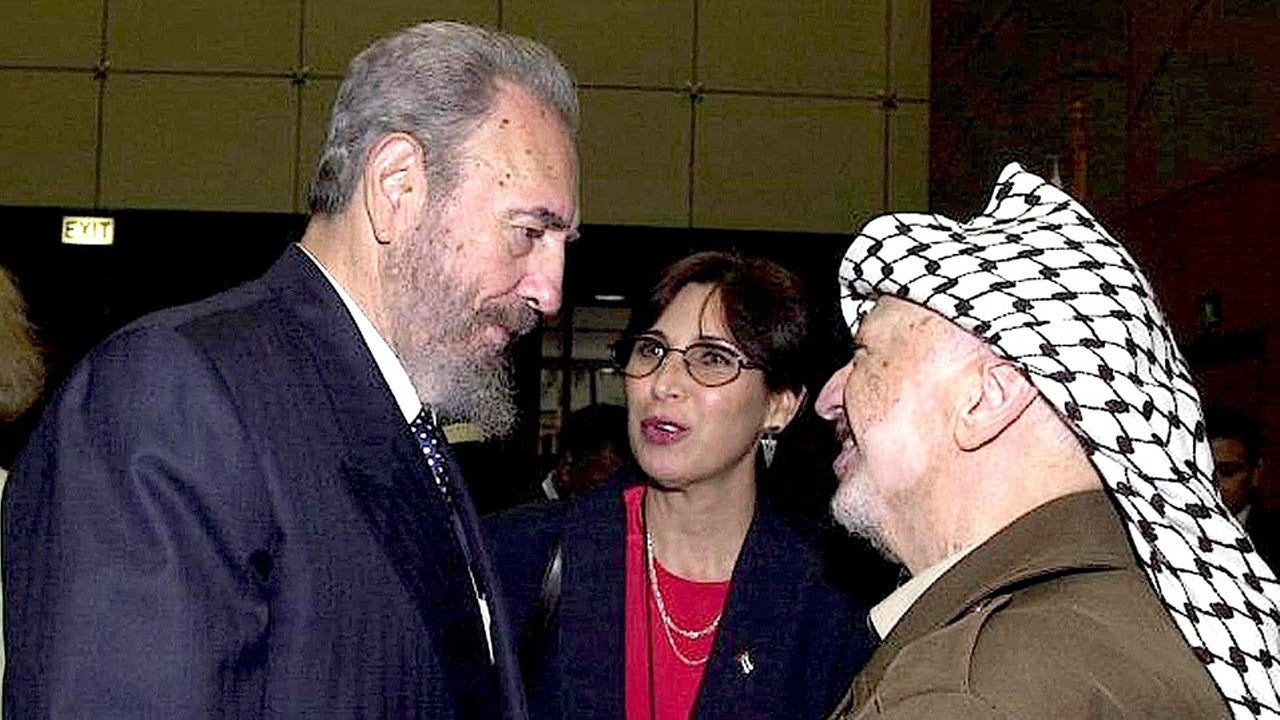
Durban also gave a national and international megaphone to figures who viewed the West as the enemy. Fidel Castro used the platform to attack the West as a system built on conquest, slavery, and exploitation. Yasser Arafat blasted Israel as a racist colonial power, while outside protesters pushed even darker material and chanted vile slogans that exposed the hatred under the surface.
The United States walked out for a reason. The conference was not a bad meeting with a few awkward moments, it was a public unveiling of a worldview that treats Western civilization as a moral crime scene. Once that mindset was blessed by the U.N., it became easier for extremists to move from the margins into the mainstream.
That shift did not stay inside conference rooms. It traveled into universities, boardrooms, city halls, and advocacy networks, where it began shaping speech codes, hiring pressures, activism, and public debate. People who resisted the new orthodoxy were often labeled ignorant or intolerant, while those who repeated the fashionable slogans were praised as enlightened.
The result has been a steady loss of confidence in the institutions that were supposed to promote peace and fairness. The United Nations looked weaker every time it leaned back into Durban-style politics, because the posture said more about moral theater than actual problem-solving. When an organization claims to fight hatred while giving oxygen to hatred, trust starts to evaporate fast.
There is also a broader cultural cost. A society that teaches people to feel ashamed of their own heritage does not build unity, it builds resentment. Americans have no reason to accept lectures from unelected global officials about the legitimacy of their own founding principles.
The better path is plain enough: reject the Durban mentality and stop dressing up ideological hostility as compassion. Allies and partners do not need recycled guilt campaigns, and the U.N. does not need another round of self-congratulation for a conference that helped spread division across the world. The fight now is over whether those institutions will keep rewarding grievance or finally get serious about fairness, stability, and truth.

1 Comment
Scrap Durban Declaration