
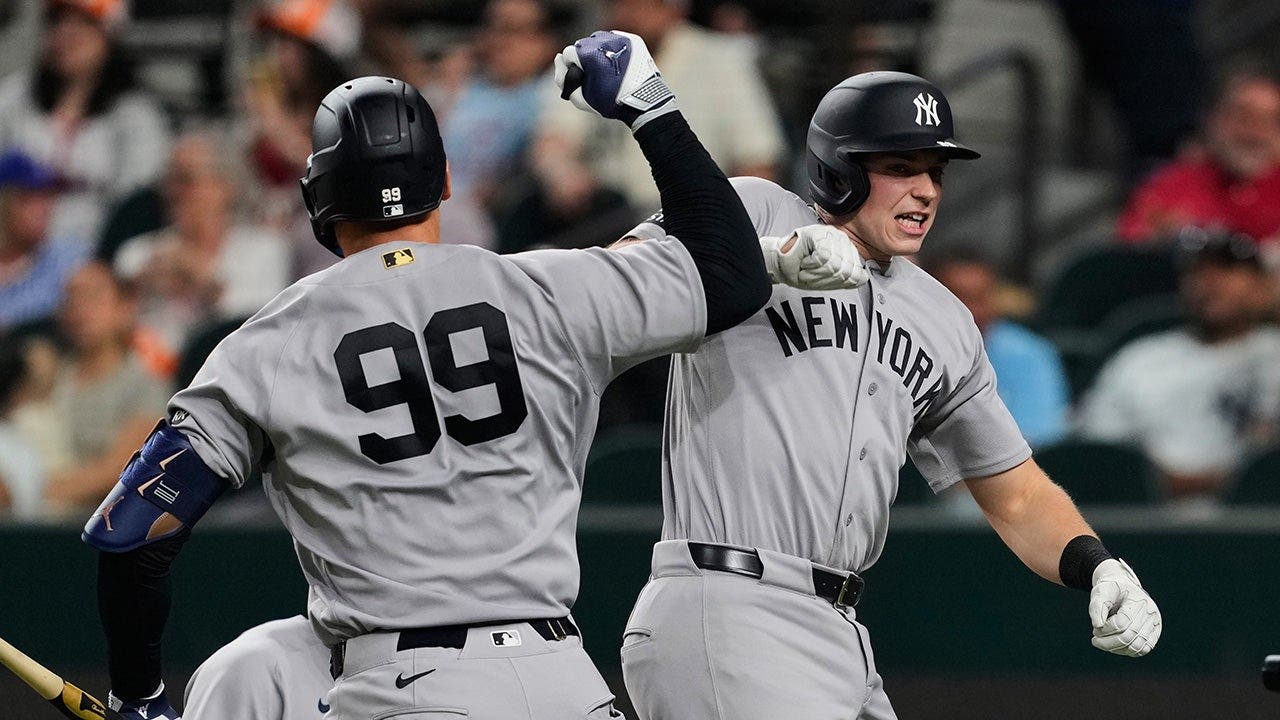
The Yankees have a fresh power headline: two sluggers erupting early and landing in elite company. This piece breaks down how that milestone happened, why it matters to New York’s lineup and pitching matchups, and what it could mean for the rest of the season. Expect clear, punchy takes on momentum, history, and what fans should watch next.
Aaron Judge and Ben Rice have given the Yankees a jolt with their early home run production, turning a typically slow spring start into a surge at the plate. Their power has changed how opposing managers think about pitching around threats in the order. That shift matters in late innings and tight games when a single swing can decide outcomes.
“Aaron Judge and Ben Rice joined Mickey Mantle and Yogi Berra as the only Yankees teammates to each hit at least 10 home runs in the team’s first 29 games.” This is the blunt statistic everyone will talk about, but it also opens a conversation about lineup construction and timing. Two sluggers doing damage together forces opponents to choose between challenging them and handing a free pass to the next batter.
Judge’s presence in the lineup has been a season-long storyline, but pairing him with Rice adds depth beyond the usual singles-and-walks approach. Rice’s ability to drive the ball into gaps and over fences complements Judge’s elite raw power, creating multiple at-bats where the pitcher must navigate danger. That creates more RBI opportunities and can change how bullpen arms are deployed in the middle innings.
Historically, the Yankees have been built on big bats, and this early run of homers resurrects that identity without being nostalgic. Mantle and Berra represent a benchmark of sustained dominance, and matching a milestone linked to them isn’t about legend worship so much as highlighting how rare multi-threat sluggers are in any era. Modern pitching is specialized, so early-season slugging like this is harder to manufacture and therefore noteworthy.
Beyond the headline, there are practical consequences. Opposing pitchers will adjust, likely nibbling more at the edges to avoid meatballs over the plate. That strategy can backfire by increasing walks and elevated pitch counts, which benefits the Yankees’ lineup depth. It also creates better opportunities for situational hitters and pinch-hitters later in games.
From a clubhouse perspective, early run production builds belief. Baseball is a momentum sport, and a string of big hits can lift a team’s confidence in close games and long series. Managers take that intangibly into account when setting lineups and deciding whether to ride a hot bat or rest it for matchup advantages.
There are caveats: hot starts don’t guarantee season-long dominance and pitchers will counter with data-driven plans. Scouting reports accumulate fast, and once a weakness is discovered, adjustments follow. Still, establishing a power precedent in the first month forces teams to spend time and effort on counters instead of simply exploiting other Yankees’ weaknesses.
For fans, the thrilling part is immediate: extra-base hits, highlight plays, and the potential to change game narratives in a single swing. For analysts, it’s a prompt to reassess projections and lineup protection. Either way, early power from two frontline bats gives the Yankees a clearer plan for how to attack opponents and protect leads.
The key now is consistency and health. If Judge and Rice can avoid slumps and keep delivering, those early home runs will compound into sustained run production. If adjustments from pitchers slow them down, the Yankees still benefit from the defensive and roster attention those bats command, which opens space for others to make plays.
