
The latest research ties ultraprocessed foods to slips in attention and higher dementia risk, and experts warn that small daily swaps can protect the brain; this article looks at the study, what clinicians are saying, and simple food swaps you can make to keep your cognition sharp.
A team in Australia looked at diet and thinking skills in adults aged 40 to 70 and found a clear pattern: more ultraprocessed food meant worse attention scores and a higher risk of dementia. The link held even for people who otherwise ate healthily, including those following Mediterranean-style patterns. The researchers flagged food processing itself as a factor worth addressing in dietary guidance.
The broader evidence on ultraprocessed foods already shows harm across many systems, from heart disease to diabetes and obesity. Those conditions are known contributors to cognitive decline, so the diet-brain connection fits into a larger health picture. The study reinforced that, showing a measurable cognitive difference tied to ultraprocessed intake.
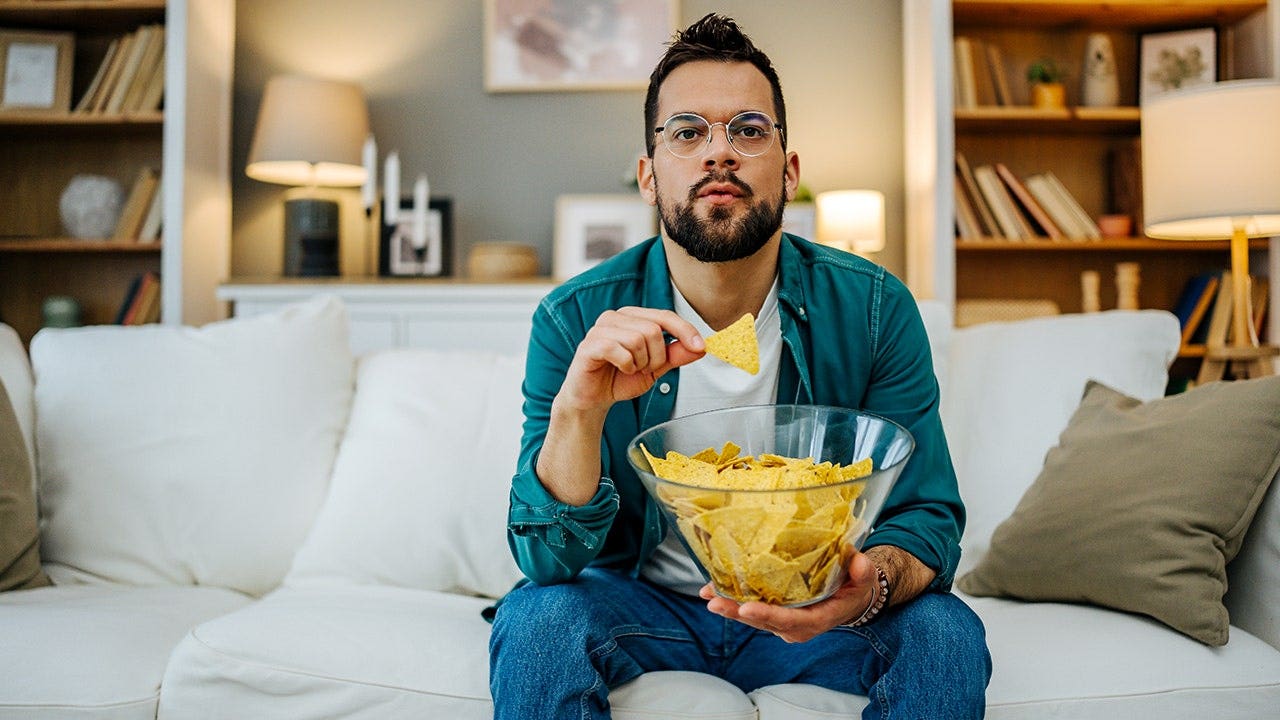
Experts stress that self-reported diets are a limitation, but the signal was strong enough to raise concern. Even a modest rise in ultraprocessed calories — about a pack of chips a day — correlated with lower attention in the sample. Attention matters because it’s the brain’s gateway to learning and decision-making, so small changes add up.
Dr. Daniel Amen put it bluntly: diet has a “powerful impact” on the brain. He reminded readers that “Your brain is an energy-hungry organ,” he said. “It uses about 20% of the calories you consume, so the quality of those calories matters.”
He framed food choices sharply: Food is either “medicine or poison,” according to the doctor, who called out ultraprocessed foods like packaged snacks, soft drinks and ready-made meals that tend to be higher in sugar, unhealthy fats, additives and low-quality ingredients. Those industrial products can drive inflammation, insulin resistance, poor blood flow and oxidative stress — all harmful to brain tissue.
The study noted that attention, not memory, showed the clearest link to ultraprocessed intake in this group, which is important and actionable. “If you can’t focus, you can’t fully encode information,” Amen said, underscoring how attention problems ripple into learning and daily performance. That makes simple prevention steps more worthwhile.
Amen’s advice is straightforward: favor whole foods and avoid things “made in plants” when possible, meaning food manufactured in factories rather than grown on farms. “The big takeaway,” according to the doctor, is to “love foods that love you back.” He recommends building plates around vegetables, fruits, clean proteins, healthy fats, nuts, seeds and fiber-rich carbs.
He suggests one practical move: replace a single ultraprocessed item each day with a healthier choice. “Start by replacing one ultraprocessed food per day with a brain-healthy option.” Swap chips for nuts, soda for water or unsweetened green tea, and packaged sweets for fresh berries to begin shifting your pattern.
Small changes done consistently matter because they reduce the metabolic and vascular stressors that feed cognitive decline. “Small choices done consistently can change your brain and your life,” the doctor emphasized. Over time those tiny swaps add up to lower inflammation and better blood flow to the brain.
For people with family histories of dementia or existing risk factors like diabetes and high blood pressure, diet should be a frontline defense rather than a side note. “If you have a family history of dementia, memory concerns, diabetes, high blood pressure or weight issues, your diet is not a side issue – it’s a primary brain-health intervention,” Amen said. Early, steady attention to what you eat gives you leverage against future decline.
“Remember, you’re not stuck with the brain you have. You can make it better, and it starts with the next bite.” That line captures the practical optimism here: research shows risk can be shifted, and real-world steps are simple enough to start today. Pick one swap, stick with it, and let your next choices work for your brain.
