
The WWE rolled out a star-packed Hall of Fame class of 2026 at Dolby Live in Las Vegas, and the night was a mix of spectacle, nostalgia and headline-grabbing choices. Big names like AJ Styles, Stephanie McMahon and Dennis Rodman took center stage, drawing a crowd that oscillated between loud applause and heated debate. The event felt like a live snapshot of wrestling’s present and its complicated past, delivered with Vegas-sized flair.
Dolby Live hummed with anticipation from the moment fans filed in, a bright arena where every entrance felt cinematic. Chants, signs and the roar of longtime supporters set the tone for an evening that treated history like a main event. Production values were high, leaving little doubt WWE wanted this night to read like a milestone.
AJ Styles got the wrestling-focused ovation most expected, and for good reason: his in-ring resume spans continents, promotions and a steady stream of headline matches. The ceremony framed him as a worker’s worker, a guy whose craft carried him from club shows to global main events without losing credibility. For many fans, his induction staked a claim that elite performance still matters above all.
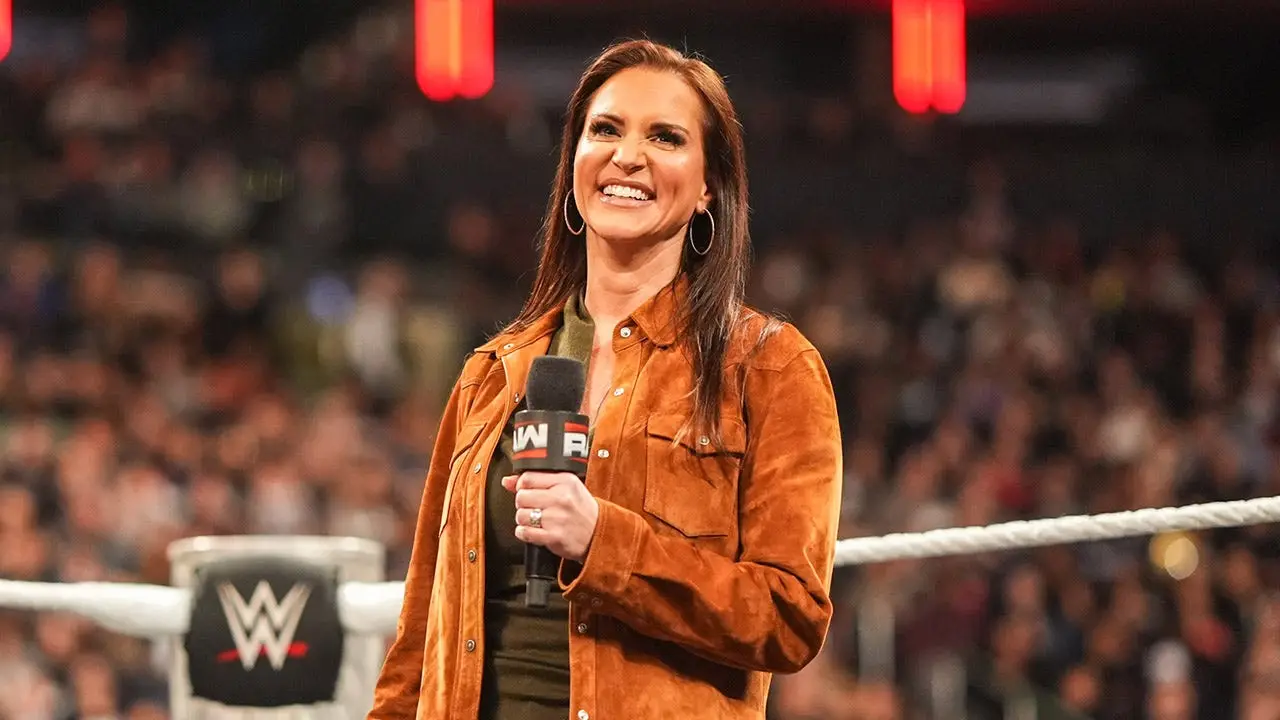
Stephanie McMahon’s induction brought something different: the corporate architect of modern WWE honored in front of a crowd that knows both her boardroom moves and her on-screen presence. Her role mixes family legacy and executive leadership, which makes reactions complex and vocal. Whether applauded or questioned, her elevation underscored how business and storytelling have merged in pro wrestling’s growth.
Dennis Rodman’s appearance reminded everyone that WWE is entertainment at the intersection of pop culture and sport. His larger-than-life persona translated easily to the Hall of Fame stage, where celebrity draws matter as much as technical accolades. Rodman’s presence highlighted how outside icons can amplify wrestling’s reach and give the brand cultural cachet beyond its core audience.
The speeches and video packages stitched together emotion, ego and a few surprise moments that kept the crowd talking between bouts of applause. A mix of industry veterans and unexpected guests showed up to tap into the nostalgia and hype, and selective flashbacks reminded viewers why certain moments still resonate. The night felt as much like a curated memory lane as a vote of recognition.
On the business side, the induction was a clear branding play that will feed TV promos, streaming bumps and merchandise cycles in the months ahead. WWE knows how to turn ceremony into content, and the Hall of Fame weekend is a revenue engine that extends beyond a single night. Smart timing around Las Vegas and peak travel season only amplifies the commercial lift.
Critics found things to gripe about, pointing to perceived inconsistencies in selection criteria and the blurred lines between fame and legacy. Fans debated on social platforms whether celebrity value should match wrestling achievement, and whether certain choices diluted the Hall’s prestige. Those arguments are part of the ritual now, part criticism and part conversation that keeps the brand culturally alive.
For the wrestlers and personalities honored, the stage at Dolby Live was a public marker in long careers filled with peaks and hard miles. The class of 2026 will live on in highlight reels, autograph lines and the archival pages WWE controls, shaping the way future fans look back. As the company moves forward, these inductions become chapters in a story WWE keeps telling to itself and to an eager, divided audience.
