
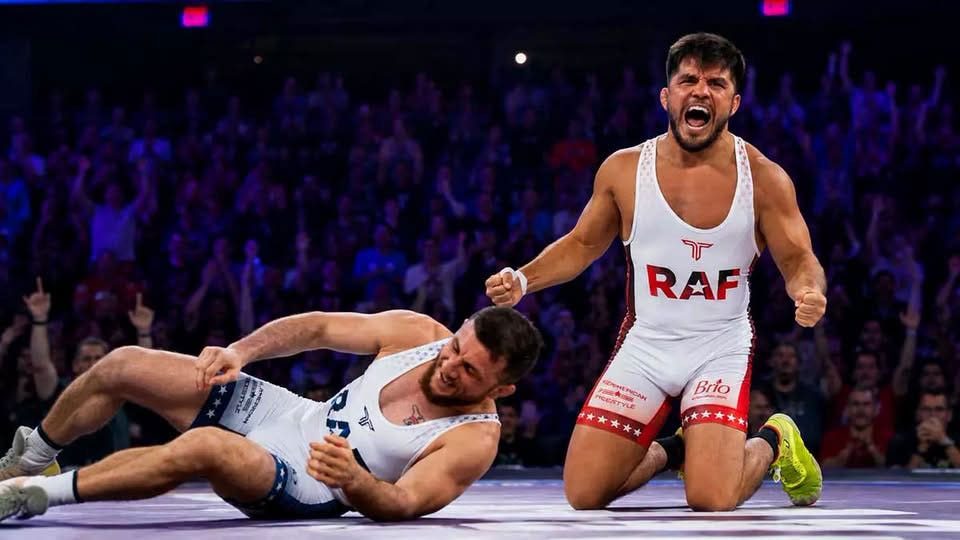
Wrestling has a way of cutting through noise. On the mat, titles and politics fade for a minute, and what matters is grit, discipline, and the respect earned across from a tough opponent.
That is the larger idea behind Real American Freestyle and the push to use sports as a bridge beyond the United States. The sport can still be fiercely patriotic without becoming narrow, because competing abroad is not the same as endorsing another government.
American athletes carry the flag into places where conversations can be tense and assumptions run deep. Showing up with confidence says something powerful: the country is strong enough to compete, and open enough to meet people face to face.
That mindset matters most when the opponents come from countries that do not see eye to eye with America. Staying home may feel safe, but it does not build much. Real influence comes from engagement, not isolation.
The same lesson shows up in the growth of professional wrestling events that travel overseas. Tbilisi, Moscow, and Abu Dhabi are very different settings, but the sport itself creates a shared language rooted in sacrifice, training, and effort.
Wrestlers understand each other fast. They know the long hours, the injuries, the diet, the pressure, and the families who keep the whole thing going. That kind of mutual recognition can soften the edges, even when national pride is still front and center.
History backs that up. American table tennis players helped open the door to China in the 1970s, and wrestling has had its own moments of connection too. The point was never that sports solve international disputes. The point is that they can create room where none seemed to exist.
There is also a practical side to all of this. The United States is heading toward a huge stretch of global attention with the Los Angeles Olympics in 2028 and the Games in Utah in 2034, and those moments will draw the world in. That attention should not end when the ceremonies do.
What happens after the spotlight matters more than the pageantry. Coaches, clubs, and athletes can keep building ties long after the final whistle, but only if they keep visiting, training, and competing with one another instead of treating each trip like a one-off photo op.
Youth wrestling fits into that picture too. When young athletes travel, they do more than chase medals. They get a firsthand look at another culture, another training room, and another way of life, and those memories tend to stick.
Not every family can send a child halfway around the world, which is why local clubs matter so much. They are the pipeline that turns raw talent into lasting relationships, and they can make those international moments feel reachable instead of reserved for a select few.
That is where sports can become more than entertainment. They can become a habit of meeting people where they are, respecting the effort it took to get there, and competing hard without losing perspective. A country does not need to agree on everything with the rest of the world to show strength, and sometimes the clearest sign of confidence is simply stepping onto the mat.
