
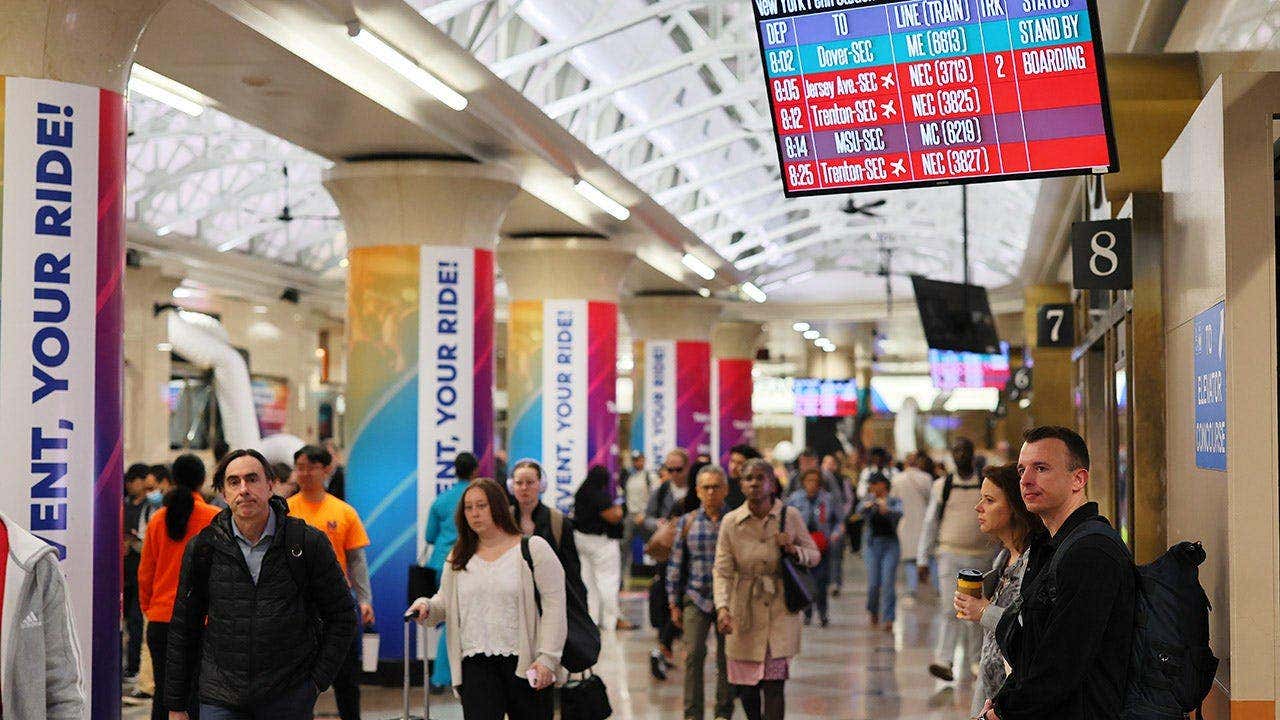
NJ Transit quietly trimmed the roundtrip fare for World Cup trains to MetLife Stadium, dropping the price from $150 to $105 after lining up private sponsor support, and that move reshuffles the travel math for fans and operators alike. This change touches ticket affordability, crowd control, transit funding and the broader game-day experience, all while putting a spotlight on public-private partnerships. The following paragraphs unpack what the fare shift means on the ground, for riders, and for the agency juggling capacity and costs.
The most obvious outcome is relief at the turnstile. A $45 drop on roundtrip service can convert hesitant travelers into riders, and when thousands decide to board instead of drive, traffic snarls and parking headaches can ease for local neighborhoods. Cheaper train fares also make attending multiple matches more feasible for families and budget-minded fans who were priced out before the subsidy.
Behind the scenes, securing private sponsor dollars changes the financing picture for NJ Transit. Instead of relying solely on fare revenue and public subsidy, the agency accepted external funding to lower the sticker price while still covering operational costs. That kind of arrangement can be a pragmatic solution for one-off, high-demand events where fixed costs spike and capacity must be guaranteed.
Operationally, running World Cup service to MetLife Stadium is a heavy lift. NJ Transit must assemble crews, extend maintenance windows, and schedule extra trains to handle surges, all of which pushes cost beyond normal daily operations. Sponsors are stepping into a gap where predictable revenue is hard to estimate but the need for dependable transit is nonnegotiable.
From a demand perspective, transport pricing affects behavior in tangible ways. Lower fares can speed boarding times by reducing payment friction and can encourage modal shifts away from single-occupant vehicles. When more fans use public transit, local roads, toll plazas and stadium lots feel the benefit, and emergency response planning becomes simpler because large volumes funnel into known transit corridors.
There are equity angles to consider too. Big events often amplify existing disparities around access and affordability, and targeted fare relief helps broaden who can show up. Private funding that subsidizes travel can effectively democratize attendance, allowing people who rely on mass transit to participate without absorbing disproportionate travel costs.
Critics will raise questions about transparency and precedent. When private money shores up public fares, the public deserves clarity on who is paying, how long the subsidy lasts and whether similar deals will be offered for other events. Clear reporting and accountability guard against ad-hoc choices that create unequal treatment across different rider groups.
Another issue is crowding and capacity management. If demand jumps suddenly because of lower fares, NJ Transit has to make sure it can move people safely and punctually. That means choreography with security teams, station staff and the stadium to avoid bottlenecks that undercut the gains from cheaper tickets.
Economic ripple effects matter as well. More people taking trains to the stadium can boost local spending on food, transit-adjacent retail and services near stations, creating a small economic lift for the communities involved. Those gains are part of the calculus for sponsors who underwrite fares; they often see value in increased foot traffic and positive brand association.
For riders thinking about return trips, reliability remains the currency. A lower fare is only worth it if trains run when promised and platforms don’t become unsafe choke points. NJ Transit’s reputation depends less on the price of a ticket and more on consistent, well-executed service that gets people home after the final whistle.
Looking forward, this experience could inform future event transit planning across the region. Agencies and private partners might create templates for temporary fare relief, combining marketing outreach with operational guarantees to scale service efficiently. That kind of playbook could be useful for other high-demand moments that strain regular transit budgets.
At its core, the fare drop to $105 roundtrip for World Cup service is a test case in how public transit adapts to big, short-term demand. It shows how sponsorship can offset costs, nudging behavior and potentially improving the travel experience for thousands. The real measure will be in the logistics and transparency that follow, proving whether cheaper rides translate into smoother, safer journeys for everyone involved.
