
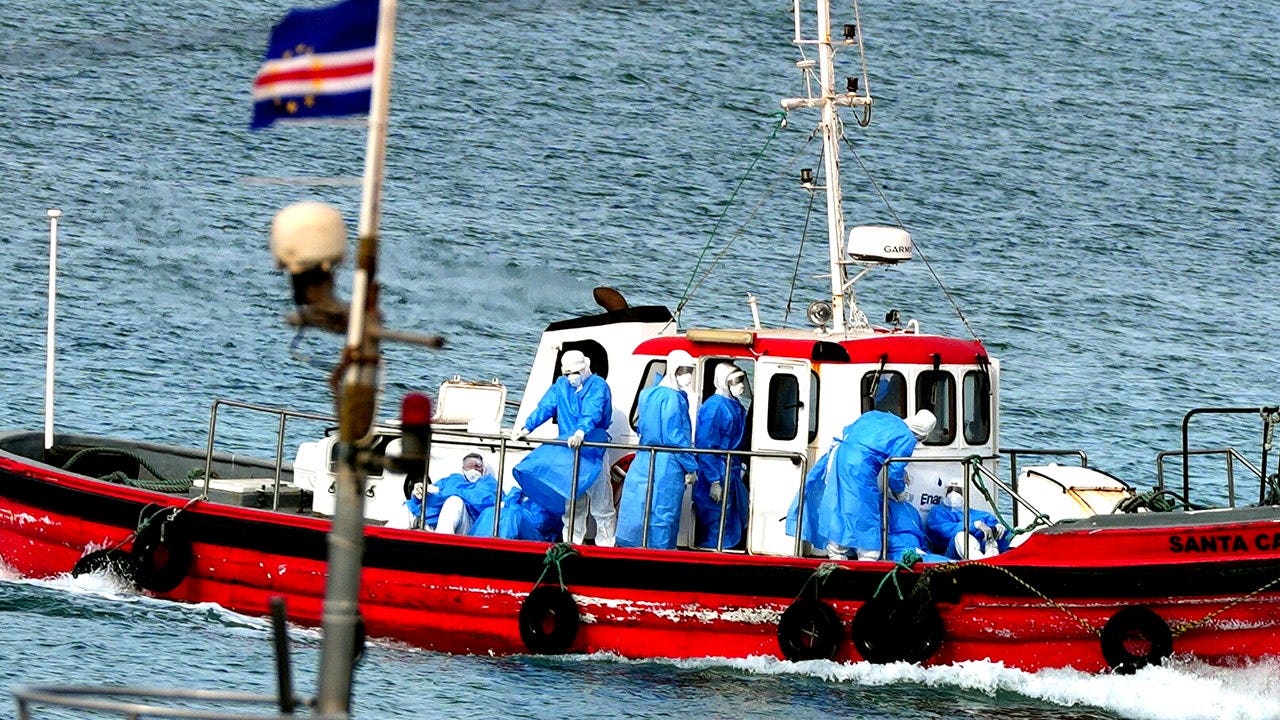
The hantavirus cases on the MV Hondius have raised alarm, but context matters: this outbreak involves the Andes strain, which behaves differently from COVID, spreads mostly from rodents, and rarely passes between people. This article breaks down what we know about the ship cluster, how Andes differs from other hantaviruses, what studies say about human-to-human spread, and sensible steps health officials should take now.
Fear travels fast on a cruise ship, and headlines about deaths make that panic worse. Still, it helps to separate emotion from biology: hantaviruses are a diverse family of rodent-borne viruses with very different transmission traits than respiratory pandemic viruses.
The MV Hondius outbreak — eight confirmed infections with three fatalities — has a plausible origin story tied to travel in the Andes region. The Andes strain of hantavirus can produce hantavirus pulmonary syndrome, a severe illness, and that fact explains the higher fatality seen in this cluster compared with the more common strains in North America.
Comparisons to early COVID outbreaks on cruise ships are understandable but misleading, because the two viruses are not alike in how they spread or in their population impact. SARS-CoV-2 is a highly contagious respiratory virus that readily transmits through aerosols, while hantaviruses are primarily transmitted from rodents to humans via contaminated droppings, urine, or saliva, with person-to-person spread a rare exception.
One major question is whether the virus arrived on board via an infected rodent or an infected person who had recently been exposed on land. Reports that a couple may have picked up the virus while bird watching in Argentina, Chile and Uruguay suggest a rodent exposure scenario, and if onboard transmission did occur among passengers, it would be an unusual case worth careful investigation.
Crucially, the Andes strain is one of the few hantaviruses linked to human-to-human transmission, but the frequency is low and context-dependent. A Chilean study found tiny spread among household contacts and higher, though still limited, spread among sexual partners, and a later Argentine investigation documented a cluster. That report states exactly: “From November 2018 through February 2019, person-to-person transmission of Andes virus (ANDV) hantavirus pulmonary syndrome occurred in Chubut Province, Argentina, and resulted in 34 confirmed infections and 11 deaths.”
On a continental scale, hantavirus remains a rodent problem more than a human one. In the United States, only about 15 to 50 cases occur annually and the Americas overall see 150 to 300 cases a year. By contrast, Europe and Asia report many more infections, but those strains rarely, if ever, spread between people.
The practical takeaway for travelers and public health teams is straightforward: avoid exposure to rodent droppings and nesting sites, and treat any potential human contacts with care if an Andes case is involved. The incubation window can stretch for weeks, so monitoring and isolation decisions should reflect that slow timeline rather than reflexive mass hysteria.
Authorities on and off the ship should act promptly: isolate suspected cases, trace close contacts, and use strict cleaning protocols to clear any environmental contamination. Quarantining passengers and crew, enforcing cabin isolation, and applying rigorous disinfection before disembarkation are sensible steps given the long incubation period and potential severity of HPS.
At the lab bench, virologists need to sequence the viruses from these patients to check for any genetic shifts that might affect transmission, severity, or diagnostic detection. Gathering solid genetic data will calm speculation and give public health officials the evidence they need to fine-tune guidance for other ports and regions.
Meanwhile, media outlets and health communicators should aim for calm, clear messaging that emphasizes how hantaviruses typically behave and what realistic risks look like. Panic can outpace the pathogen, so responsible reporting and measured public health action will do more to protect people than alarmist headlines ever could.
