
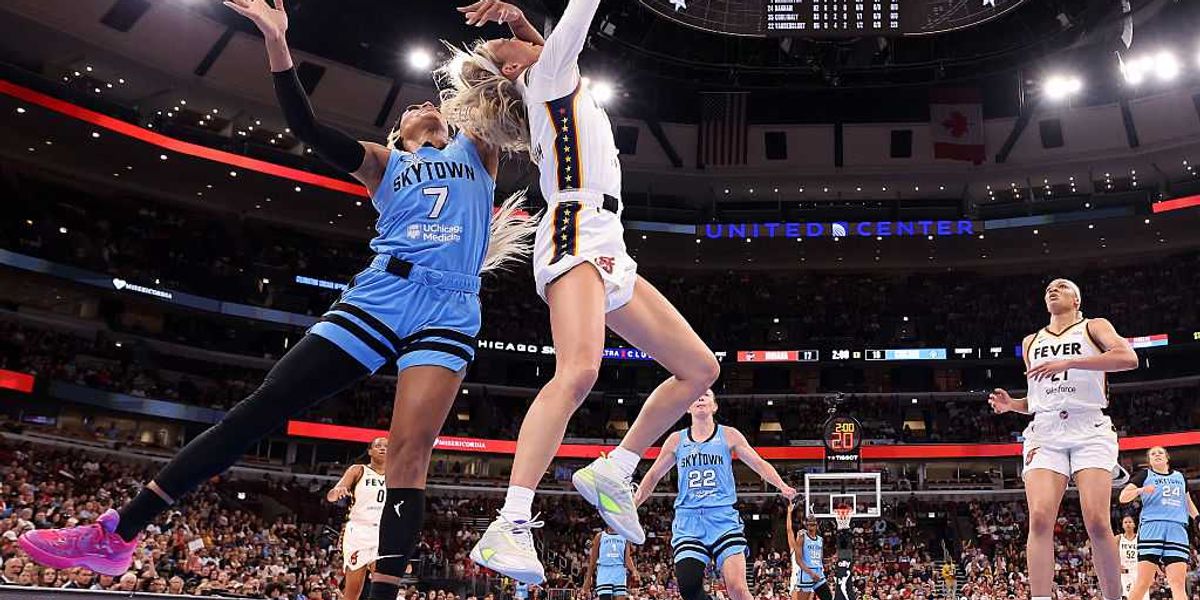
When a sports debate turns into a lesson in ideology, the fallout says as much about the culture as it does about the game. The latest uproar around the WNBA has stirred up talk about race, privilege, and how quickly a hard foul can get filtered through politics instead of common sense. What should have stayed in the lane of competition has instead spilled into a broader fight over identity, accountability, and the new habit of turning every controversy into a moral sermon.
In the middle of it all sits a familiar modern pattern: some people want every outcome explained by race, class, or power, while others just see a bad play and move on. That divide has become especially loud in higher education, media commentary, and professional sports, where ideological language often shows up faster than honest judgment. The result is a debate that feels less about fairness and more about who gets to define reality.
The flashpoint comes from a scene that many fans would have recognized instantly as the kind of rough, emotional contact that happens in basketball. Instead of treating it as part of the sport, the reaction quickly drifted into accusations and cultural analysis. Once that happens, the conversation stops being about the actual moment on the floor and starts becoming a referendum on who is allowed to feel offended, who must apologize, and who gets painted as the villain.
That’s where phrases like “white privilege” enter the picture, not as careful arguments but as instant verdicts. The phrase has become a catch-all weapon in public life, used so often that it can flatten context and shut down real discussion. In sports, where toughness and physicality are baked into the action, that kind of language can feel especially detached from reality.
It also reflects a bigger problem with identity politics. The moment every disagreement gets sorted into racial boxes, basic standards get pushed aside, and people stop asking the simplest question of all: what actually happened? That shift has been building for years, and it has only gotten louder in environments shaped by diversity, equity, and inclusion programs that reward certain narratives while punishing dissent.
None of this means racism is imaginary or that ugly behavior should be waved off. It means the term should be reserved for real cases, not deployed as a reflex whenever emotions run hot. When everything is racism, the word loses force, and the public gets trained to react first and think later.
Professional women’s basketball has become a perfect stage for this tension because the league has grown fast and brought in a flood of attention. With that attention comes celebrity, tribalism, and the kind of commentary that can turn a single incident into a national shouting match. Fans who came for competition are left watching culture-war theater instead.
The whole episode also exposes how quickly some institutions fold under pressure. Universities, corporate boards, and media outlets have spent years encouraging language that sounds sophisticated but often creates confusion instead of clarity. Stanford and similar institutions helped normalize a vocabulary where every clash can be framed as oppression, and now that mindset shows up everywhere, from classrooms to courtrooms to locker rooms.
Sports still works best when people are honest about what they’re watching. A hard foul is a hard foul, trash talk is trash talk, and not every heated exchange needs to be turned into a thesis on American society. When the public gets that much clarity, the noise drops, the standards rise, and the game gets to breathe again.
