
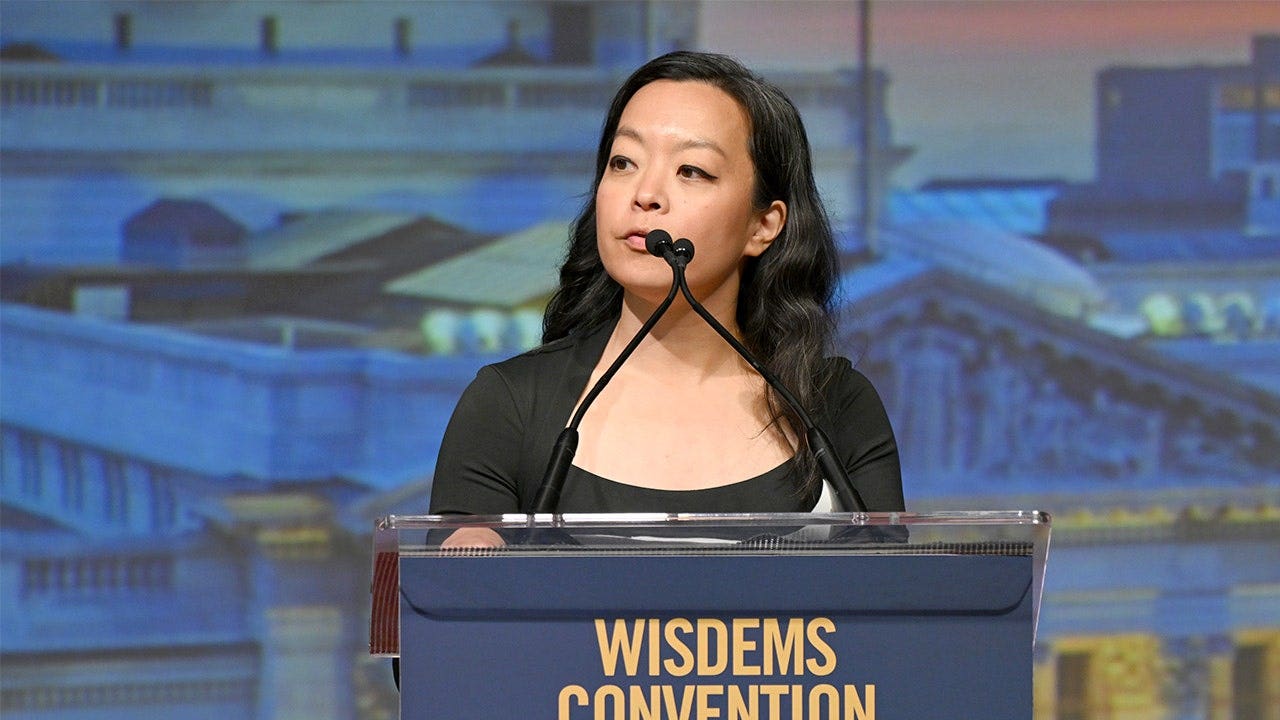
Wisconsin and Minnesota have become the latest pressure points in the Democratic Party’s internal fight, with the left flank surging just as moderates warn the general election could get a lot uglier. In Wisconsin, Francesca Hong has ridden a wave of progressive energy into the governor’s race, while Minnesota’s Senate battle is shaping up as another test of how far the party wants to lean into the socialist lane. The stakes are not subtle: control of the Senate, control of a governor’s office, and maybe the direction of the whole party.
Hong’s rise has put a sharp edge on the Wisconsin contest. A state lawmaker and Democratic Socialists of America member, she has drawn support from loud national progressives while also stirring anxiety inside her own party, especially among Democrats who worry she hands Republicans an easy target. Her message is built around big promises like paid leave, a higher minimum wage, and a temporary stop on AI data centers, but the baggage from old social media posts keeps coming back into the spotlight.
Those past comments have become a major issue, and Hong has spent plenty of time trying to blunt the damage. She has said she no longer backs defunding or abolishing police, and she has also walked back her 2020 remarks about canceling Thanksgiving, saying she has changed her mind and moved on. That kind of cleanup tour may calm some nerves, but it has not erased the fact that voters are looking at a candidate whose online history keeps setting off alarms.
Republicans see a gift. Tom Tiffany, the GOP front-runner in Wisconsin, has made no secret of the argument that the state could become a hard stop for socialism, and that message lands well in a battleground where every little shift matters. The Republican side is betting that if Hong wins the nomination, the general election becomes a cleaner fight for them, especially with outside groups already pouring money into the primary to boost her as the weaker Democrat.
That tension is part of a broader party problem, not just a Wisconsin problem. In Minnesota, the Senate primary is also pitting a progressive favorite, Peggy Flanagan, against a more moderate Democrat in Angie Craig, and the split tells the same story: the activists want a louder, harder left message, while the old guard worries about what that costs in swing territory. With a Senate seat open and Democrats trying to hold ground, the choice matters far beyond one state line.
Flanagan comes into the race with heavyweight progressive backing, but that does not make the path easier. Minnesota has gone a long time without electing a Republican to the Senate, yet a nominee who turns too far left can still change the math in a state that looks blue but never fully sleeps on the GOP. Republicans are hopeful that a more polarizing Democratic ticket gives them just enough breathing room to make a serious run.
The Wisconsin governor’s contest has also been reshuffled by candidate exits and re-entries, which only adds more chaos to an already messy primary. Democrats who want a more cautious, electable nominee are watching closely, because they know the fall race could quickly become a referendum on whether the party learned anything from recent bruising fights. If the nominee feels too extreme to suburban and independent voters, the whole general election map gets harder for Democrats.
That is exactly why the national right keeps watching these primaries with interest. A stronger progressive brand may fire up activists, but it also gives Republicans a sharper contrast, one they are eager to use in ads, speeches, and debate prep. In swing states, style matters almost as much as policy, and candidates who sound like they are speaking to a narrow faction can end up shrinking their own lane fast.
Meanwhile, the turnout story in places like South Carolina, Connecticut, Vermont, and Alabama shows just how much is happening at once across the country. Trump’s endorsement still carries weight in Republican primaries, but it has not been automatic magic in every race, and Democratic governors in blue states are dealing with their own leftward challenges. The whole map feels noisy, aggressive, and unsettled, which is exactly what makes these early August contests so revealing.
For Democrats in the Midwest, the choice now feels bigger than one nominee or one election night. The party can keep drifting toward the activists who want bigger promises and more confrontation, or it can try to steady itself with candidates who look safer to voters who decide general elections. The problem is that the two sides are no longer pretending the divide is small, and the next few primaries will show just how much damage that split can do.
