
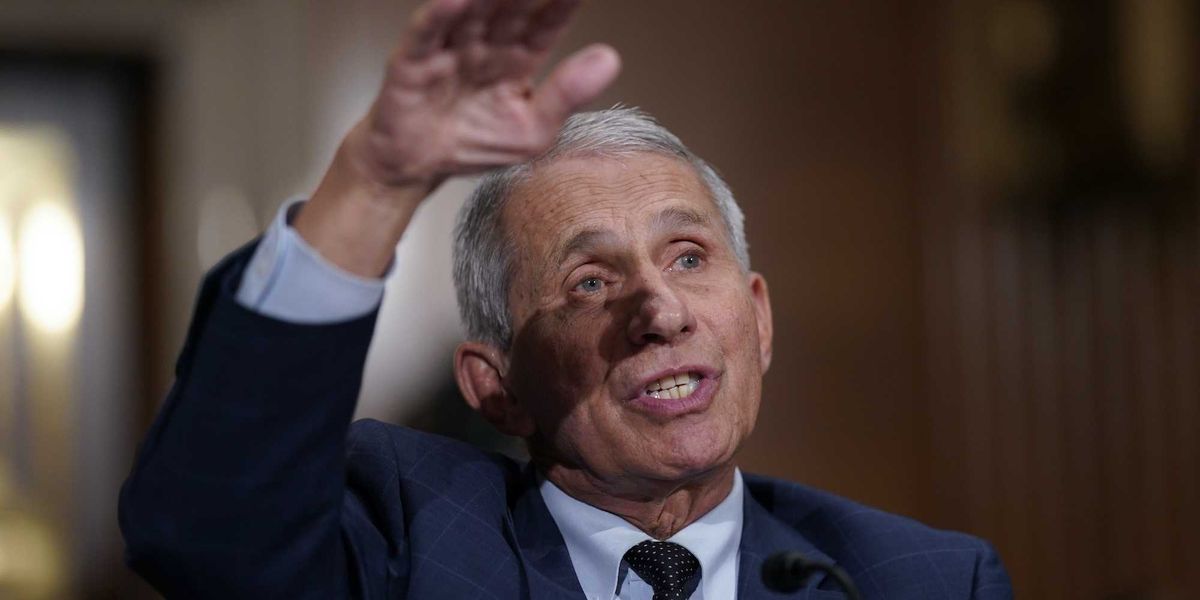
A batch of newly surfaced text has renewed a heated debate over the COVID vaccine narrative, especially the gap between what officials said publicly and what later came out in private messages. The most explosive part is the suggestion that concerns were discussed behind closed doors while confidence was pushed out front, leaving plenty of people wondering who really knew what, and when.
The newly released Fauci text has put a sharp spotlight on vaccine safety claims, with the conversation centering on whether important risks were minimized as the public was urged to trust the shots. That tension matters because once people believe the messaging was carefully managed, it does more than shake confidence in one product. It chips away at trust in the institutions that were supposed to be straight with the public from the start.
One issue drawing attention is miscarriage, a subject that hits hard because it is personal, emotional, and impossible to brush off with slogans. When vaccine policy intersects with pregnancy and family planning, people want clear answers, not vague reassurances that sound good on television but age badly once more information comes out.
That is why the Centers for Disease Control has also been pulled into the conversation. The agency has long presented itself as the steady voice on public health, yet every new round of documents makes people ask whether the warning signs were treated seriously enough or folded into a broader push for compliance.
Dr. Anthony Fauci remains central to the story because his public confidence carried enormous weight during the pandemic. When a figure with that much influence says the vaccine is safe, millions listen, and many assume the underlying evidence is solid and complete. If private text messages suggest a more complicated picture, the fallout is not just political. It becomes a trust problem that can linger for years.
The bigger issue is how these revelations land in an already exhausted country. People saw changing guidance, shifting standards, and a nonstop demand to accept expert opinion on faith, and a lot of them are done giving institutions the benefit of the doubt. Once that happens, even legitimate public health advice gets met with skepticism because the ground underneath it has already cracked.
There is also the blunt reality that vaccine debates are no longer abstract. Families remember the pressure, the mandates, the arguments at work, and the social fallout that came with questioning the official line. So when documents suggest there may have been more concern in private than in public, it feels less like a technical dispute and more like a betrayal that reached all the way into everyday life.
What makes this especially combustible is that the argument is not simply about one message or one comment. It is about whether the public was given the full story while decisions were being made that affected millions of people, including some who were told there was no room for hesitation. That kind of credibility gap does not fade quickly, and every new release keeps the issue alive.
The political side of this is hard to miss either. Republicans have long pushed for more accountability from public health leaders, and these documents hand them fresh fuel to demand answers instead of hand-waving. For voters who already felt the pandemic era was run by arrogance and spin, the latest text messages look less like a surprise and more like confirmation of what they suspected all along.
Even now, the fallout is still unfolding because public trust, once battered, does not bounce back on command. Every new detail adds pressure for transparency, and every unanswered question makes the original assurances sound thinner in hindsight. The documents may be old, but the anger they stir is very much alive, and it keeps dragging the vaccine debate back into the center of the fight.

1 Comment
Never-mind the probes and hearing nonsense! Where are all of the arrests??? Anyone with a clue knows that the Plan-demic was loaded with Crime and so far those Criminals who were and are responsible are skating off into the sunset!
Arrests and Prosecution for High Crimes and Crimes Against Humanity are required NOW!!!