
The 80% rule in electrical design is a straightforward safety guideline: continuous loads should not exceed 80% of a circuit’s capacity. This piece explains where that rule came from, why it matters, how it gets applied in real installations, and a few practical exceptions and modern twists that installers need to watch for.
The 80% idea traces back to the National Electrical Code and long-standing engineering practice aimed at preventing overheating and nuisance trips. In plain terms, a continuous load is one that runs for three hours or more, and the rule builds in breathing room so conductors and protective devices don’t live at the edge of their limits. That breathing room matters because heat is the enemy of electrical components and wiring insulation.
Practically, the rule is used two ways. First, you size conductors so their ampacity is at least 125% of the continuous load, which is the flip side of the 80% limit. Second, you avoid loading overcurrent devices above 80% of their listed rating for continuous loads unless they are specifically listed for 100% continuous operation. Both approaches achieve the same safety margin from different angles.
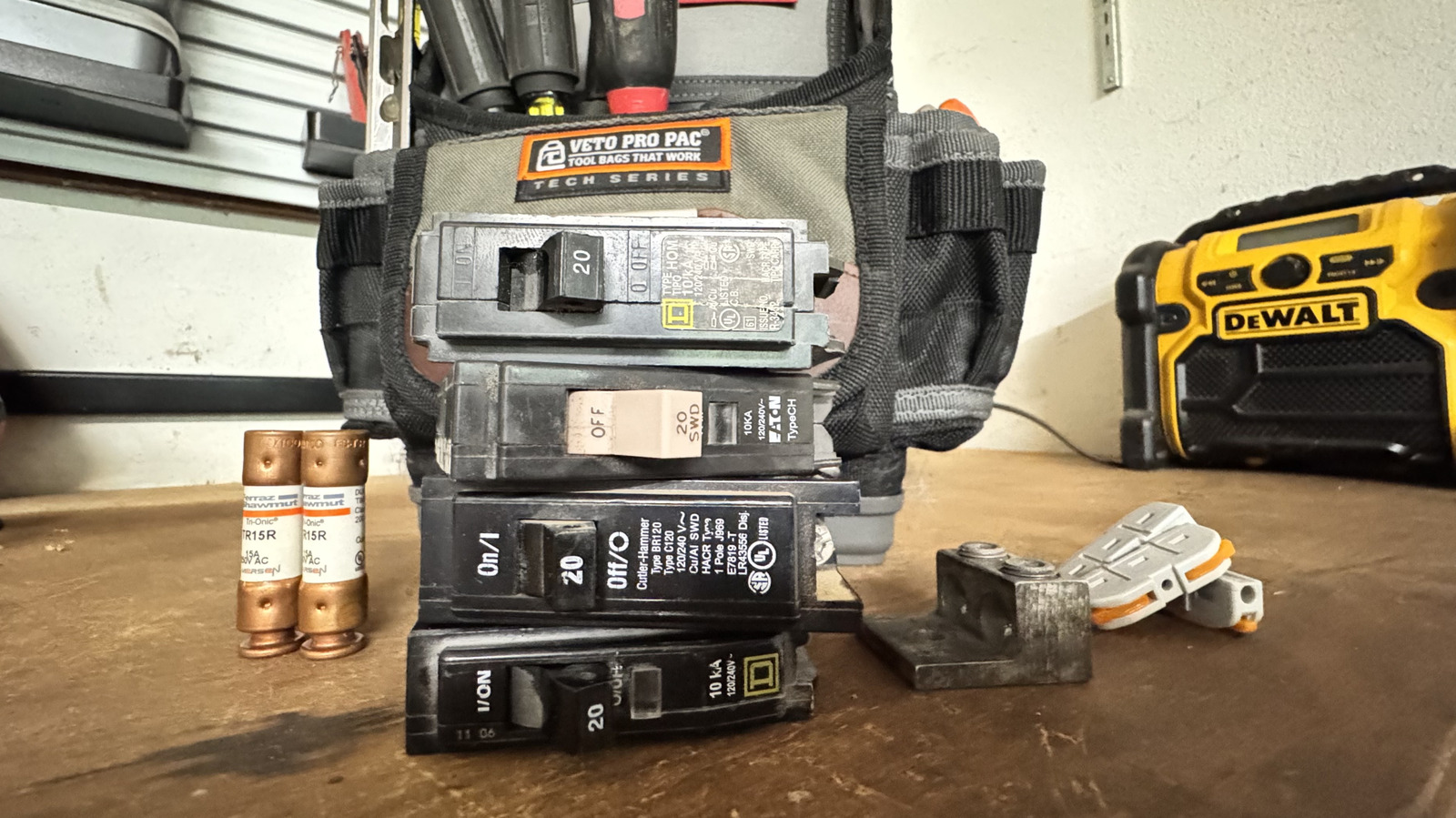
Here’s a quick example to make that concrete. If you have a continuous 16 amp load, you divide by 0.8 and get a conductor or breaker size of 20 amps. Conversely, if you pick a 20 amp breaker, you know the safe continuous carried current is 16 amps. That arithmetic keeps wiring from being pushed into the danger zone for long stretches.
The reason behind the numbers is straightforward: heat rise and trip curves. A breaker or fuse will tolerate short surges, but sustained currents generate heat that degrades insulation and raises failure risk. The 80% buffer reduces the chance that normal, prolonged operation will trigger thermal damage or intermittent trips that create reliability headaches.
There are important exceptions and modern nuances that matter on the job. Some modern circuit breakers are listed for 100% continuous duty, meaning they can legally be loaded to their nameplate without violating the historical 80% constraint. Also, motors and motor controllers follow special NEC sections with different sizing rules, so you can’t blindly apply the 80% rule across every piece of kit.
Always read the equipment nameplate and installation instructions. Manufacturer listings and NEC articles control the detail: if a device is listed for full-rating continuous use, that listing overrides the old rule for that device. Relying on nameplate data avoids overbuilding systems or, worse, under-protecting them because you misapplied a blanket rule.
Designers and electricians should remember where safety factors come from: they balance cost, reliability, and risk. The 80% rule is conservative on purpose. It lowers fire risk, cuts down on nuisance trips, and gives inspectors a clear basis for evaluating installations. When systems run near capacity, small changes—a slightly higher ambient temperature, a loose connection—can cause trouble, and that margin absorbs those unknowns.
In practical planning, factor continuous loads into load calculations early. Lighting circuits, HVAC fans, and any equipment running long hours count as continuous when sizing feeders and overcurrent protection. Doing the math up front avoids surprises during commissioning and keeps your paperwork aligned with inspection expectations.
When you encounter edge cases, document your reasoning. If you opt to use a 100% rated breaker or rely on a listed piece of equipment, keep the cut sheets and listings with the project file. That documentation smooths inspections and shows you didn’t skip the safety check in favor of a tight budget or convenient shortcut.
Bottom line: the 80% rule is not trivia; it’s a practical safety margin baked into how we size circuits for continuous loads. Know when it applies, check listings, and use the proper NEC sections for special loads. Done right, it keeps systems reliable, inspectors happy, and people safe.
