
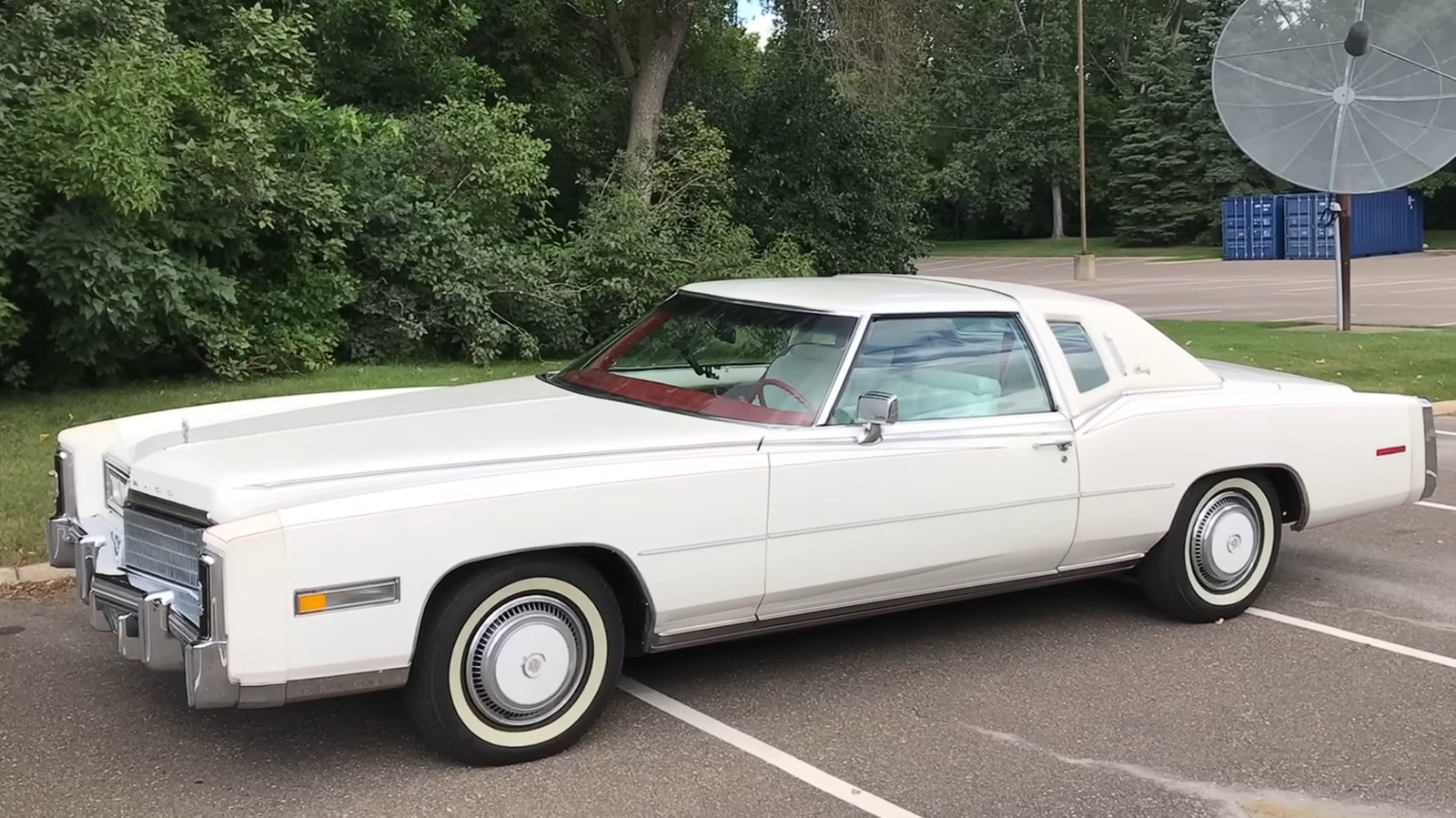
This piece explores how discontinued classic cars could have changed the look and feel of today’s automobiles, why many disappeared, and what their legacy means for design, engineering, and the hobbyist scene. It looks at how styling cues, unique platforms, and cultural cachet from those models might have steered mainstream cars in different directions. The article also touches on regulatory and economic reasons for their end and the ways modern technology—especially electrification—could resurrect or reimagine those ideas.
Discontinued classics left legible fingerprints on car culture, even if they vanished from dealer lots. Designers still borrow grill shapes, rooflines, and proportion ideas that first caught on decades ago, but when a lineage dies out the lessons can get diluted. Imagine a world where more of those distinctive silhouettes persisted; mainstream models might be bolder and less homogenized.
Many classic cars stood out because of daring proportions that challenged packaging norms. Long hoods, compact cabins, and bespoke details forced engineers to rethink space and weight distribution. Those constraints often produced cars with strong character, and without them today’s design language would probably be a lot flatter and safer—but less interesting.
Engineering ingenuity often bloomed in the niche models that were later discontinued, from unusual suspension setups to lightweight materials. When those cars left the market, the hands-on knowledge and platform experiments sometimes vanished with them. Mainstream engineering tends to favor modular platforms and economies of scale, which can smother small-batch innovation unless it’s captured and scaled up.
Economic reality and tightening regulations are major reasons many classics were shelved. Safety rules, emissions targets, and the cost of keeping a unique platform compliant pushed manufacturers to consolidate lineups. That pressure narrowed the field so only the most profitable or brand-signature models survived, trimming the diversity that once drove stylistic risk-taking.
Electrification changes the calculation in a surprising way, offering a path back for discontinued designs. EV platforms separate packaging from propulsion, which can free designers to reintroduce old proportions without the same mechanical trade-offs. A compact canopy or a long-hood look can be recreated on an electric skateboard platform, making the idea of reviving a classic more practical than it was a decade ago.
Low-volume builders and boutique brands are already testing the waters with reinterpretations of discontinued classics. They’re not just copying old forms; they blend nostalgic cues with modern tech and safety features to make usable, legal cars for today’s roads. That trend keeps the design language alive and sometimes nudges larger manufacturers to adopt retro-inspired elements at scale.
Collector and tuner communities play a huge role in keeping lost models relevant, too. Restorations and restomods translate older aesthetics into cars that meet modern demands, and those machines often become mobile showcases for what a broader revival could look like. Enthusiasts also preserve the cultural memory that encourages designers and executives to consider bringing specific traits back.
Regulatory barriers and consumer expectations still limit straightforward resurrecting of discontinued classics, because safety, crash testing, and emissions compliance are non-negotiable. But reinterpretation is a legitimate route: take the spirit, not the exact engineering, and build something that feels authentic while meeting modern standards. That approach has already produced some of the most compelling niche vehicles in recent years.
Ultimately, the gap left by discontinued classics is not just about aesthetics; it’s about variety in thinking. When makers and movers remember why those cars mattered—proportions, daring engineering choices, and a willingness to be different—they open room for fresh ideas. Designers and small manufacturers keep nudging the industry, so the influence of those vanished models can still shape tomorrow’s roads.
