
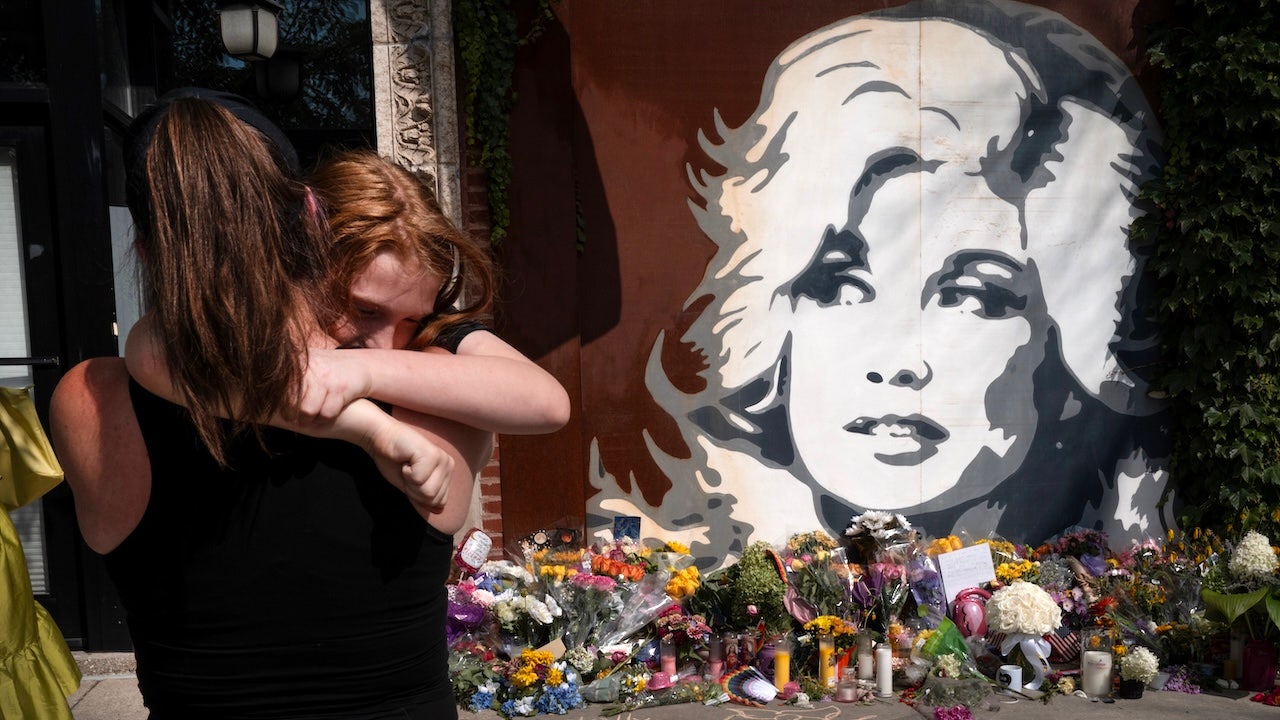
Dolly Parton’s death has landed with the kind of force that surprises people, even those who never met her. For millions of fans, the loss feels strangely intimate because her voice, stories, and public kindness were part of everyday life for so long. That reaction has a name in psychology, and it helps explain why grief can hit so hard when a beloved celebrity dies.
When someone grows up hearing a performer’s songs at family gatherings, on road trips, or during important milestones, that figure can start to feel familiar in a deep, emotional way. Experts say the bond does not have to be personal to be real. The mind can build a powerful sense of connection through repeated exposure, shared memories, and the comfort a public figure brings over time.
That is where parasocial grief comes in. Licensed clinical psychologist Dr. Dara Houp describes it as the pain that can follow the loss of a celebrity who has become woven into a person’s routines and emotional life. The feeling may be intense because the brain often processes that attachment through the same pathways used for real friendships.
Parton’s appeal went far beyond hit records. She was a singer, songwriter, actress, and philanthropist whose public image stayed warm, funny, and grounded while her career stretched across decades. That kind of long-running presence makes the loss feel bigger than the death of one famous person, because it can also feel like the end of an era tied to childhood, family, and major life moments.
For a lot of fans, the grief is not only about the artist herself but also about what she represented. Her work often showed resilience, grit, and a kind of bright-hearted generosity that people came to trust. When a public figure becomes linked to comfort, hope, or survival through difficult seasons, losing that figure can stir up old emotions all over again.
Psychotherapist Desiree Taranto points to another layer: collective grief. That is the shared emotional response that builds when a loss hits a wide circle of people at the same time. Social media has made that especially visible, with fans posting memories, lyrics, and emotional messages that show just how personal the loss feels.
Some of those reactions sound dramatic on the surface, but they are rooted in something very human. People often connect a celebrity to a parent, a sibling, a road trip, a first heartbreak, or a stretch of life when that artist’s songs offered comfort. When that person dies, the memory attached to the music can feel like it is being pulled away too.
Experts say that is why certain celebrity deaths cut deeper than others. A star who has been part of the soundtrack to someone’s life can feel less like a distant public figure and more like a familiar landmark. The grief may even feel delayed, arriving in waves as the reality settles in and the mind catches up to the news.
Fans have been describing that kind of ache in support groups and online conversations, and many admit the intensity caught them off guard. Some say they cannot explain why they are crying so much, while others describe a sadness that feels hard to shake. That honesty matters, because it reminds people that grief does not need a direct relationship to be meaningful.
Taranto says the healthiest response is usually the simplest one: let the feeling be there. There is no need to mock the reaction or compare it to someone else’s loss, because emotional pain does not follow neat rules. If a person’s work shaped a life in a real way, then mourning that person can be part of honoring what they gave.
Sharing memories can help too, especially when others are going through the same thing. Listening to the songs, watching old performances, or talking about what the artist meant can turn private sadness into something shared and steadier. In moments like this, the music, the stories, and the memories keep circulating, and that is often where the feeling lands next.
