
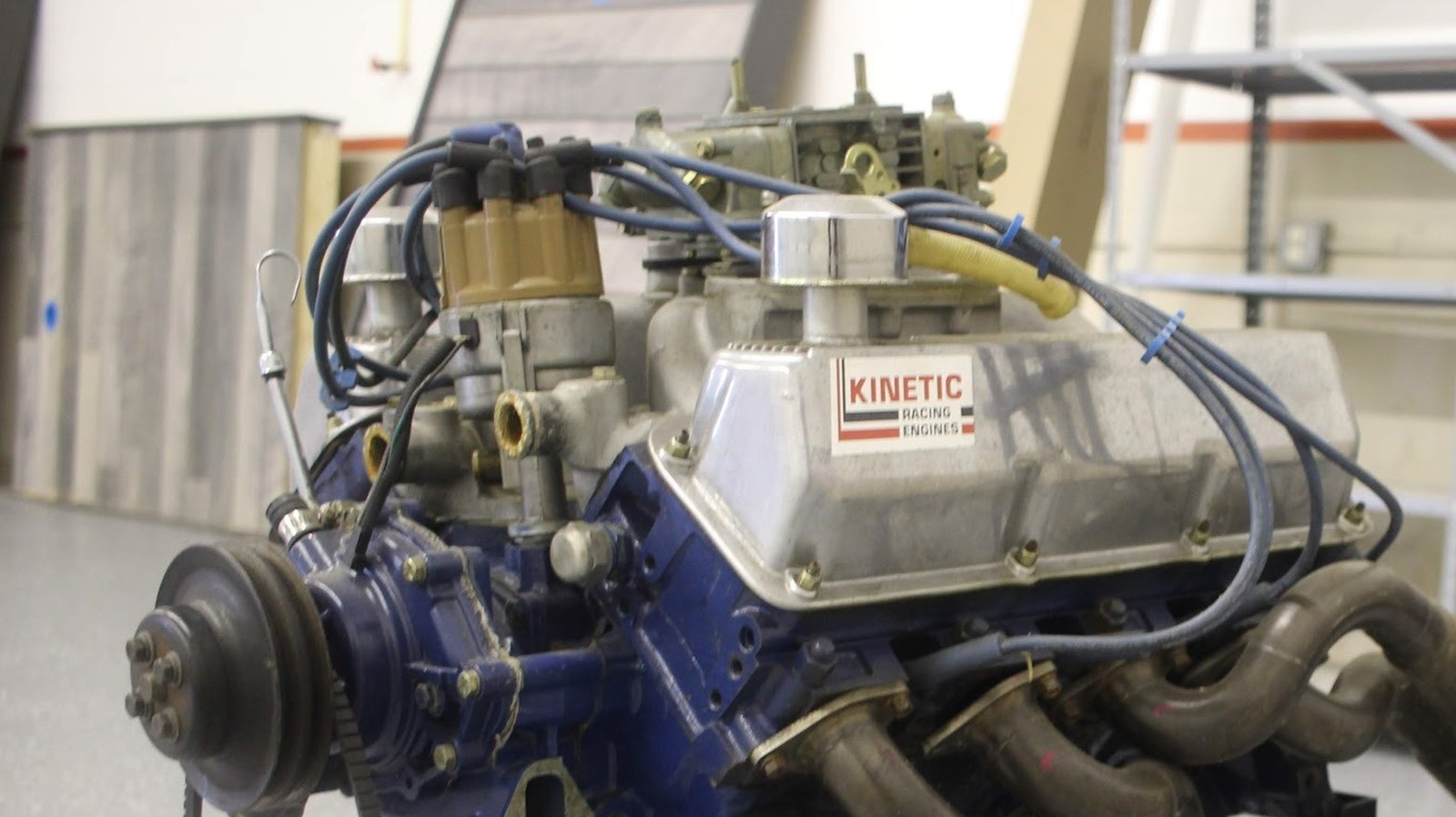
This short piece explains why traditional engine distributors were phased out in favor of coil packs: better reliability, cleaner emissions, tighter timing control, simpler maintenance, and improved performance at higher RPMs.
Back in the day, distributors were the heartbeat of gasoline engines, a mechanical hub that routed high-voltage pulses to each spark plug. They worked fine for decades, but they relied on rotating parts, a single high-voltage lead, and precise mechanical timing that drifted with wear. As cars became more complex and emission rules tightened, the shortcomings of distributors became hard to ignore.
Coil packs arrived as an electronic answer to a mechanical problem, replacing that one central high-voltage tower with multiple coils, each handling one or two cylinders. That split responsibility means a single coil failure only knocks out a cylinder or a pair, instead of silencing the entire engine. It also eliminates the distributor cap and rotor, two wear items that regularly needed inspection, cleaning, or replacement.
Electronics let automakers control ignition timing with far greater accuracy than a centrifugal or vacuum advance could offer. Engine control units can now adjust spark timing in real time using inputs from knock sensors, airflow meters, and oxygen sensors, squeezing more power and economy from the same displacement. That precision also helps reduce unburned fuel and harmful exhaust compounds, which made coil packs attractive when emission standards tightened.
Another big win is performance at high RPM. Mechanical distributors have limits: as engine speed climbs, the time available to channel and distribute the high-voltage pulse shrinks, and misfires become more likely. Individual coils—or coil-on-plug setups—can fire consistently at high revs because each coil is dedicated and timed electronically, keeping combustion steady even when the tachometer needle is flirting with the redline.
Maintenance is simpler with coils. No more inspecting carbon traces, swapping caps and rotors, or worrying about moisture creeping into a central module. Modern ignition systems can last tens of thousands of miles with little attention, which means fewer visits to the shop and lower long-term ownership costs. When a coil does fail, diagnostics are usually straightforward and component replacement is localized.
There are trade-offs, of course. Coil packs and electronic ignition systems depend on the vehicle’s electrical system and software, so failures can be less obvious and sometimes require a scan tool to diagnose. Cost per coil can be higher than a single distributor cap and rotor, and replacing multiple coils on an older car can add up. Still, the overall reliability gains and performance benefits generally outweigh the upfront expense.
Manufacturers also liked the packaging advantages. Removing the distributor opened up design flexibility under the hood, allowed for different accessory layouts, and simplified assembly lines. For tuners and performance shops, coil-on-plug systems made ignition tweaks more precise, which encouraged aftermarket support and accelerated the shift away from mechanical distributors.
Today, distributors are mostly museum pieces or found on a few legacy engines, while coil packs and coil-on-plug setups are the norm across modern gasoline cars. The switch was driven by a mix of practical gains—fewer moving parts, smarter timing, cleaner emissions, better high-rpm performance—and the broader shift toward electronic control that defines contemporary engine design. For anyone maintaining or restoring older cars, the differences are worth knowing, because the symptom sets and repair approaches for distributors versus coils are distinct and can point you to the right fix faster.
