
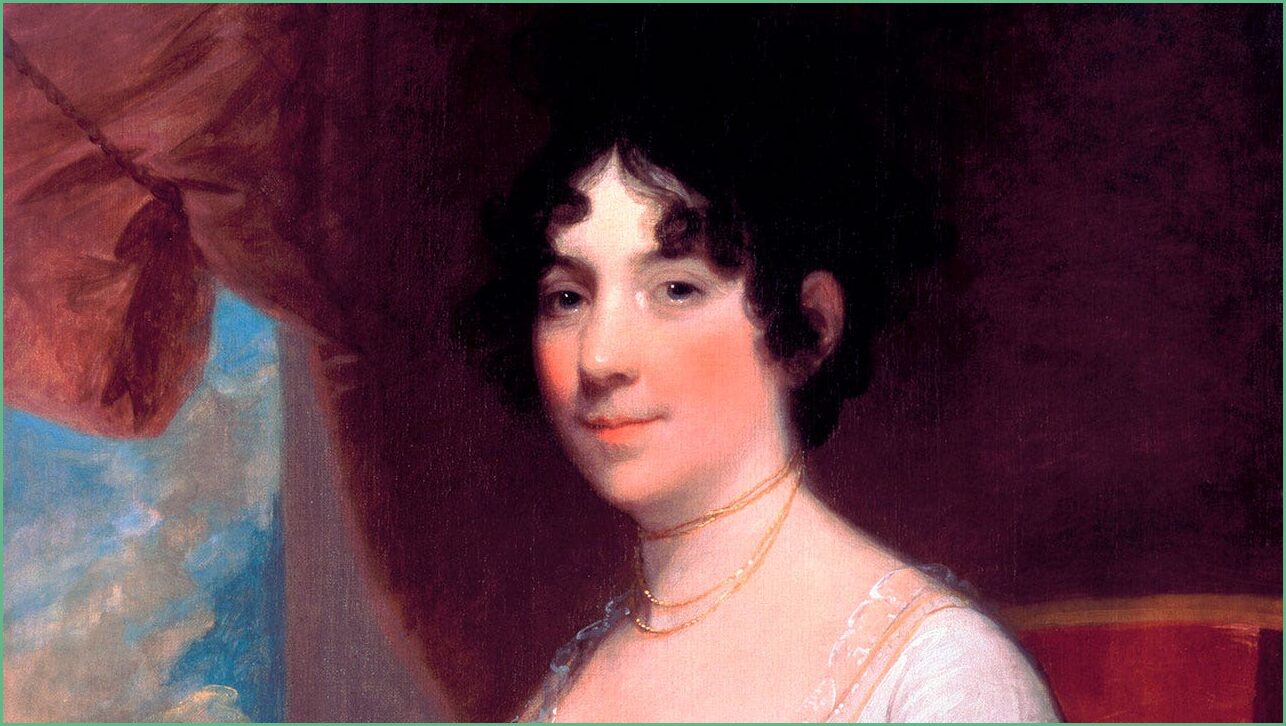
Dolley Madison set a standard for White House hosting that mixed charm with civic purpose, and her example helps explain why expanding the presidential ballroom makes sense today. This piece links her bold social diplomacy and practical rebuilding after 1814 to why a larger space can serve unity, logistics, and public engagement in the modern era.
Dolley Madison was more than a socialite; she engineered a political space where civility was enforced by good manners and the presence of women. Her packed gatherings earned the nickname “Let’s have a squeeze,” because the rooms were full and the conversation lively. That atmosphere tamed the rougher instincts of men who might otherwise have acted out in public. It was smart politics dressed as hospitality.
The early republic had a dangerous side. Duels were a real threat to leaders and lawmakers, and the killing of Alexander Hamilton by Aaron Burr shocked a nation. Dolley responded by shaping events so that enemies met under social rules that discouraged violence. Her savvy shows how culture and customs can protect democracy better than laws alone.
MELANIA TRUMP ‘PEACE LETTER’ TO PUTIN HAILED BY USHA VANCE, WHO CALLS HER A ‘TRAILBLAZER’
Dolley’s open houses let presidents listen and learn without the formal theater of committees and corridors. Bringing senators, representatives, journalists, and private citizens together created informal channels to find common ground. Those nights also introduced Americans to artists and heroes like Washington Irving and General William Henry Harrison, making the White House a cultural hub. There is real value when the people’s house feels accessible.
TRUMP ADMIN ACCUSES HILLARY CLINTON OF STEALING WHITE HOUSE FURNITURE AS FORMER FIRST LADY SLAMS BALLROOM PLAN
The name White House itself was once a jab in newspapers until a reporter praised Dolley’s gatherings and turned the label into pride, noting “White House, for so it is called here.” That turnaround mattered; symbols shape how citizens see institutions. Restoring and updating the people’s house is not vanity, it’s about sustaining a symbol that represents national resilience.
Space matters. Early 19th-century Washington hosted far fewer lawmakers than today: 34 senators then versus 100 now, and a much smaller House. Big events that once fit comfortably now crowd the East Room and spill over into logistics headaches. A modern ballroom is a practical response to a larger government and a busier public calendar.
VANCE CALLS PSAKI COMMENTS ABOUT WIFE USHA ‘DISGRACEFUL’
The White House has been rebuilt before after it was burned in 1814, and Dolley was central to saving the painting of George Washington that still hangs in the East Room. That episode shows Americans can repair, improve, and preserve civic spaces, then move forward. If rebuilding once meant renewed pride, expanding today can do the same on a different scale.
Dolley also turned public service into a role for first ladies by starting an orphanage that evolved into a lasting charitable institution. Caring for children and families became a public priority she championed, and that focus echoes in modern efforts by first ladies and their initiatives. Prioritizing the next generation is timeless politics dressed in compassion.
Critics shriek about a ballroom as if change to a public building were scandalous rather than sensible. From a Republican viewpoint, this project is about stewardship, tradition, and utility, not elitism. The right response to noisy objections is pragmatic: build what the nation needs and keep the house open to the people.
Dolley would likely appreciate the practical side of updating a stage for civic life and, true to form, would insist on the music and punch. She understood that politics works best when people meet, talk, and share a moment of civility. “Pass the punch and fire up the Marine Band.”
