
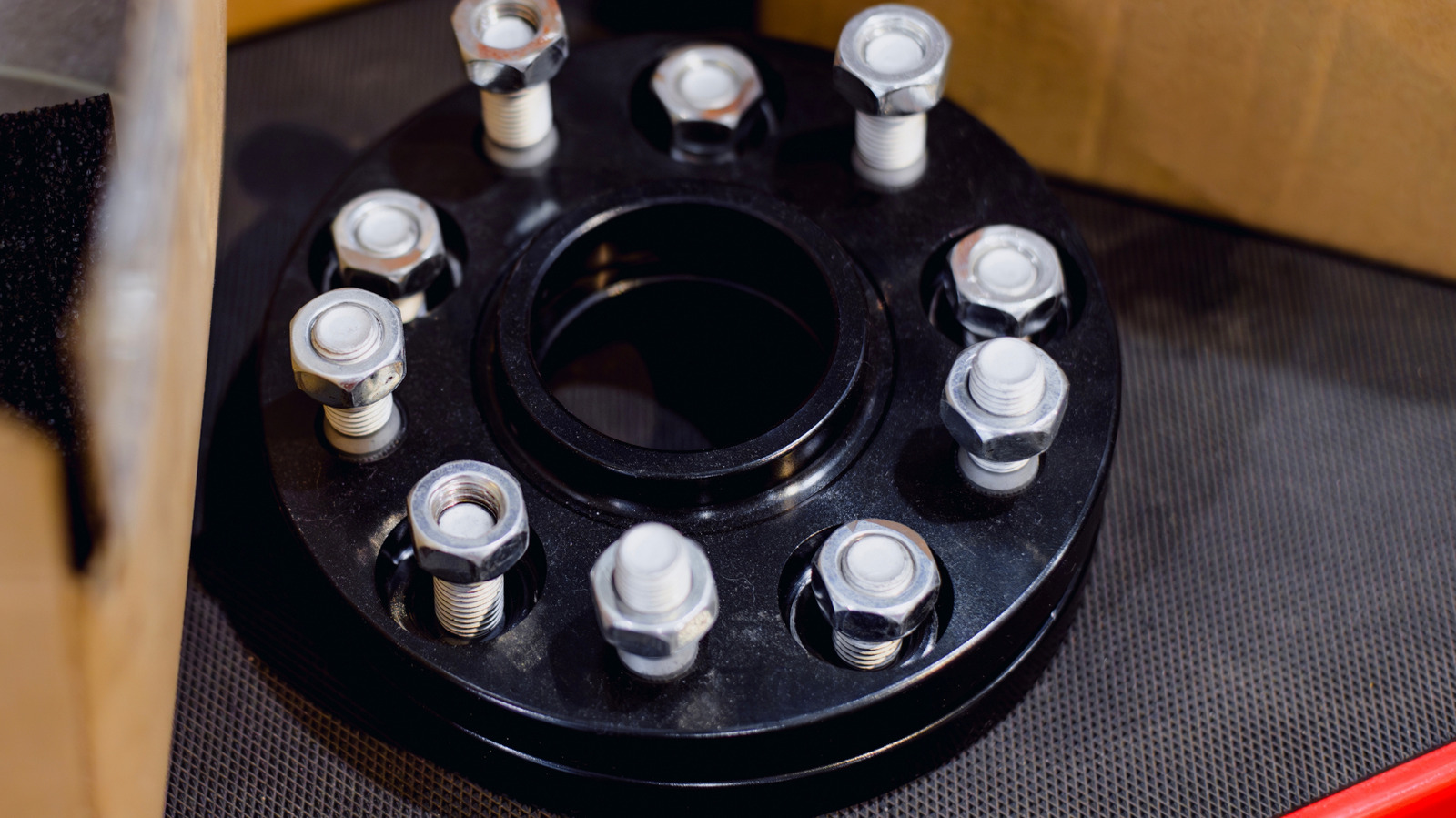
- Wheel adapters and how they expand wheel fitment options
- Why bolt pattern and center bore matter
- Safety concerns tied to stress, handling, and installation
- The difference between wheel adapters and wheel spacers
- How quality, fit, and maintenance affect long-term use
Wheel fitment can get tricky fast, and that is where wheel adapters enter the picture. They make it possible to mount wheels that would normally not match the vehicle’s bolt pattern, opening the door to more styling choices and more flexibility. But that convenience comes with a catch, because anything sitting between the hub and the wheel needs to be chosen carefully.
At the core, a wheel adapter is a bridging piece that changes the bolt pattern so a different set of wheels can be used. That matters for drivers who want a specific look or need to work around limited factory options. It can also help when a favorite wheel design simply was not made for a particular vehicle.
Even so, fitment is not just about matching the bolts and calling it done. Center bore, thickness, and overall compatibility all matter, and ignoring any one of them can lead to a bad setup. The wrong choice can throw off the way the wheel sits, which is the kind of problem that tends to grow louder over time.
Safety is where the conversation gets serious. Because wheel adapters add another layer between the wheel and the hub, they can increase stress on bearings and nearby suspension parts. That extra leverage can also alter how the vehicle behaves on the road, and a car that feels a little off during normal driving can become a real headache in corners or under load.
The risks are not limited to rough handling alone. Potholes, vibration, and repeated impacts can work against an adapter that was poorly made or installed without care. If it shifts even slightly, the result is not just an annoying noise or wobble, but a setup that can quickly become unsafe.
That is why quality matters so much. Cheap adapters are a gamble, while well-made ones are far more likely to hold up when they are paired with the right wheels and installed properly. Regular checks are smart too, because even a solid part can loosen over time if the vehicle sees rough roads or hard use.
Wheel adapters are often confused with wheel spacers, but they serve different purposes. A spacer does not change the bolt pattern, and instead pushes the wheel outward to widen the vehicle’s track. That extra width can improve stability and create room for larger tires, which is why spacers show up often in off-road builds.
Spacers, like adapters, still demand respect. They need to match the vehicle’s bolt pattern, they need careful installation, and they need quality construction if they are going to be part of a dependable setup. The idea is simple enough, but the details are what separate a clean upgrade from a frustrating one.
For owners chasing a better look or a more specific fit, wheel adapters can be a useful solution when handled the right way. They expand options without requiring a complete change in vehicle setup, which is exactly why they remain popular among customizers. Still, the best results come from patience, the right parts, and an honest look at what the vehicle can safely support.
When wheels, adapters, and spacers are treated as a system rather than separate pieces, the whole setup makes more sense. The hardware has to work together, and the car has to keep its balance once everything is bolted down. That is where careful choices pay off, especially when the road turns rough and the miles start stacking up.
