
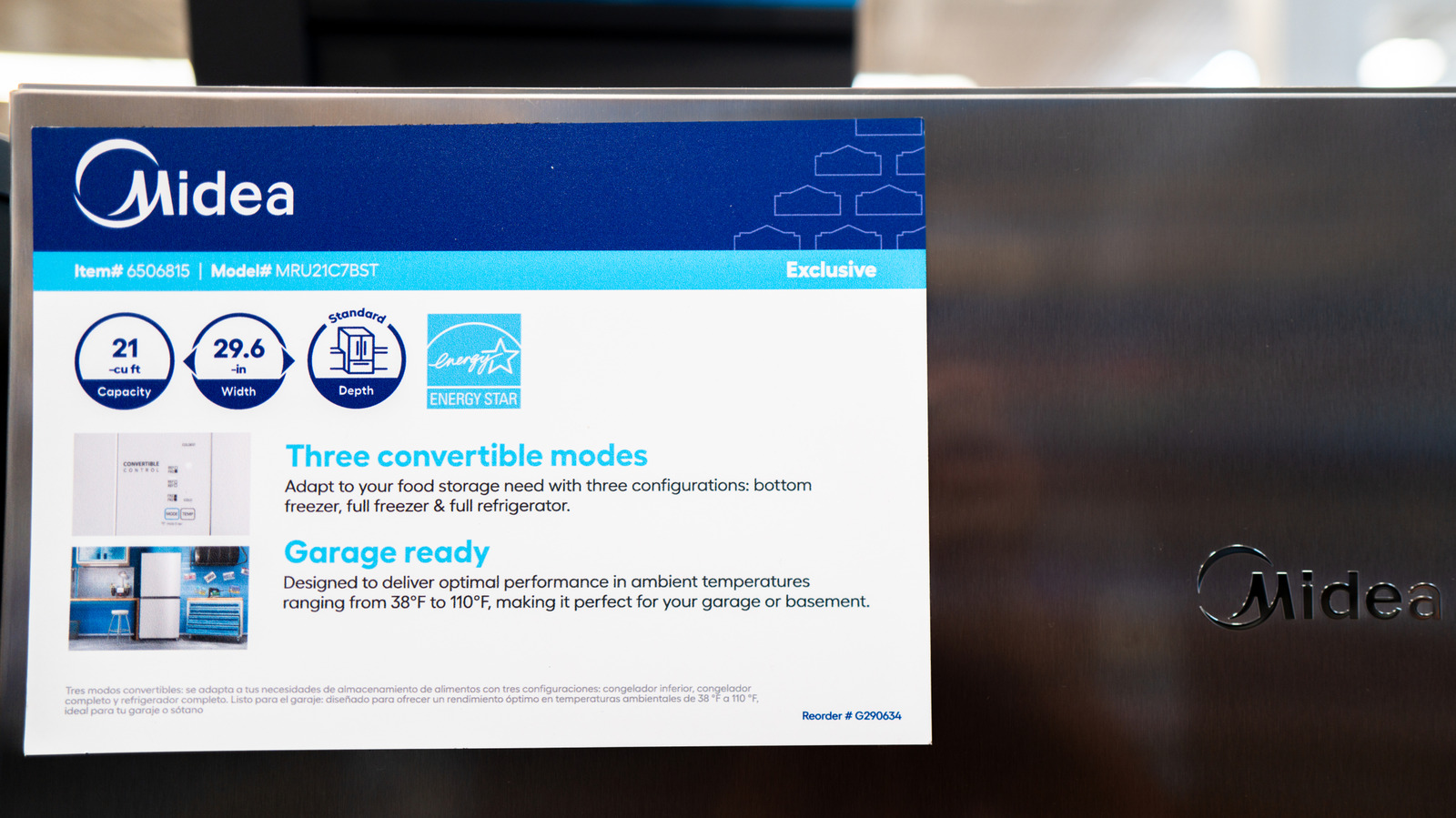
The blue Energy Star label on a refrigerator is more than a sticker. It signals that the appliance clears the government’s efficiency bar and is built to sip power instead of guzzle it. For shoppers trying to make sense of a crowded showroom, that little mark can separate a smart buy from a costly one.
At its core, Energy Star is a certification from the U.S. Environmental Protection Agency. A refrigerator with that label has been judged to perform better on energy use than standard models, meaning it delivers the same basic job while wasting less electricity. That matters because fridges run all day, every day, and small improvements can turn into real savings over time.
The key benchmark is simple: an Energy Star refrigerator is typically about 9% more efficient than a comparable non-certified model. That difference does not come from cutting corners or dialing back cooling performance. It comes from better engineering, like high-efficiency compressors, improved insulation, and smarter temperature control.
That mix of technology is what makes the label useful. Consumers are not just paying for a brand name or a shiny finish, but for a machine designed to do more with less energy. In a category where even modest efficiency gains matter, that can add up quickly.
The money side is where the label starts to feel personal. Energy Star says swapping an older refrigerator for a new certified model can save around $150 in operating costs over the average 12-year life of the appliance. Some estimates go even further, with a side-by-side model potentially trimming about $340 over a decade.
Those numbers will vary depending on the model, household habits, and local electricity rates. A family that opens the fridge constantly or keeps a second refrigerator in the garage may see bigger costs than a smaller household with a newer unit. Still, the direction is clear: more efficient fridges usually mean lower bills.
It also helps to know what the Energy Star label is not. It is not the same thing as the yellow Energy Guide label often seen on appliances. The yellow label, required by the Federal Trade Commission, estimates yearly energy use and operating cost, while the blue Energy Star mark shows that the product meets the EPA’s tougher efficiency standards.
That distinction can prevent a lot of confusion at the store. A refrigerator may carry both labels, but each one answers a different question. One tells you how much energy the appliance is expected to use, and the other tells you whether it qualifies as especially efficient.
The practical takeaway is pretty straightforward. If a refrigerator has the Energy Star label, it has already cleared a meaningful hurdle for efficiency without giving up the cooling power people expect. For anyone replacing an old fridge, that blue mark is a useful shortcut for spotting models that should be easier on both the electric bill and long-term operating costs.
